What It’s Really Like to Witness the Great Migration
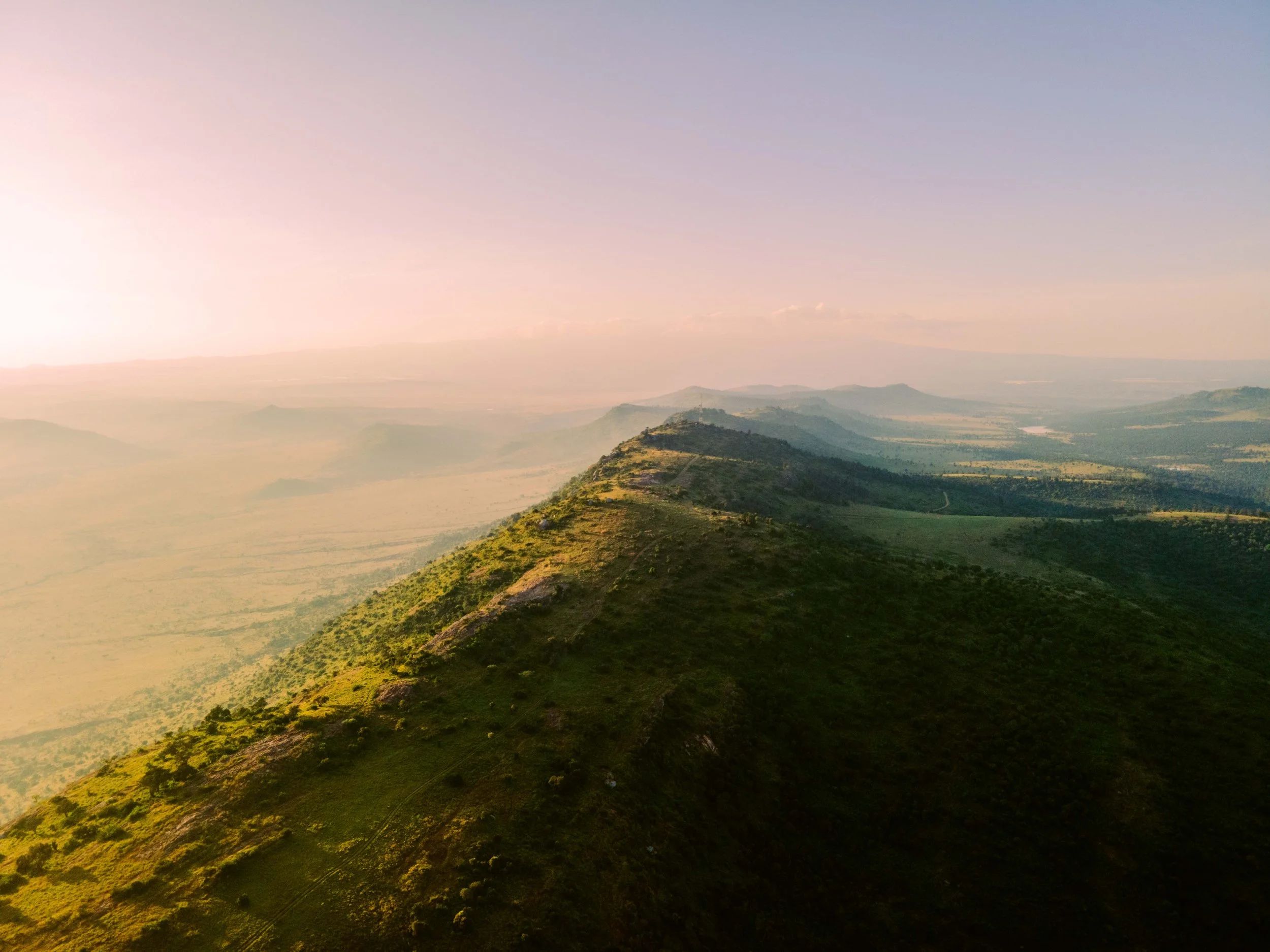
Before sunrise, the camp is still.
Then, before you hear anything, you feel it. A low tremor through the ground – barely perceptible at first, like something shifting deep beneath the earth. You sit up in the tent. Outside, the air smells of dust and dry grass and something wilder underneath. The sky is turning from black to the deep blue that exists only in those minutes before dawn.
And then you hear them.
A low, continuous rumble – part thunder, part breath – building from somewhere you can’t yet see. Your guide is already waiting by the vehicle. He doesn’t say much. He doesn’t need to. He’s heard this sound many times, and he knows what it means.
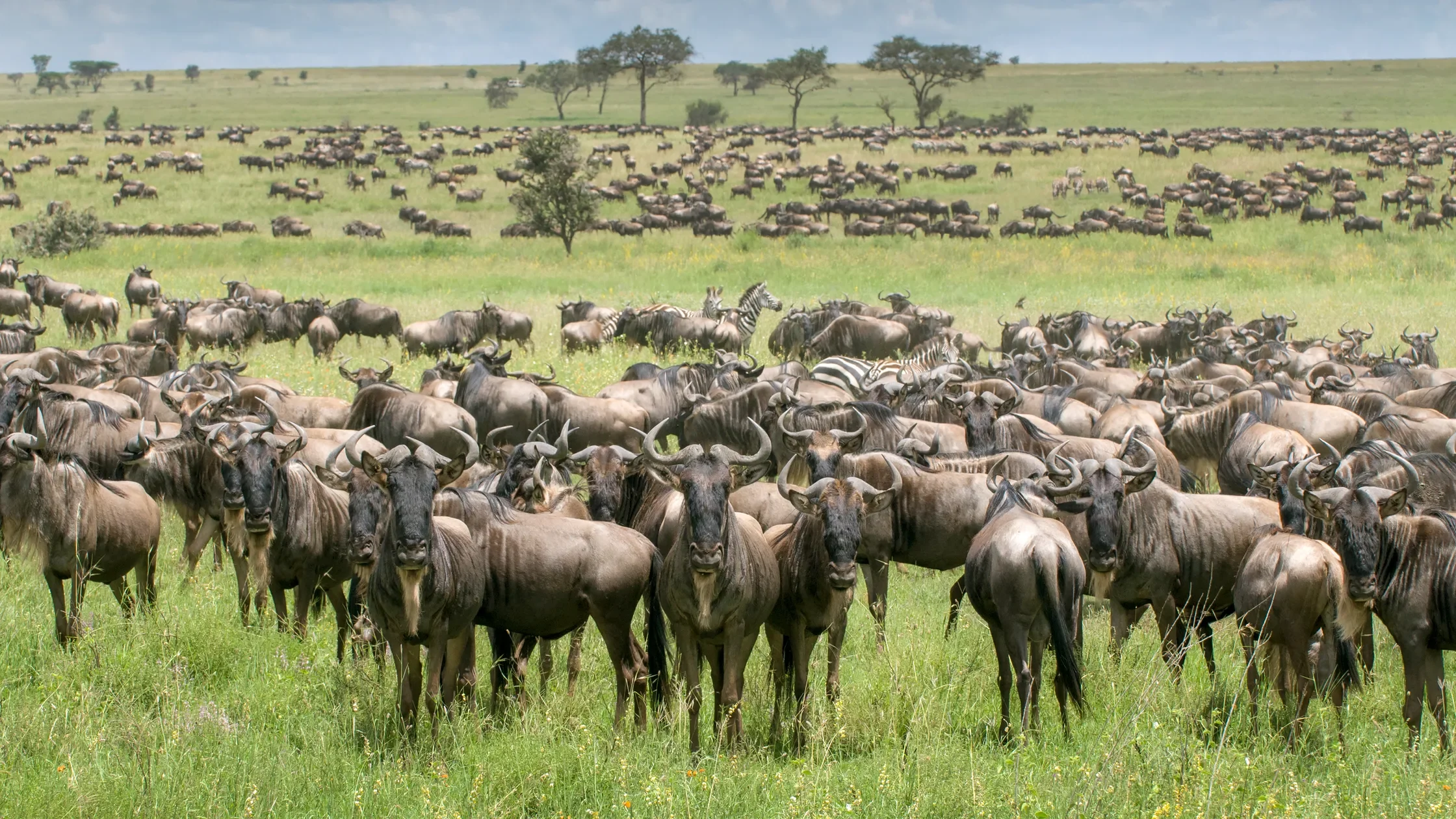
Two million wildebeest are on the move.
The river crossing is something else entirely.
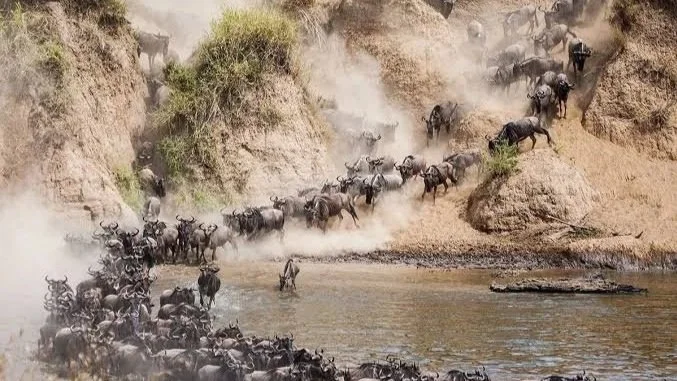
You can wait at the Mara River for hours. The herds gather on the bank. They push forward, then pull back. They seem to sense what’s coming – the crocodiles lying motionless in the shallows, the current, the chaos of bodies. There is a tension at the riverbank that you feel in your chest. A held breath, shared between thousands of animals and the small group of humans watching quietly from the bank.
And then one wildebeest steps forward. One brave, or desperate, or simply pushed-forward animal commits — and in a moment the entire herd follows, plunging into the water in a surge of noise and dust and movement that is almost impossible to process. The crocodiles explode into motion. The far bank becomes a scramble of wet flanks and wild eyes and the thundering of hooves on mud.
It lasts minutes. Sometimes less. And then it’s over, and the survivors are climbing the far bank, shaking themselves off, already moving again — as if what just happened was simply the next thing, in a life built entirely of next things.
You don’t speak for a while after.
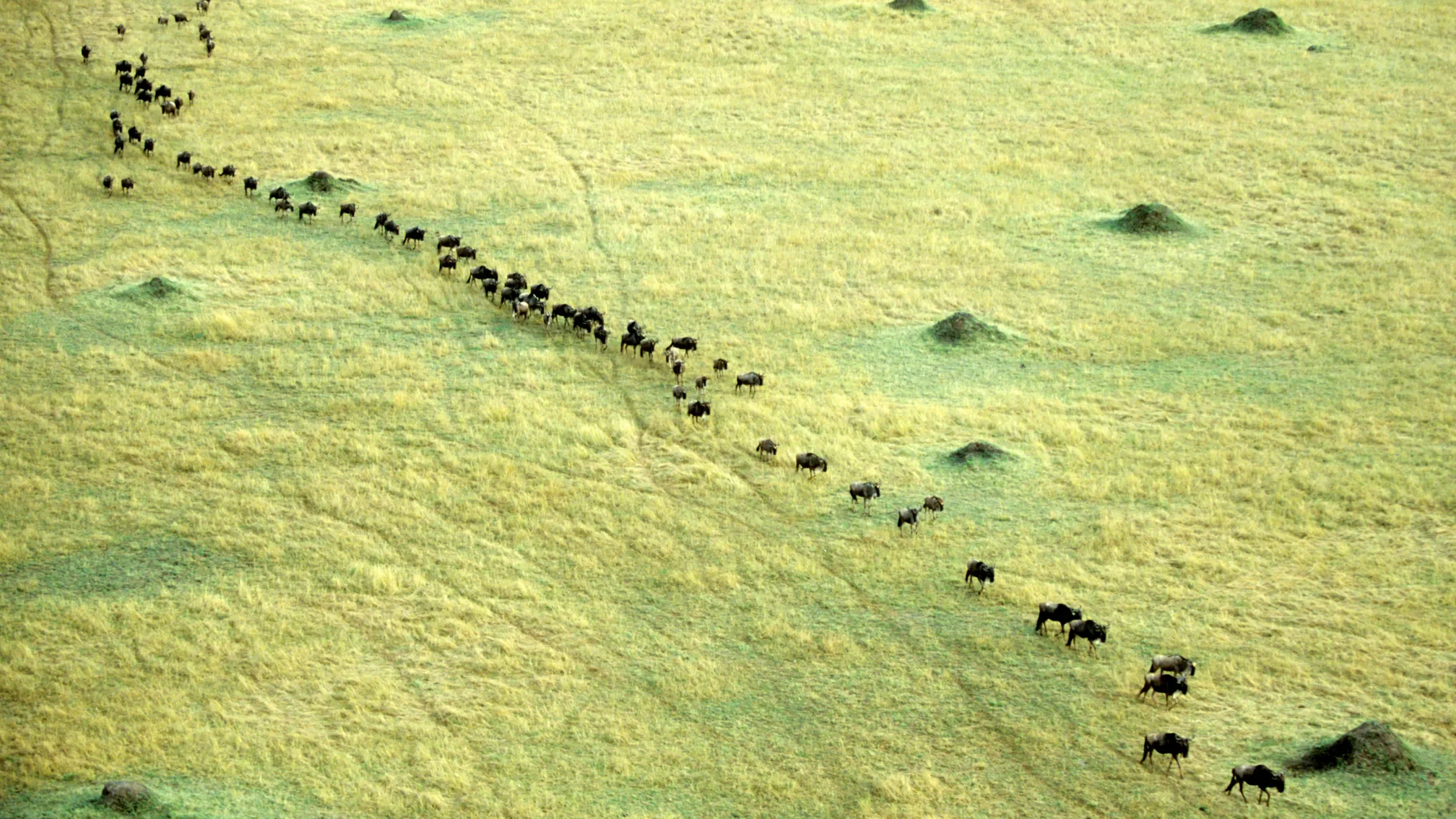
The Maasai Mara extraordinary ecosystem
Named in honour of the Maasai people who have called this land home for centuries, it hosts the highest concentration of predators anywhere in Africa — lion, leopard, cheetah, hyena — alongside elephant, buffalo, and over 590 species of birds. The Mara River bisects the reserve, home to enormous pods of hippopotamus and Nile crocodiles that have lived in these waters for decades.
But within the Mara, where you position yourself makes the difference between witnessing the migration and being inside it.
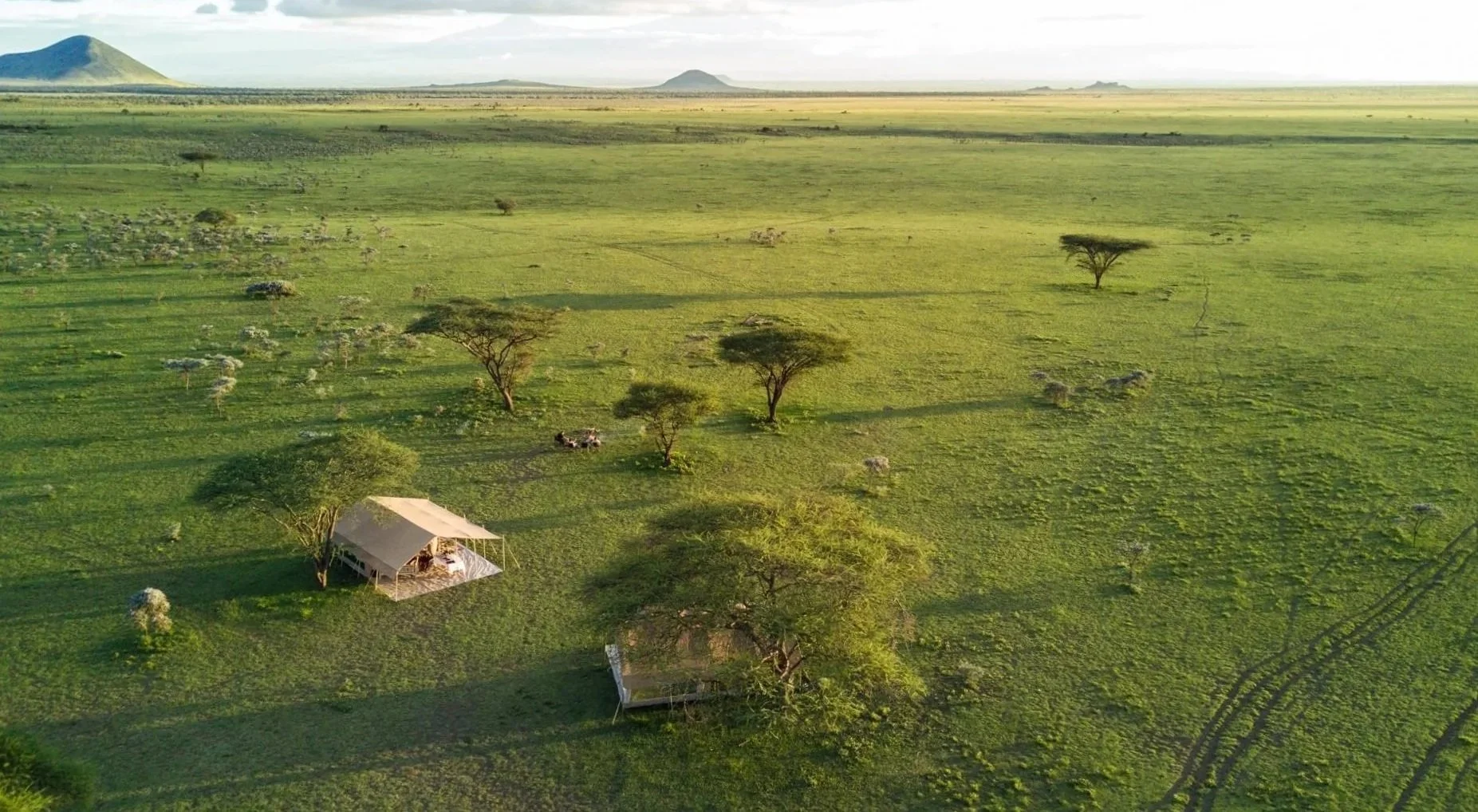
Our September camp sits along the Sand River, on the edge of the Mara-Serengeti ecosystem — a location we have chosen specifically for what happens here at this time of year. At certain points in September, the herds move directly past camp. You don’t chase the migration. You’re already in the path of it.
Mornings begin before first light. Evenings end around the fire, with the sounds of the bush settling around you, the distant call of a hyena, the stars unobstructed by anything.
This is what it is to sleep in the migration.
Nothing prepares you for the scale of it.
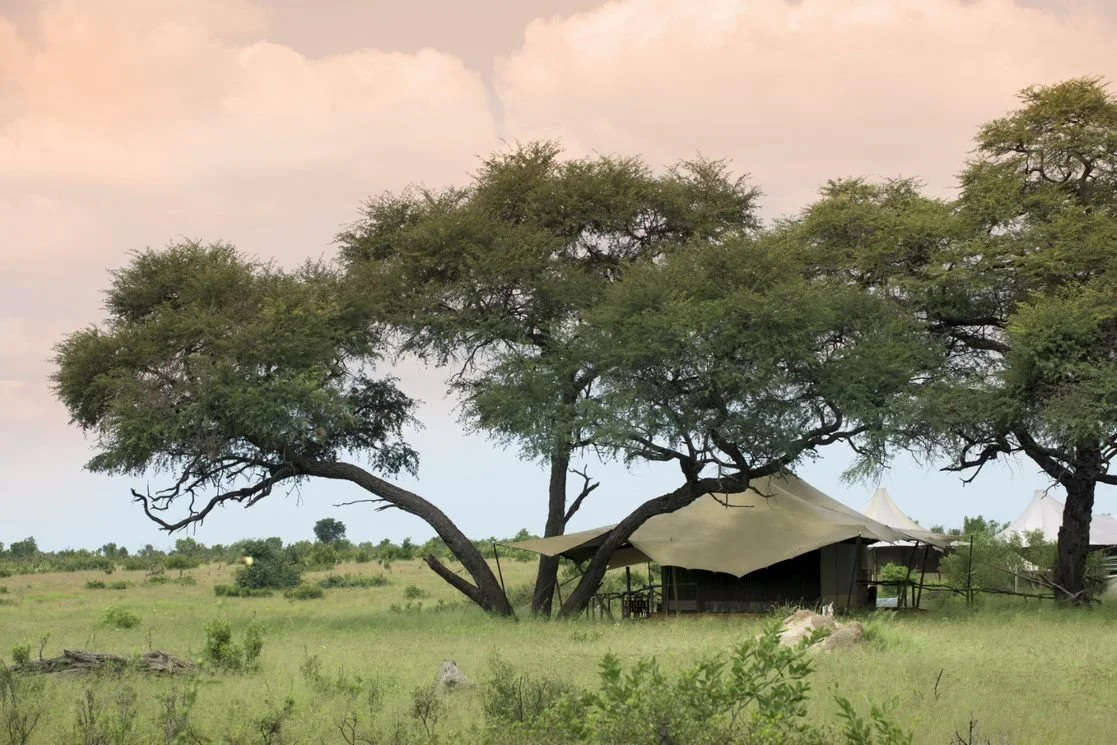
People ask what the Great Migration looks like. The honest answer is that it doesn’t look like anything you have a reference point for. It isn’t like a wildlife documentary, where the camera compresses everything into a frame. It’s the opposite of that – vast, uncontained, spilling over every horizon. A living river of animals stretching further than your eyes can follow, moving with an ancient, unhurried certainty across the Mara plains.
Between July and October, over two million wildebeest and zebra pour north from Tanzania’s Serengeti into Kenya’s Maasai Mara, following a pattern that has not changed in thousands of years. They cross grasslands, thread through acacia scrub, navigate the territories of lion and cheetah and hyena — and then they reach the Mara River.
And that is where everything changes.
What most people don’t realise about September
August brings the peak crowds – vehicles lining the river crossing points, the competition for position. September is different. The herds are still here, spread across the Mara plains in numbers that defy comprehension, but the crowds have thinned. The light in September has a particular quality — golden and soft, without the harsh midday glare of high summer. Predator activity is exceptional. Lions are hunting daily. Cheetah and their cubs move through the short grass in the mornings.
And the crossings are still happening.
“September is our favourite month in the Mara. The pressure has come off. You’re not surrounded by twenty other vehicles. You can actually sit with a crossing – feel what it is – without it becoming a spectacle.” – says Finlay, who has guided here for years.
This is the thing that the brochures don’t tell you. The Great Migration is not a performance. It is a biological event on a scale that makes you feel, very quietly, like a small and fortunate thing to be alive in the same moment as it.
If witnessing The Great Migration had been on your mind, September is the last window this season.
The herds begin their return south in October. Once they cross back into Tanzania, the Mara quiets – and the season closes.
We have one remaining spot for our Private Mara Expedition, departing September 10th.
Privately guided throughout, with exclusive camp access and private charter flights. Designed for six to ten guests.
Or get in touch directly: safaris@everwildafrica.com