
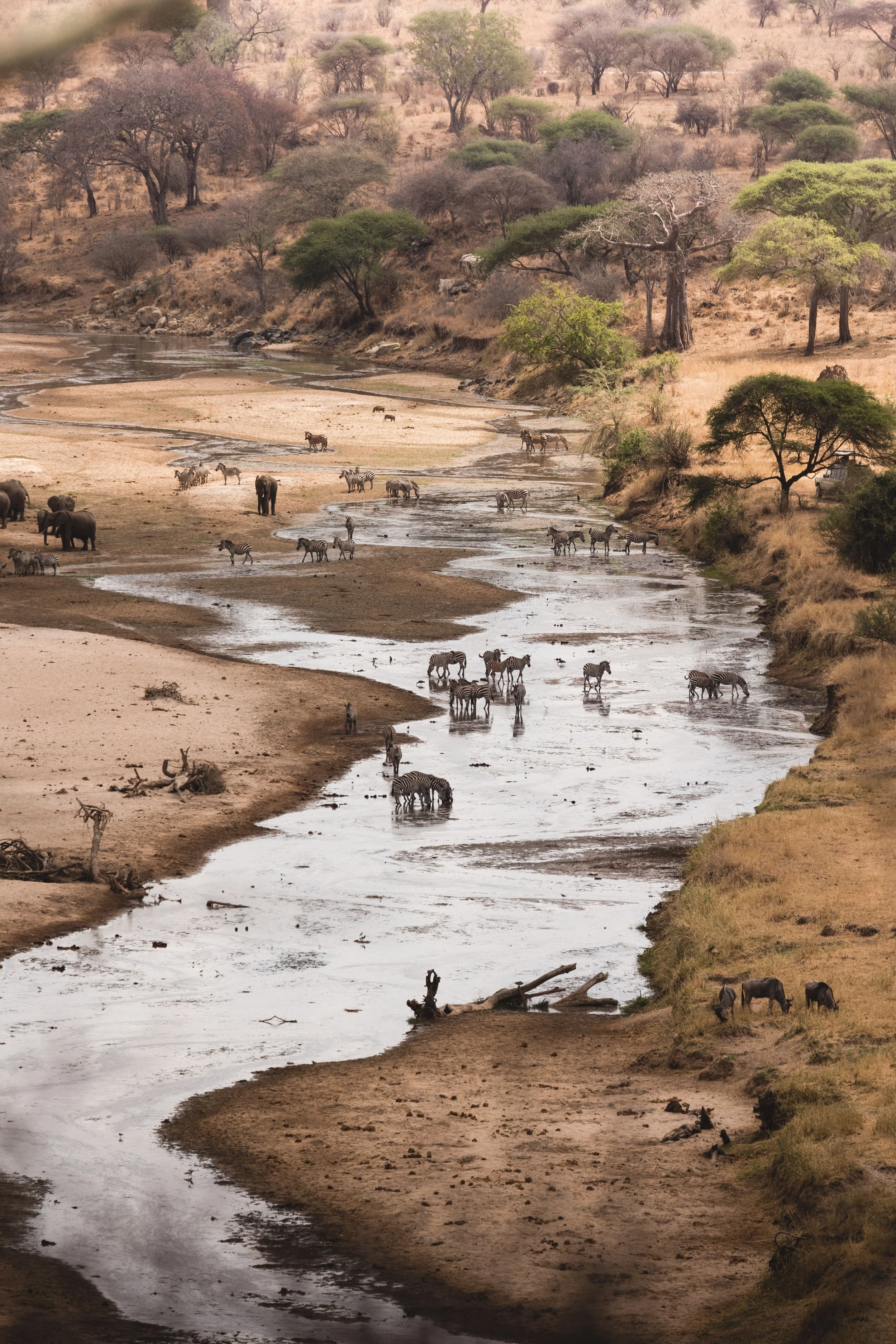
What It’s Really Like to Witness the Great Migration in Masai Mara
If you’ve been thinking of the Great Migration you probably have one image in mind: thousands of wildebeest plunging into the Mara River.
A crossing can be extraordinary. But it is only a few minutes of something much bigger.
You can wait for hours as the herds gather at the riverbank. They move forward, pull back and edge closer again. Sometimes one animal commits and thousands follow. Sometimes the entire herd turns around and disappears across the plains.
There is no timetable. Anyone promising exactly where and when you will see a crossing is making a promise they cannot keep.
For us, that uncertainty is part of what makes the migration so exciting.
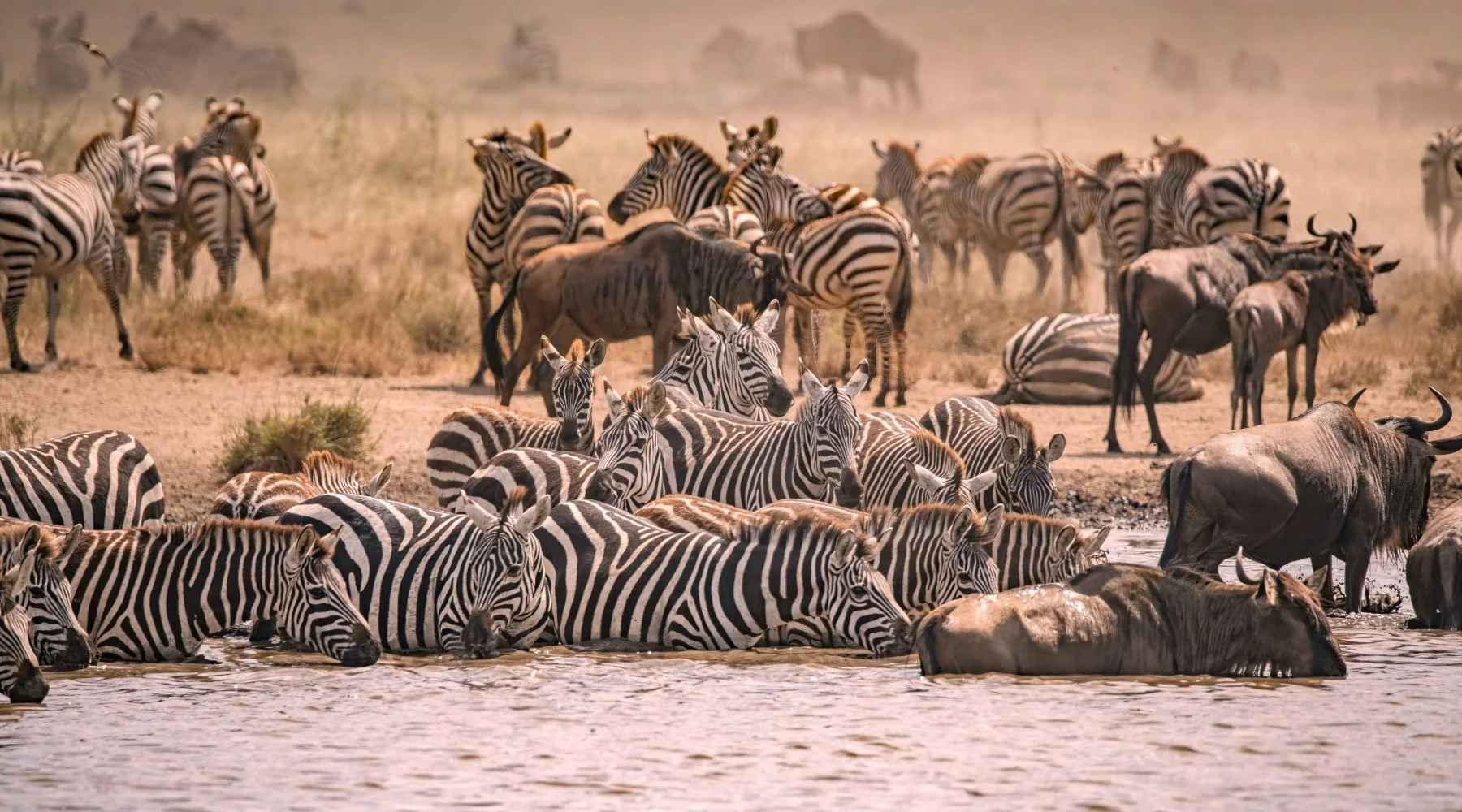


The Maasai Mara Great Migration Is More Than a River Crossing
The migration is bigger than just the river. The migration is happening across an entire ecosystem.
You can drive out early and find wildebeest spread across the plains as far as you can see. Lions watch from the shade. Hyenas move through the grass. Vultures circle overhead.
Then something you weren’t looking for changes the day entirely.
A cheetah watching from a termite mound. Elephants moving through the early morning. A leopard you had no idea was there until Finlay quietly points it out.
The longer you spend in the Mara, the less interested you become in ticking things off a list.


Why September Is One of the Best Months for a Masai Mara Safari
September is one of our favourite times to be in the Mara. The herds can still be moving through the ecosystem in huge numbers, but the migration never follows an exact calendar.
Rain, grass and water influence where the animals go.
This is where good guiding matters.
Tracks from the night before might change the morning entirely. Sometimes it is worth crossing the Mara for a reported sighting. Often, the better decision is to stay exactly where you are.
Finlay has spent years learning when to wait, when to move and, importantly, when to ignore the radio.


For the first three nights of our September safari, our group will stay at a private seasonal camp on the Sand River


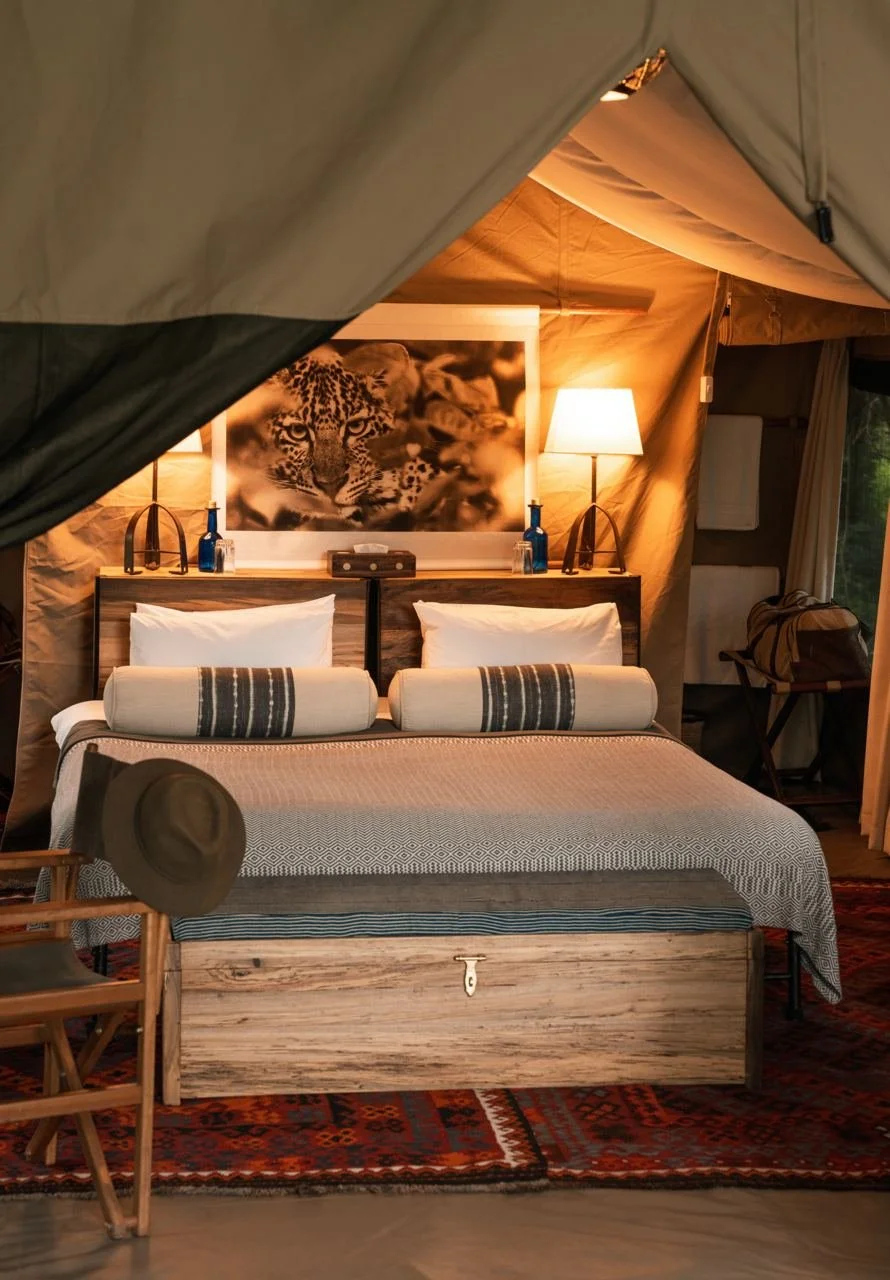


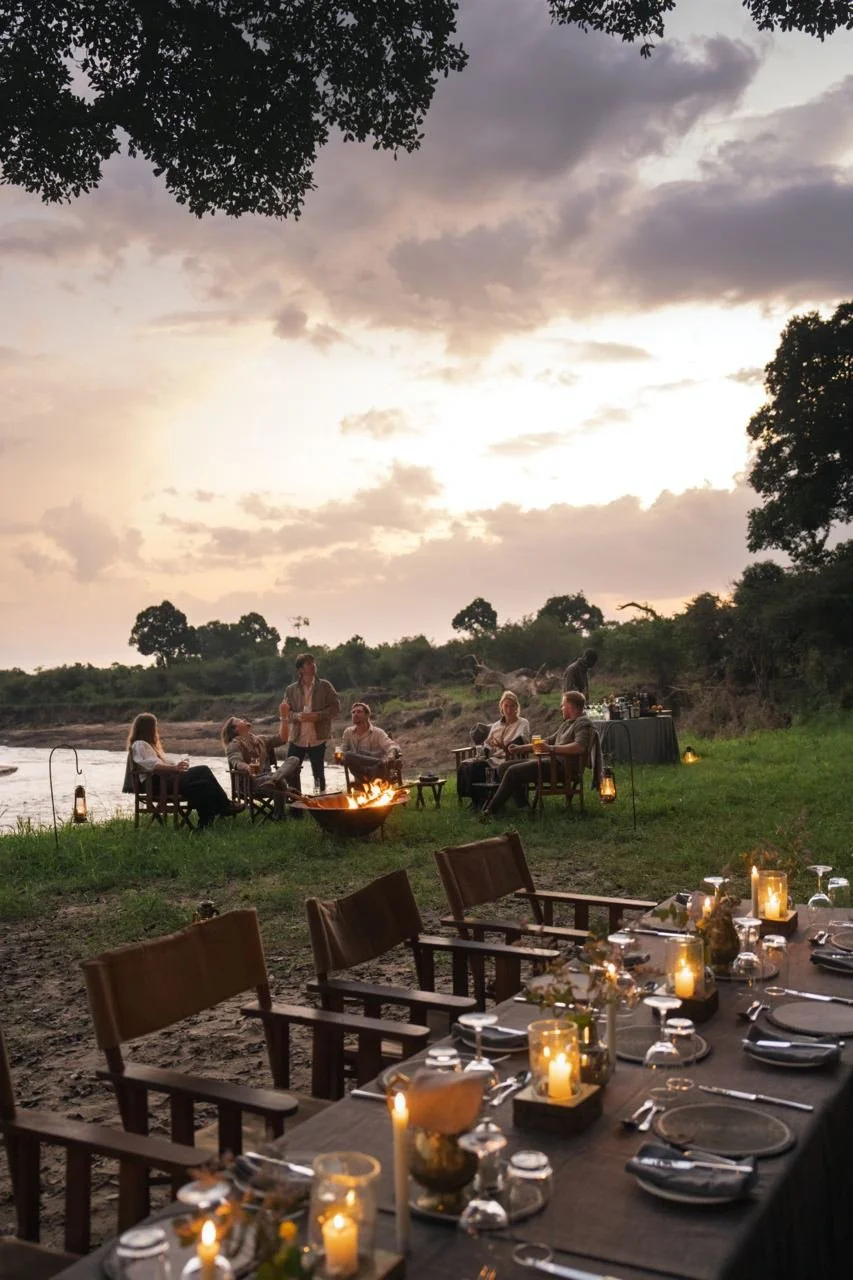

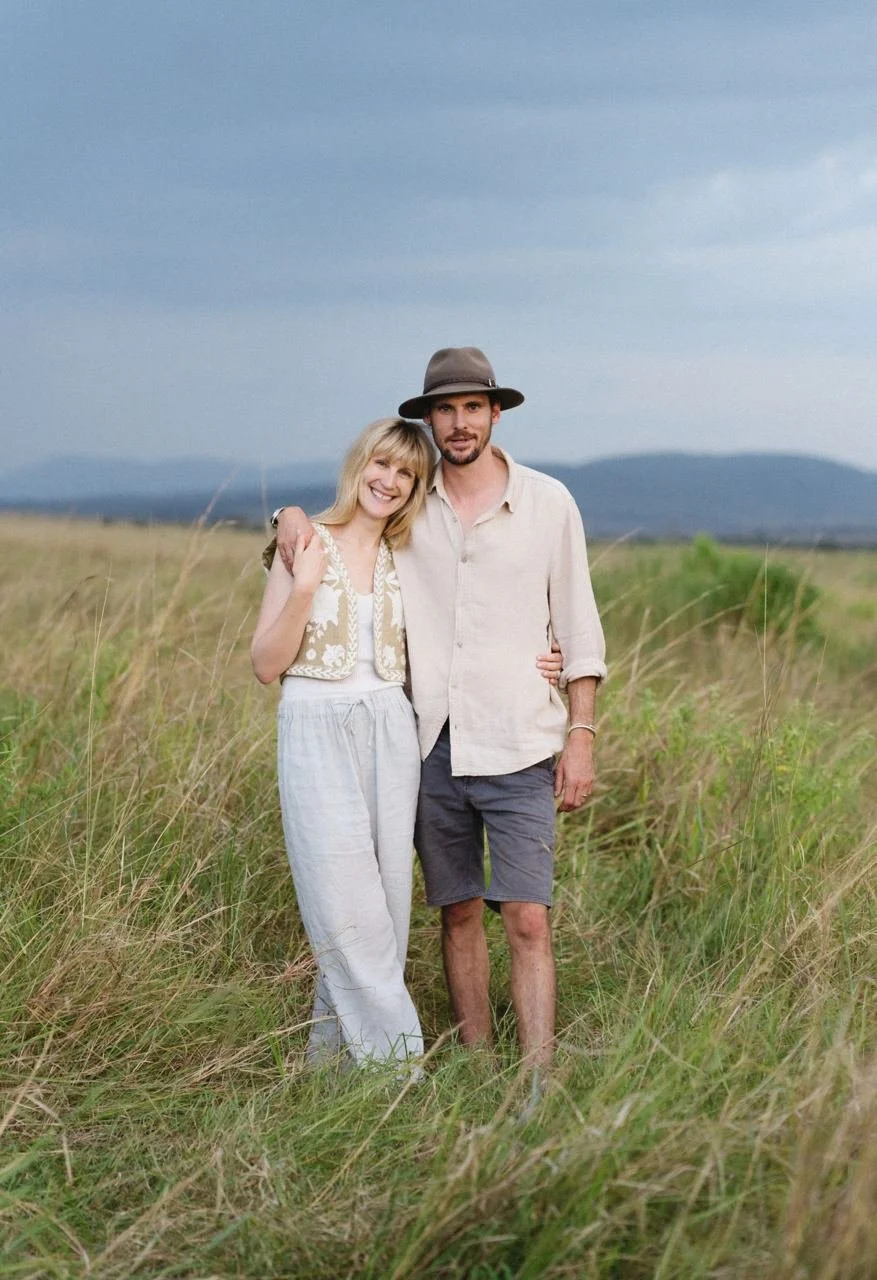


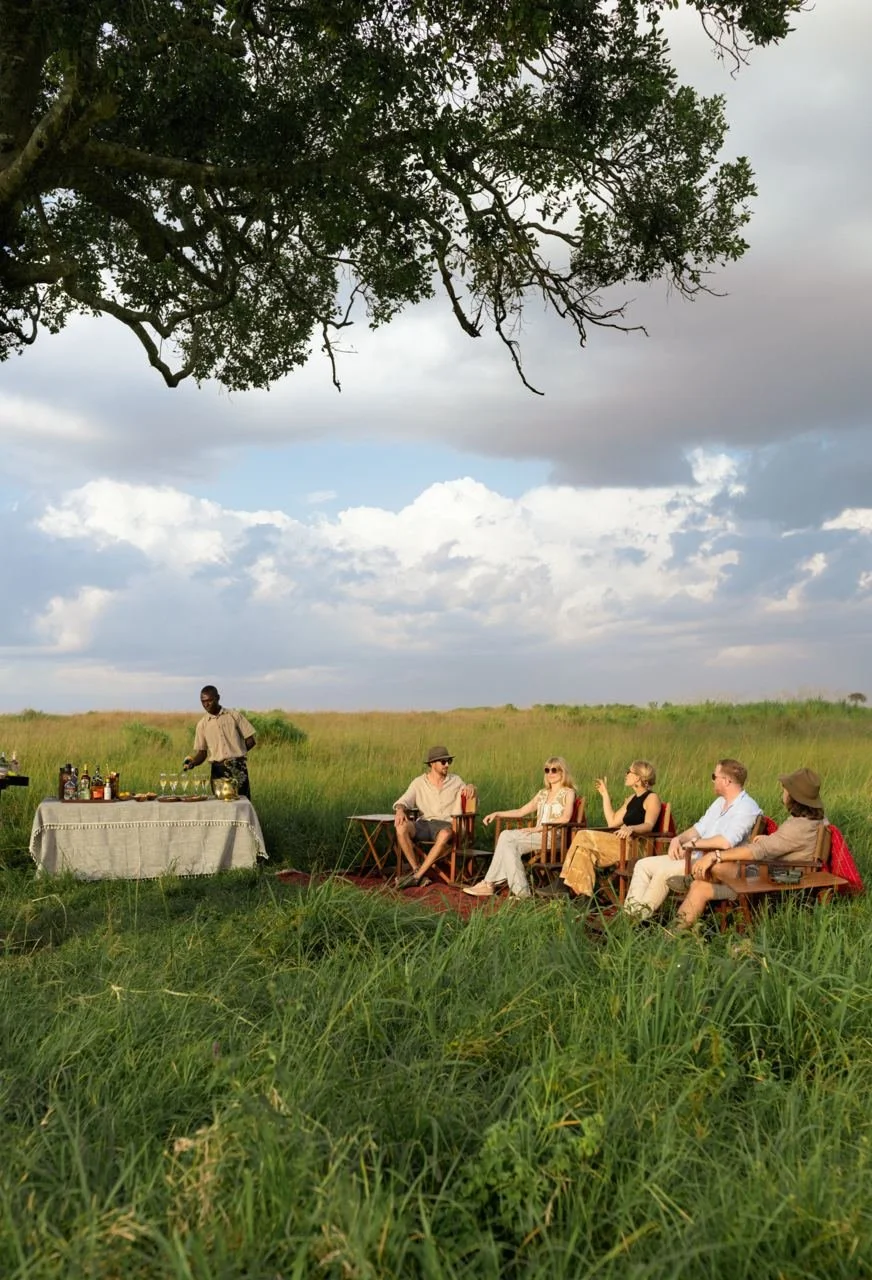


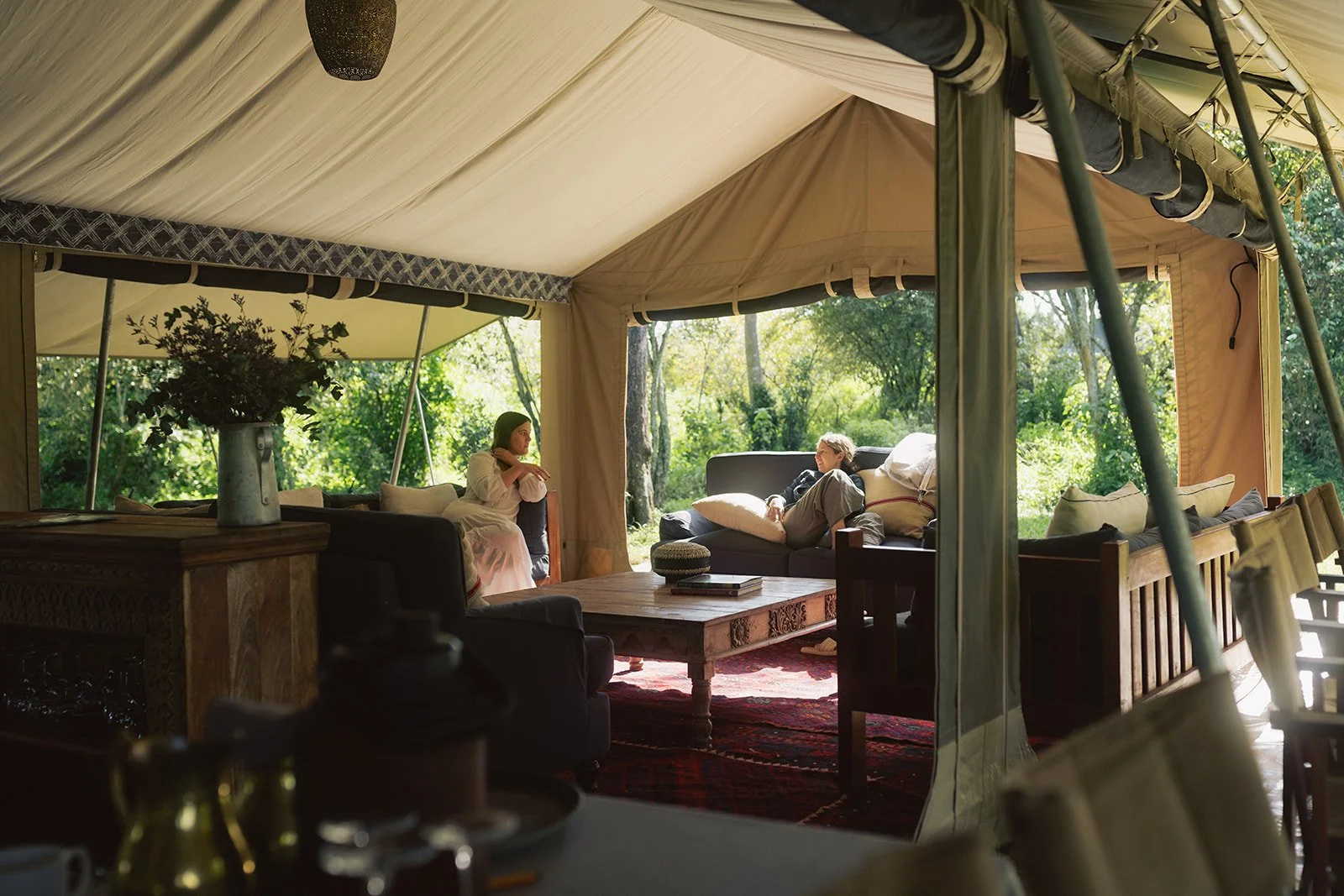
In January–March 2027 during Kenya’s Golden Season we’ll host private expedition for a group of up to 12 guests.
The beginning of the year is a favourite time of ours to travel – the Golden Season. Fewer crowds, best weather and rich wildlife.
We take on a limited number of private safaris each year, allowing us to give every journey our full attention.
Trips like this rarely happen because everyone’s diary suddenly clears. Usually, one person decides to start the conversation.
Perhaps that person is you.