
Private Guiding: The Things You Might Otherwise Miss
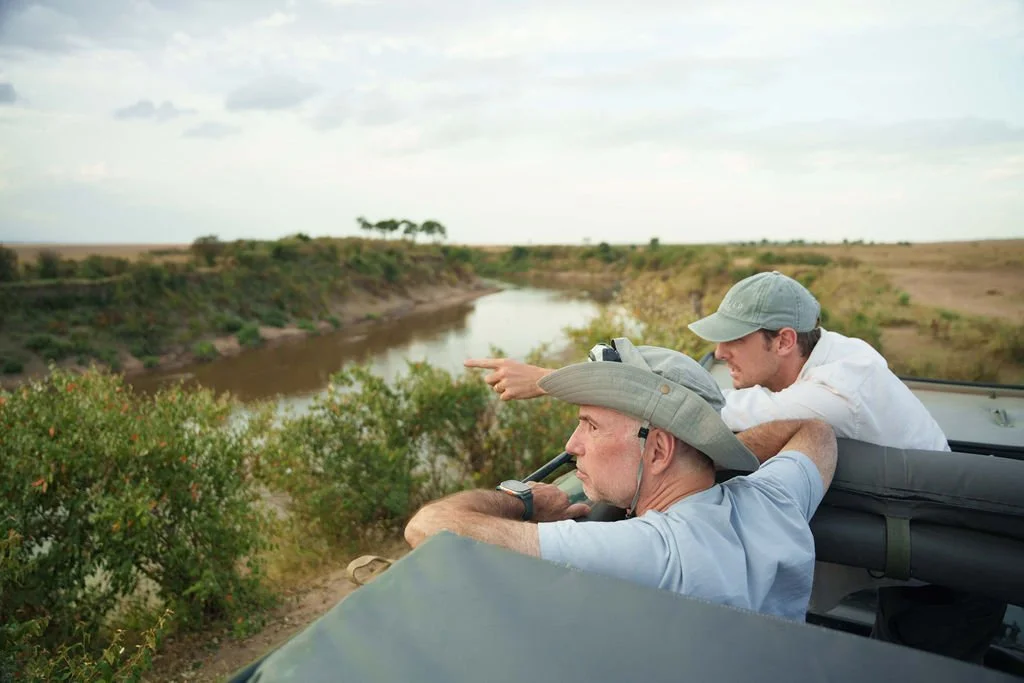
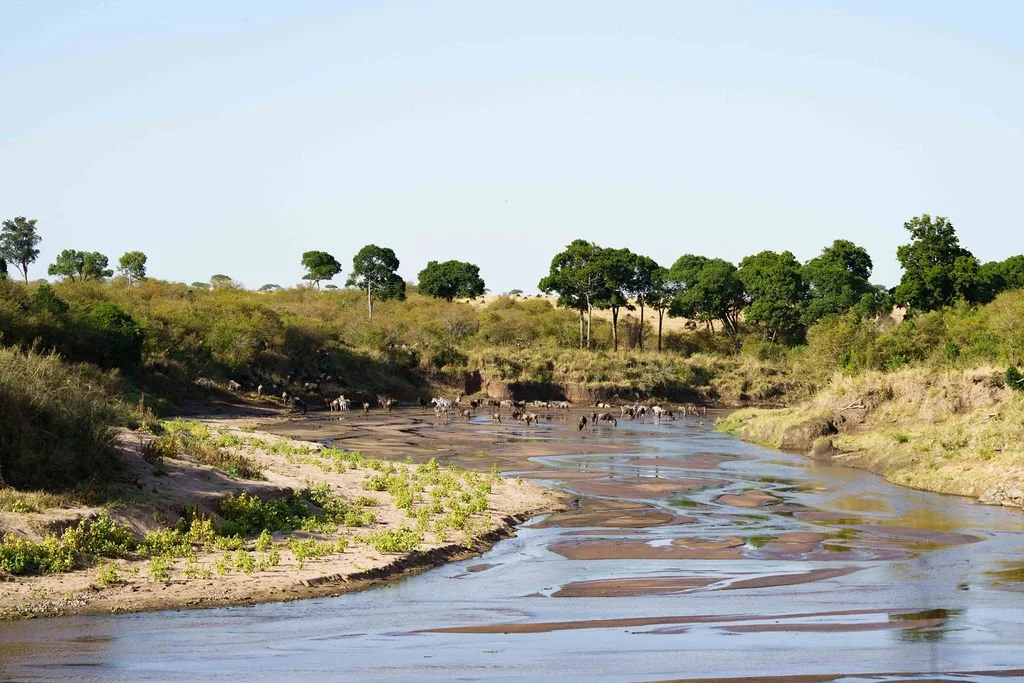
The bird was small enough that most of us would probably have ignored it. Finlay was walking along the Mara River with guests and their Maasai guide when they heard a honeyguide calling from a nearby tree. The guide called back, the bird moved on, and then called again.
For about 25 minutes, they followed the sound through the riverine bush as the bird moved from tree to tree until it led them towards a beehive. What made the moment so special was not simply finding the hive, but understanding what was happening. Honeyguides have long helped people find wild bees’ nests and, once the hive is opened and the honey collected, some of the wax and comb is traditionally left behind for the bird. The guides explained that the exchange matters and that if the bird is not rewarded, it may be less inclined to guide again.
It is exactly the sort of thing that makes safari interesting. You begin with the call of a small bird and end up learning about a relationship between people, wildlife and the landscape that has existed for generations. It is also the sort of thing you could very easily have driven straight past.
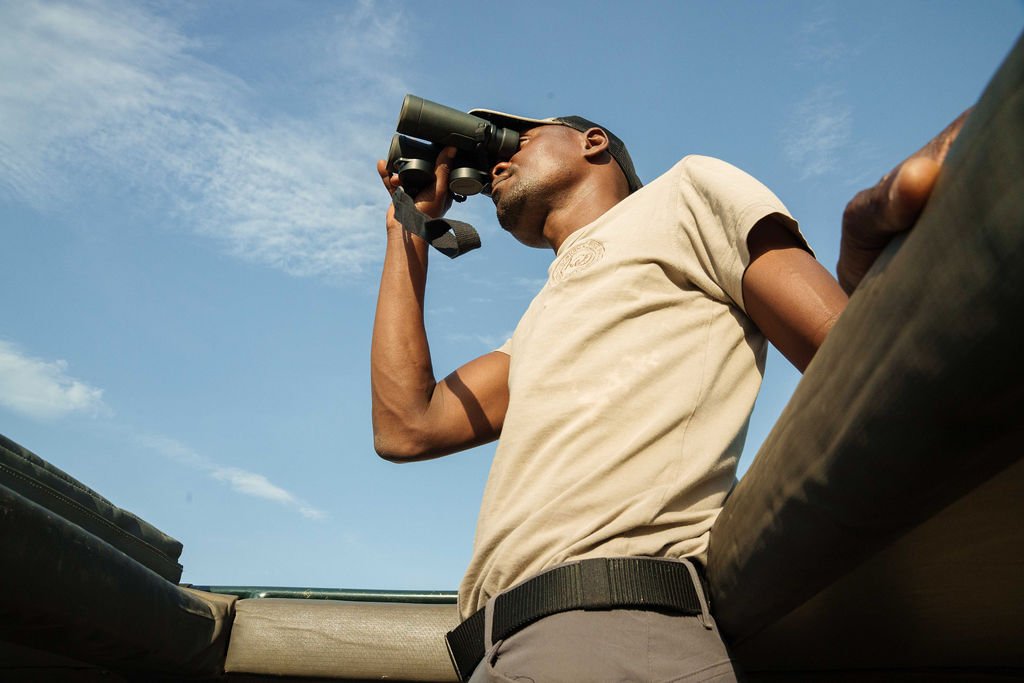
Reading the landscape, and the people
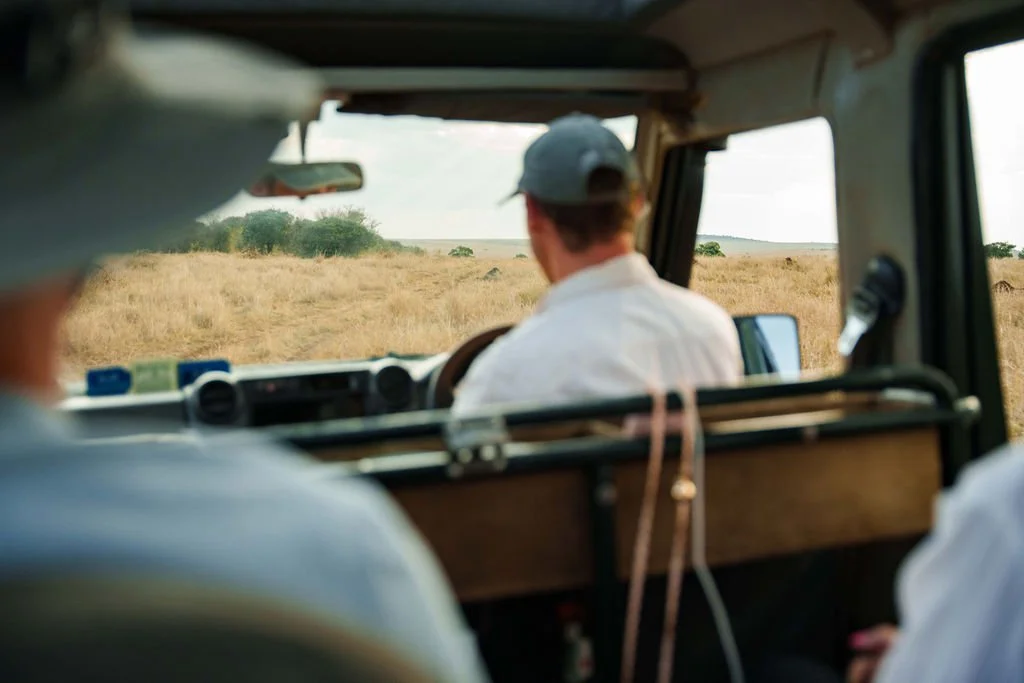
Of course, a guide needs to know the bush properly. Wildlife behaviour, tracks, calls, seasons, weather and the countless small clues that tell you what is happening around you all matter enormously. But the best guides are paying just as much attention to the people they are travelling with.
Over a few days together, they start to understand who would happily sit with elephants for an hour, who wants to photograph everything, which child has reached the end of their patience and when everyone is better off simply watching rather than being given another explanation. Finlay has always felt that safari should be fun as well as fascinating. There is plenty to learn, but it does not need to feel like a lecture. Some moments benefit from context and a story, while others are better left alone.
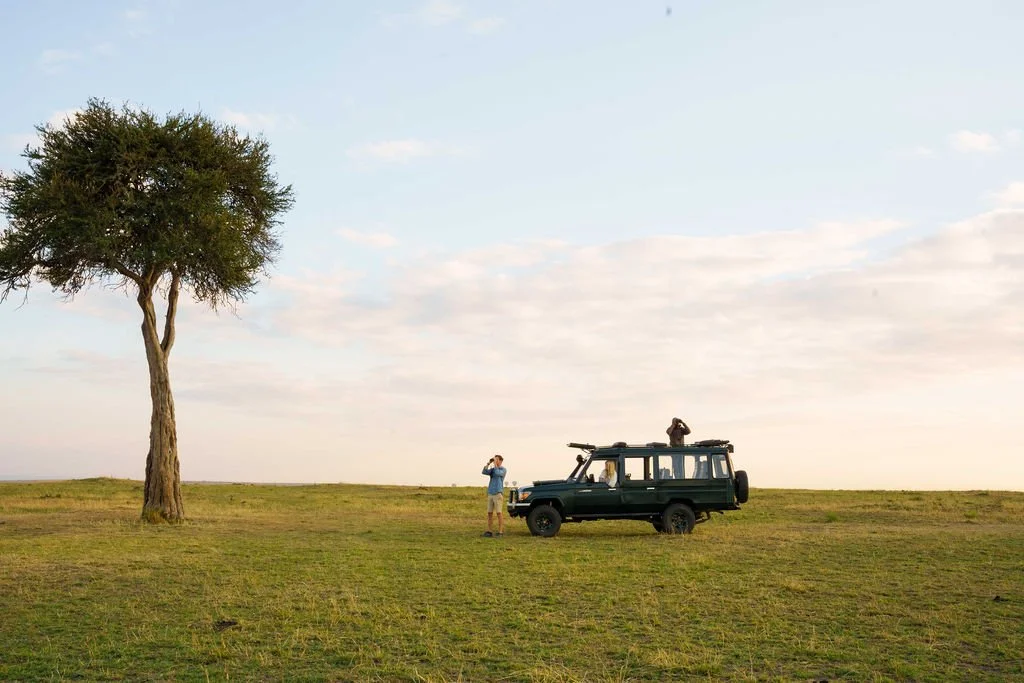
That instinct changes the rhythm of the day too. You might stay another half an hour because something interesting is beginning to happen, or decide that everyone has had enough and head back for G&Ts. If the children need to get out and kick a football around for a bit, you stop somewhere suitable and let them. If you are nearly home and hear a lion roaring nearby, the journey back might suddenly turn into an impromptu night drive.
That freedom is a large part of what makes travelling with a private guide so enjoyable. The safari does not have to keep to a schedule simply because one was written down beforehand.
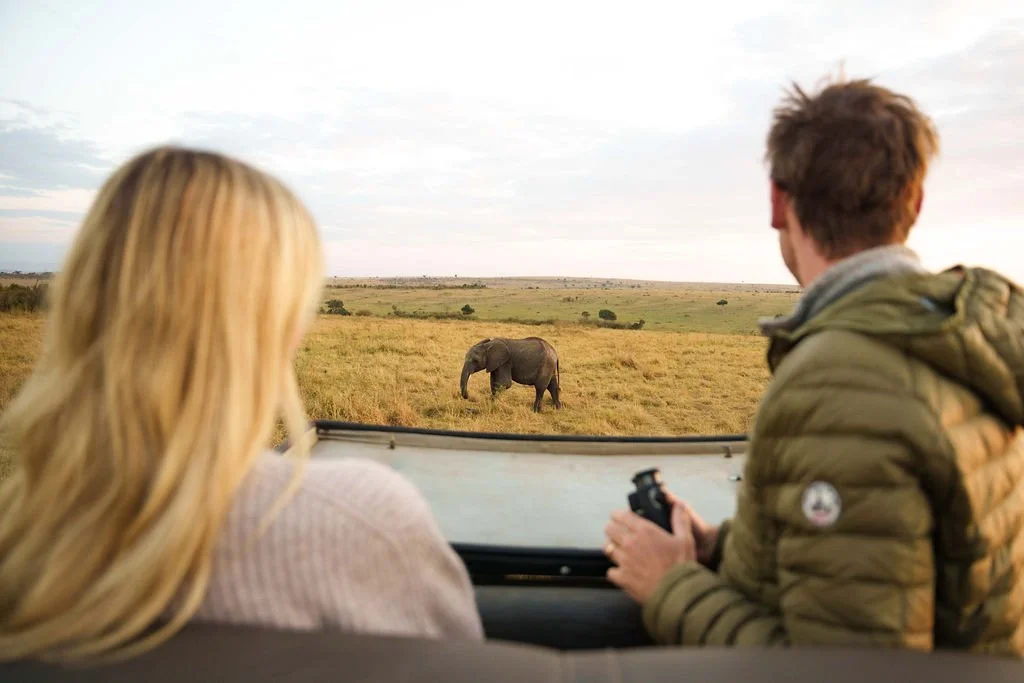
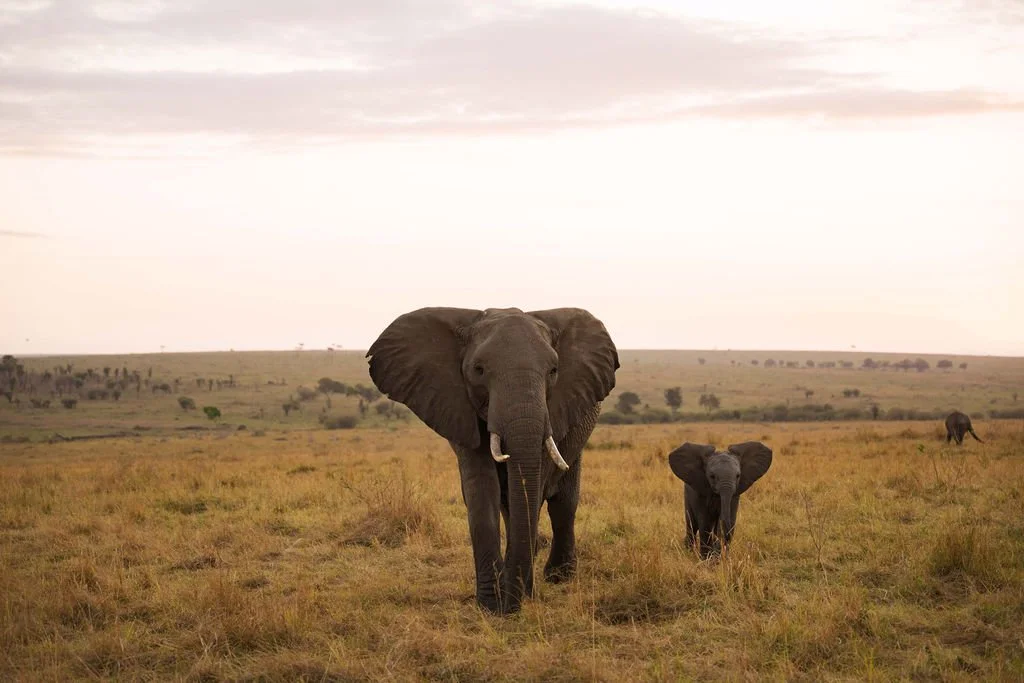
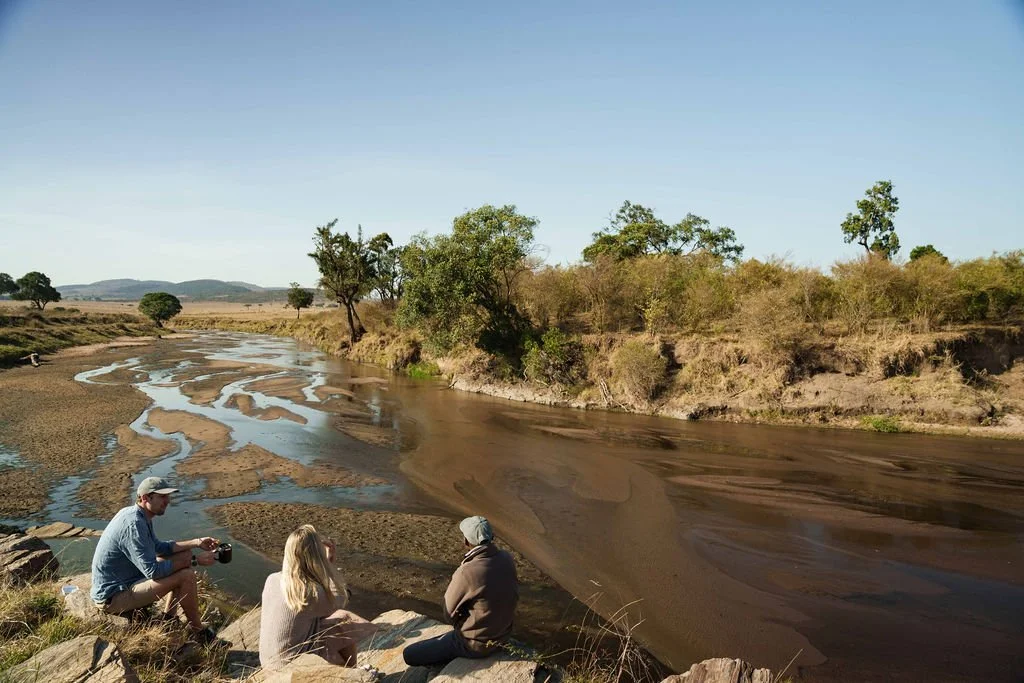
And sometimes nothing dramatic happens at all. You sit somewhere beautiful, have another cup of coffee and watch what is going on around you. That can be just as memorable.
With children especially, flexibility can make all the difference. If they are awake and hungry early, breakfast can happen early. If two hours in the vehicle is enough that morning, there is no point insisting on four. Another day, they may become completely absorbed in something unexpected and nobody wants to move on.
Adults are not so different. One morning everyone might be keen to stay out until lunch; the next, a swim and a slower afternoon might sound far more appealing. Wildlife rarely follows a programme either, which is another reason not to make the day too rigid.
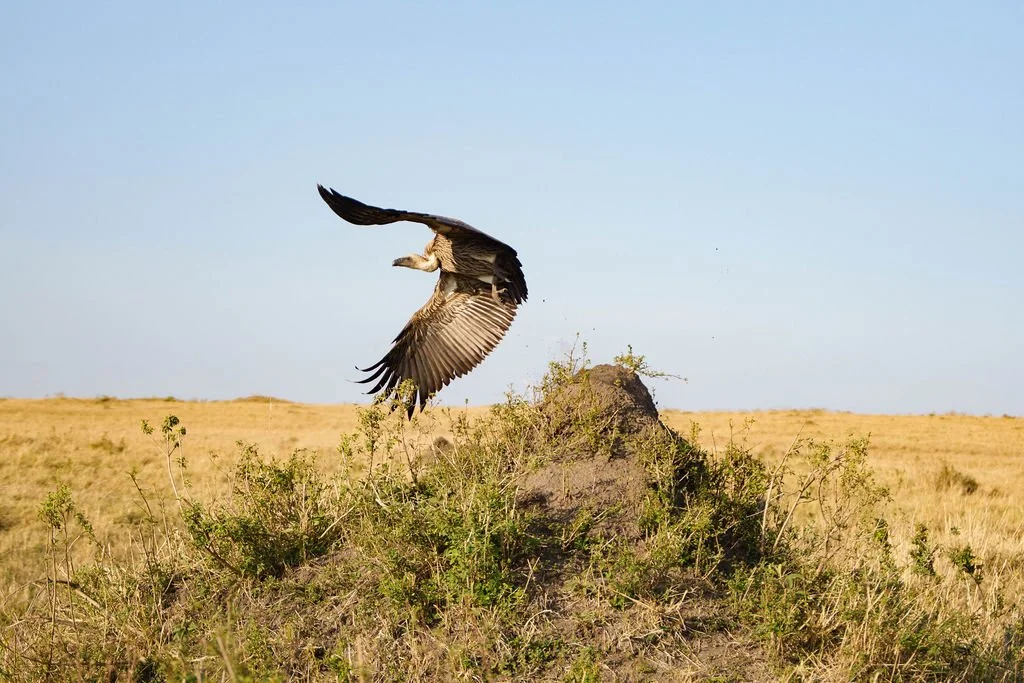
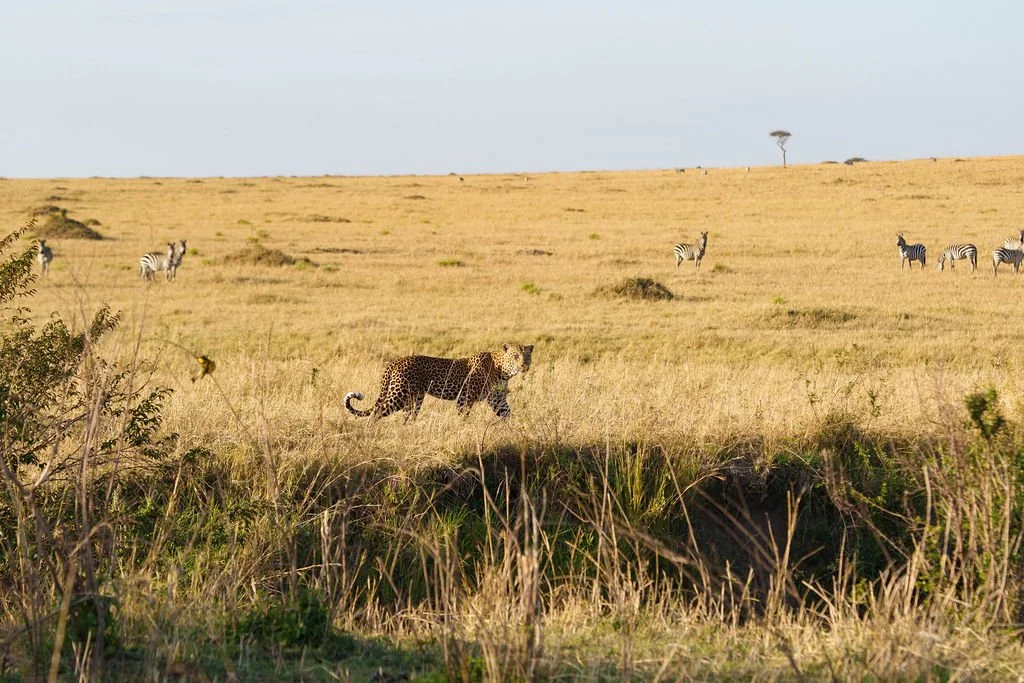
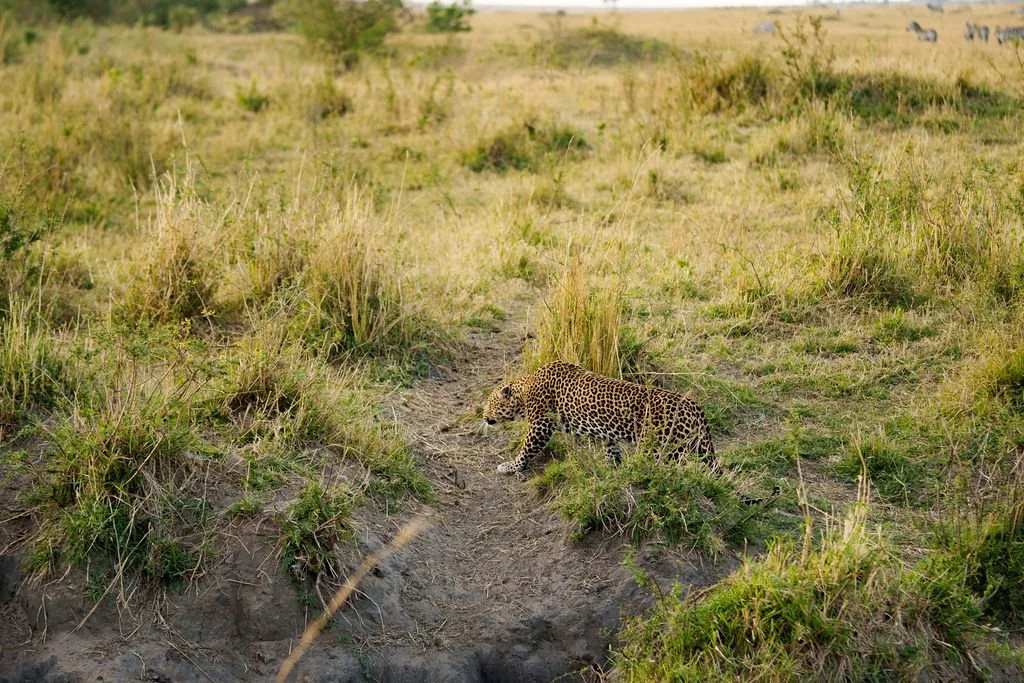
A sleeping lion may remain exactly that for quite some time, and then suddenly get up and begin calling for her cubs. A herd of elephants may change direction. An alarm call in the distance might lead somewhere interesting. Quite often, the best part of a sighting happens simply because nobody felt the need to hurry away.
Finlay’s way of guiding
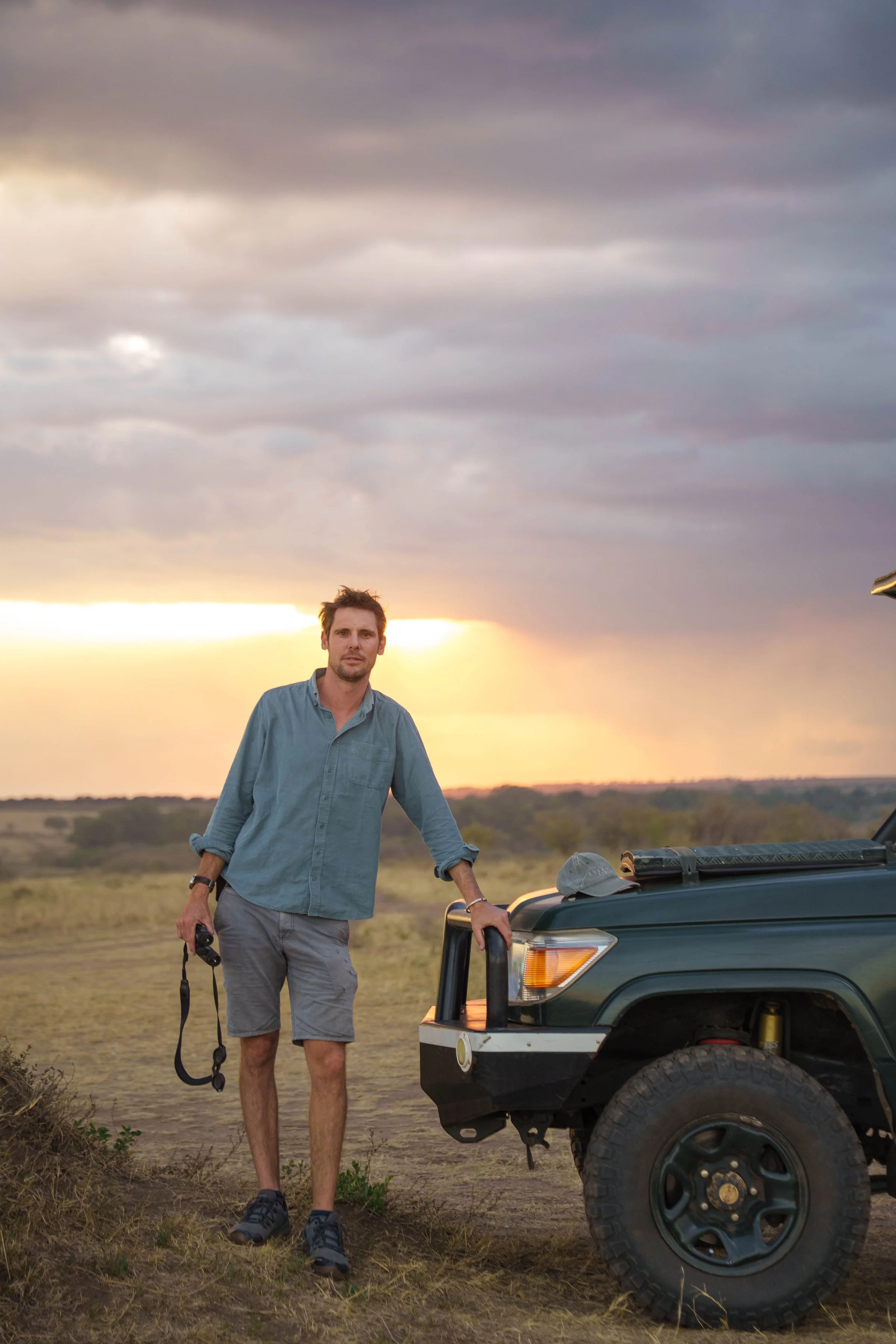
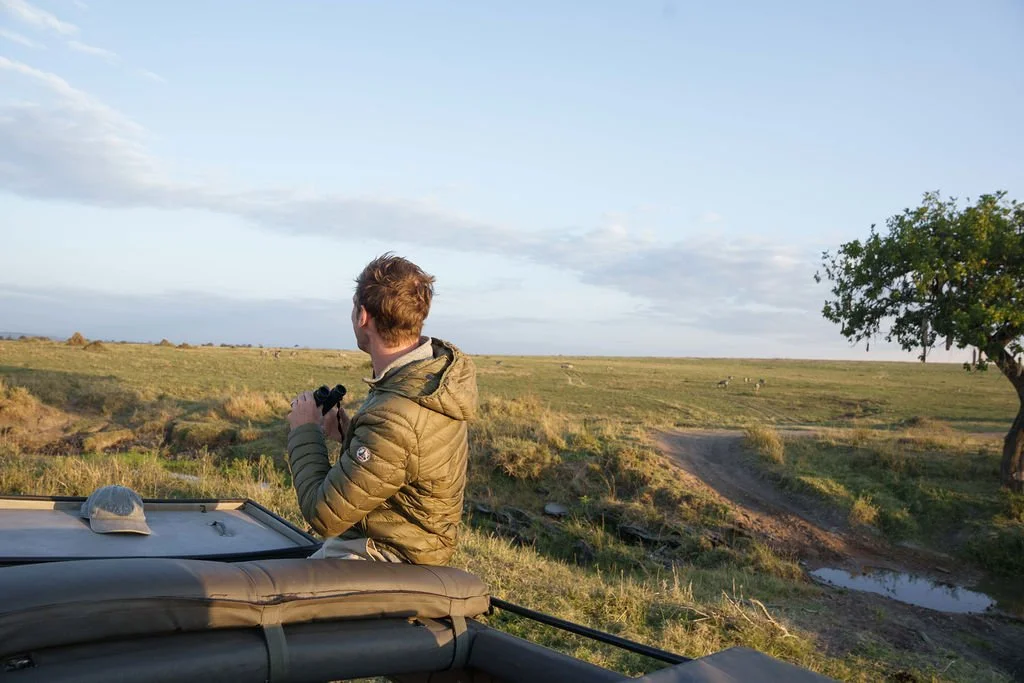
Finlay grew up beside Nairobi National Park and has spent most of his working life in and around the bush, including managing Borana Lodge and Richard’s Camp with Hannah before they started Everwild.
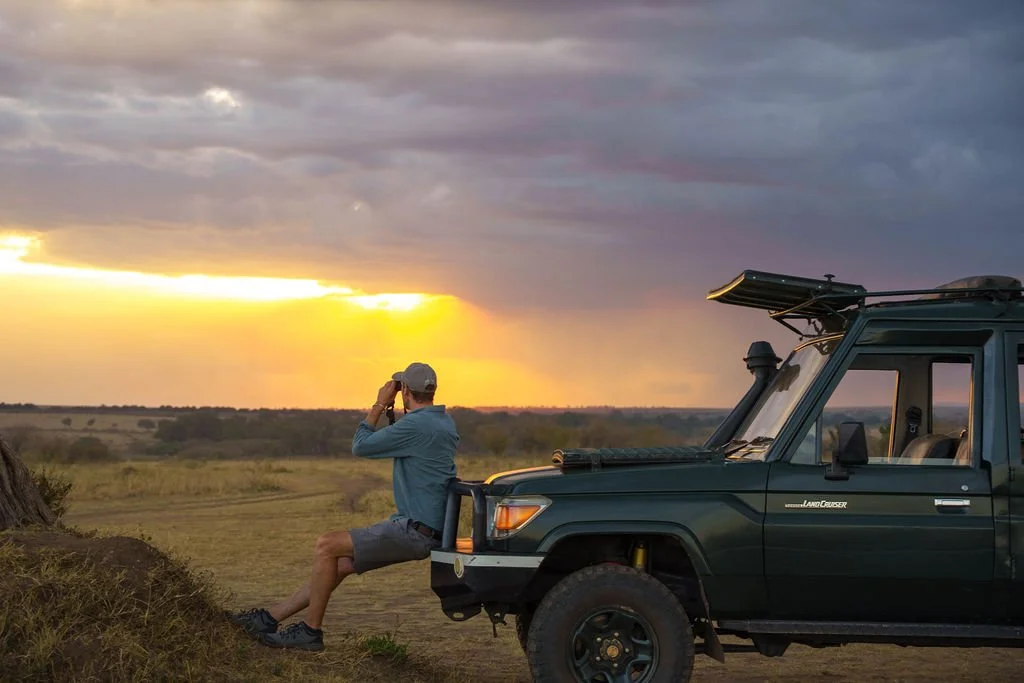
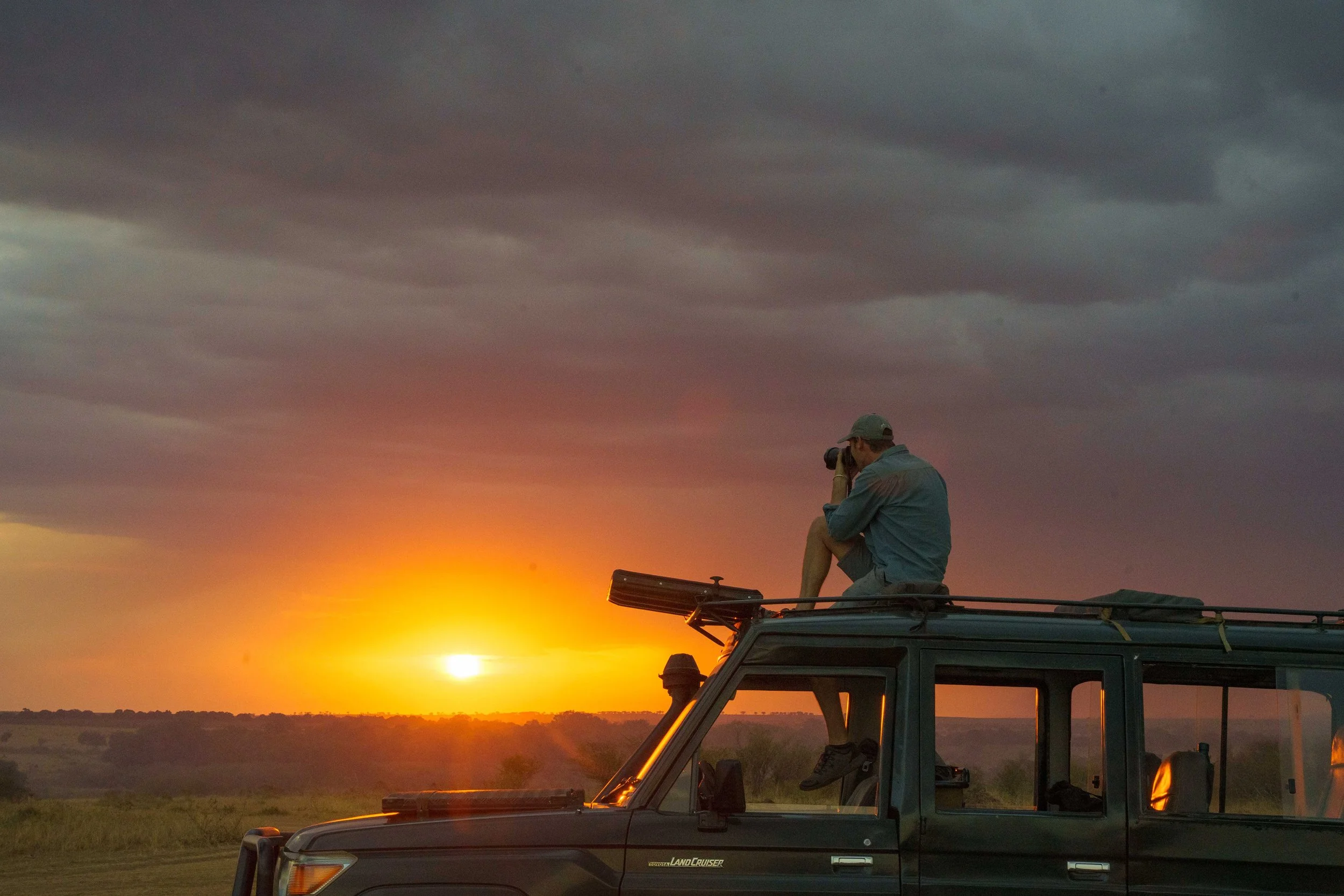
He is also a photographer, which has probably encouraged both his patience and his habit of noticing how light, movement and behaviour can change a sighting.
But experience is only part of it. What we hope guests remember just as much is the energy, humour and curiosity he brings to a journey. Safari should feel relaxed and generous, with plenty of laughter alongside the extraordinary wildlife.
Finlay guides Everwild journeys wherever possible. When he is unavailable, we work with a small circle of Ker & Downey guides we know personally and trust completely, people whose approach to guiding feels very much aligned with ours. A guide can shape the atmosphere of an entire trip, so it matters that the person beside you is someone who knows the landscape but is also someone you genuinely enjoy spending your days with.
One guide through the journey
Private guiding becomes even more valuable when a safari moves through different parts of Kenya, or across several countries. Rather than meeting somebody new at each stop, your guide can travel with you and carry the story of the journey from one place to the next.
By then they already know what you have seen, what everyone is interested in, whether photography matters, who likes an early start and who absolutely does not. On some journeys, that might mean moving between lodges and private houses. On others, it might mean several nights in a mobile camp, then two or three nights in a private house or lodge while the camp moves ahead, before rejoining it somewhere completely different.
The locations change, but you are not starting again every time.
What private guiding really changes
The value of private guiding is not that every day becomes busier or every sighting more dramatic. It is that the experience becomes more responsive, with more room for curiosity, more freedom to change course and more time to notice the things that interest you.
Over the course of the journey, the guide becomes part of its rhythm rather than simply the person driving the vehicle. The result is a safari that feels more personal, more relaxed and, importantly, more fun.
Thinking about a privately guided safari? Book a call with Finlay and talk through how you would like to travel.
Or get in touch directly: safaris@everwildafrica.com