
How Much Does a Safari in Kenya Cost?
What $10K, $15K and $25K+ Per Person Can Buy
If you have started researching a safari in Kenya, you have probably discovered that getting a straight answer on price is surprisingly difficult.
You might find one safari for $7,000 per person and another for $25,000. On paper, both may include beautiful camps, wildlife viewing and flights between destinations. So what exactly are you paying more for?
For the type of safaris we plan in Kenya, it is useful to think about three broad starting points: around $10,000, $15,000 and $25,000+ per person.
These examples are based on two people travelling together and sharing accommodation. International flights are not included, and exact costs will always depend on the time of year, trip length, group size, availability and style of journey.
These are not fixed packages. Nor is the point that one safari is good, another better and another best.
We have had extraordinary days on safari that had nothing to do with the price of the room we slept in that night.
The real difference is in the choices each budget gives you.
| $10K pp | $15K pp | $25K+ pp | |
|---|---|---|---|
| Destinations | 2 | 3 | 3–4 |
| Seasonal flexibility | Best value outside peak | Greater choice of dates | Maximum flexibility |
| Guiding | Shared | Shared + private vehicles | Private guide throughout |
| Flights | Scheduled | Scheduled + selective charters | Private charters throughout |
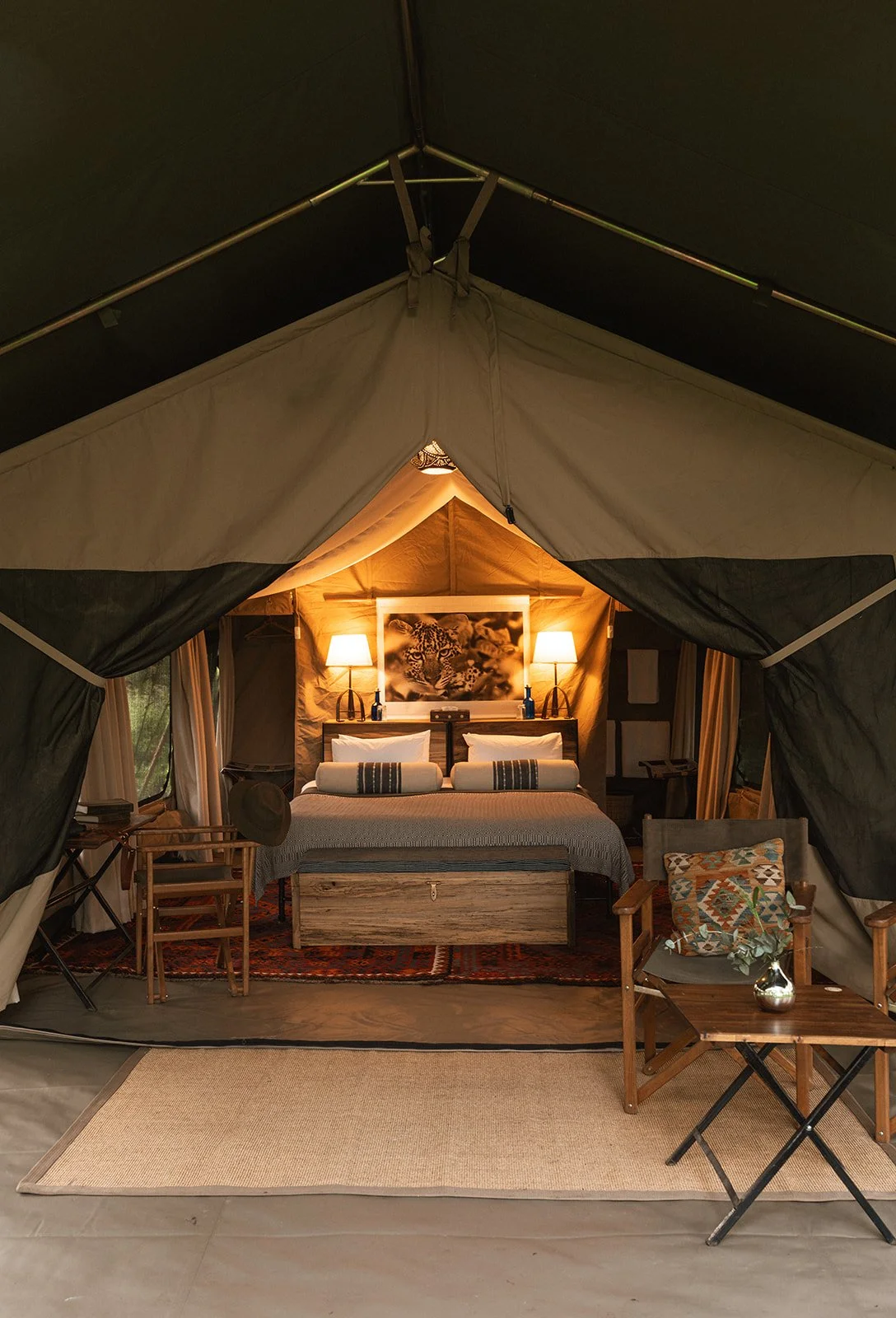
| Accommodation | Excellent camps + offers | Greater choice + selective splurges | Private houses, exceptional camps + mobiles |
| What it unlocks | Spending strategically | Variety + flexibility | Privacy, access + freedom |
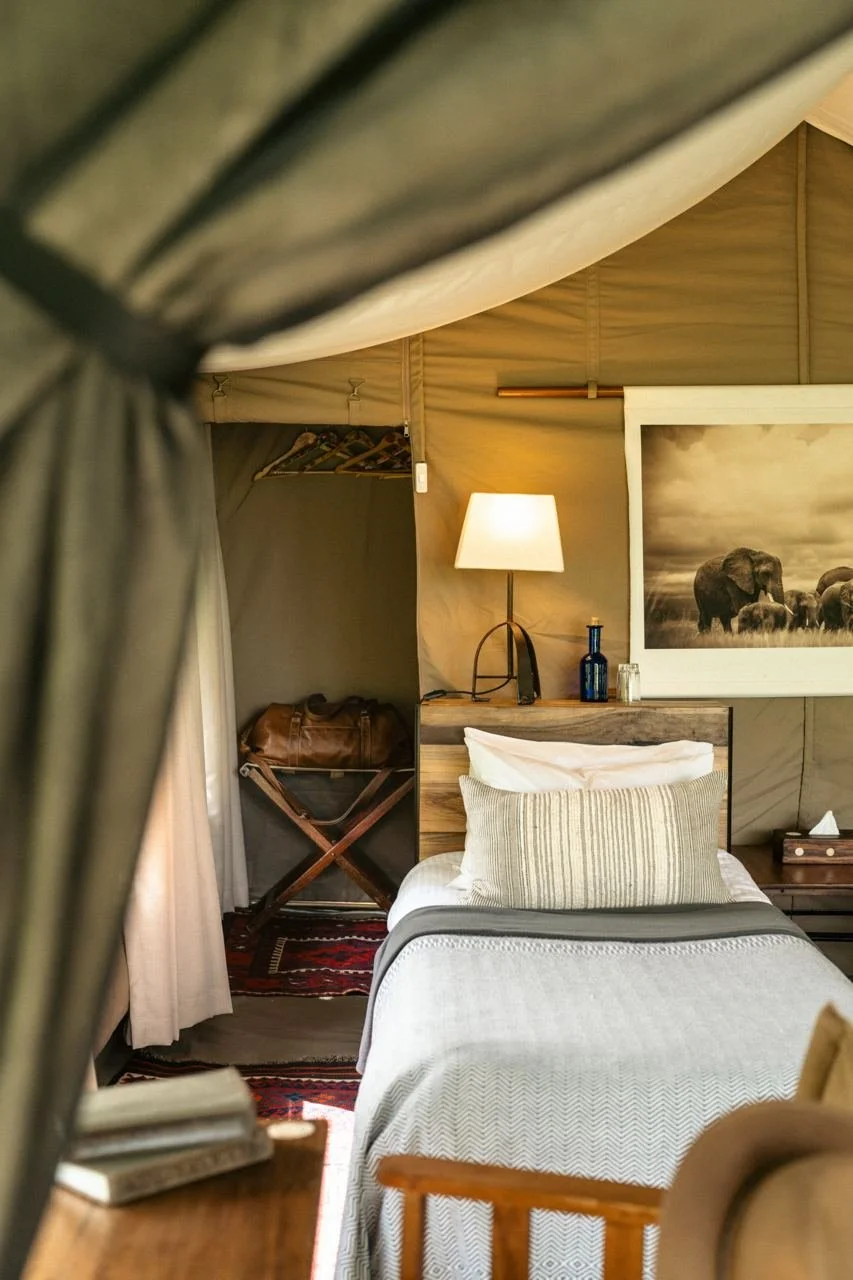
Arijiju
Lewa
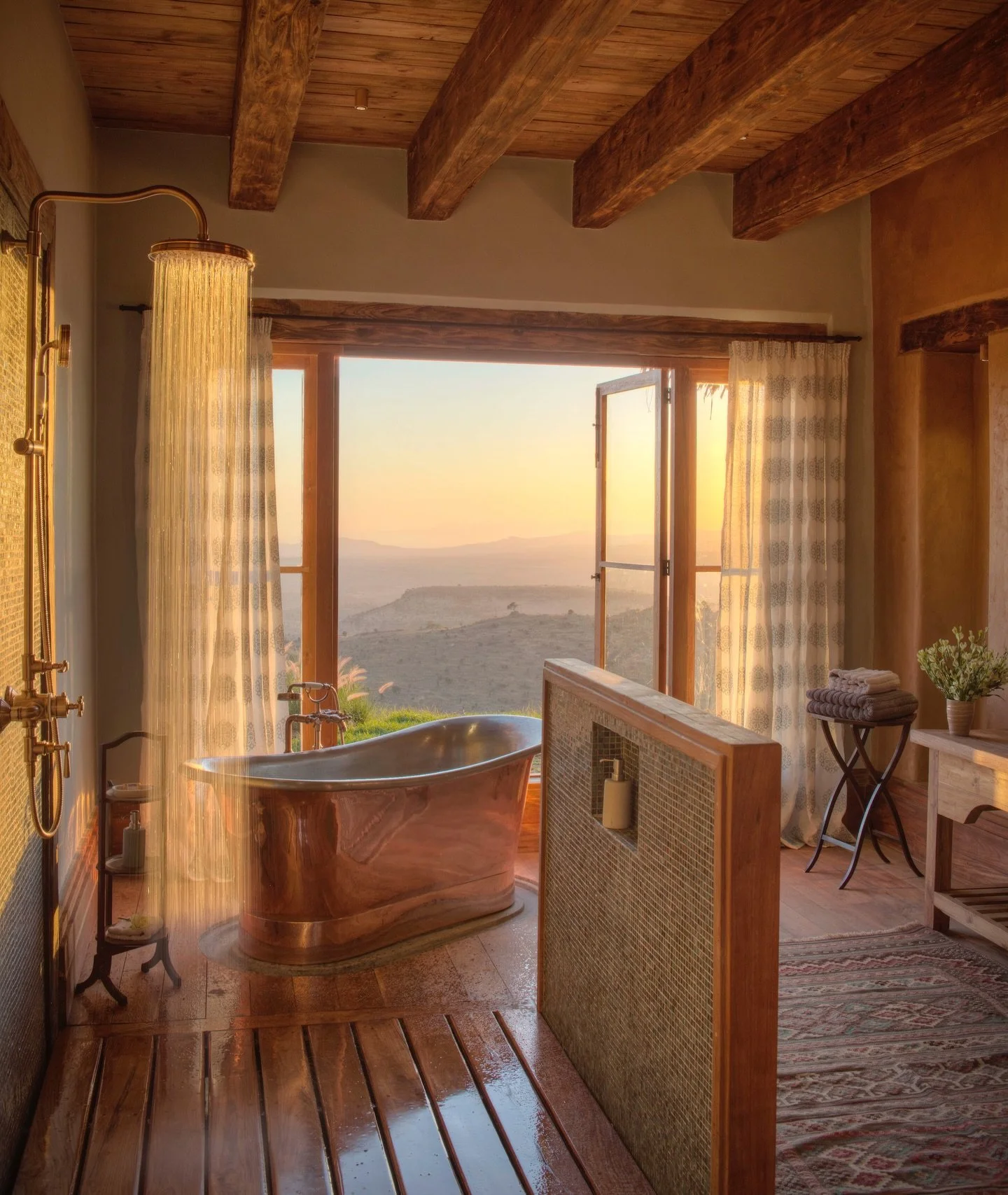
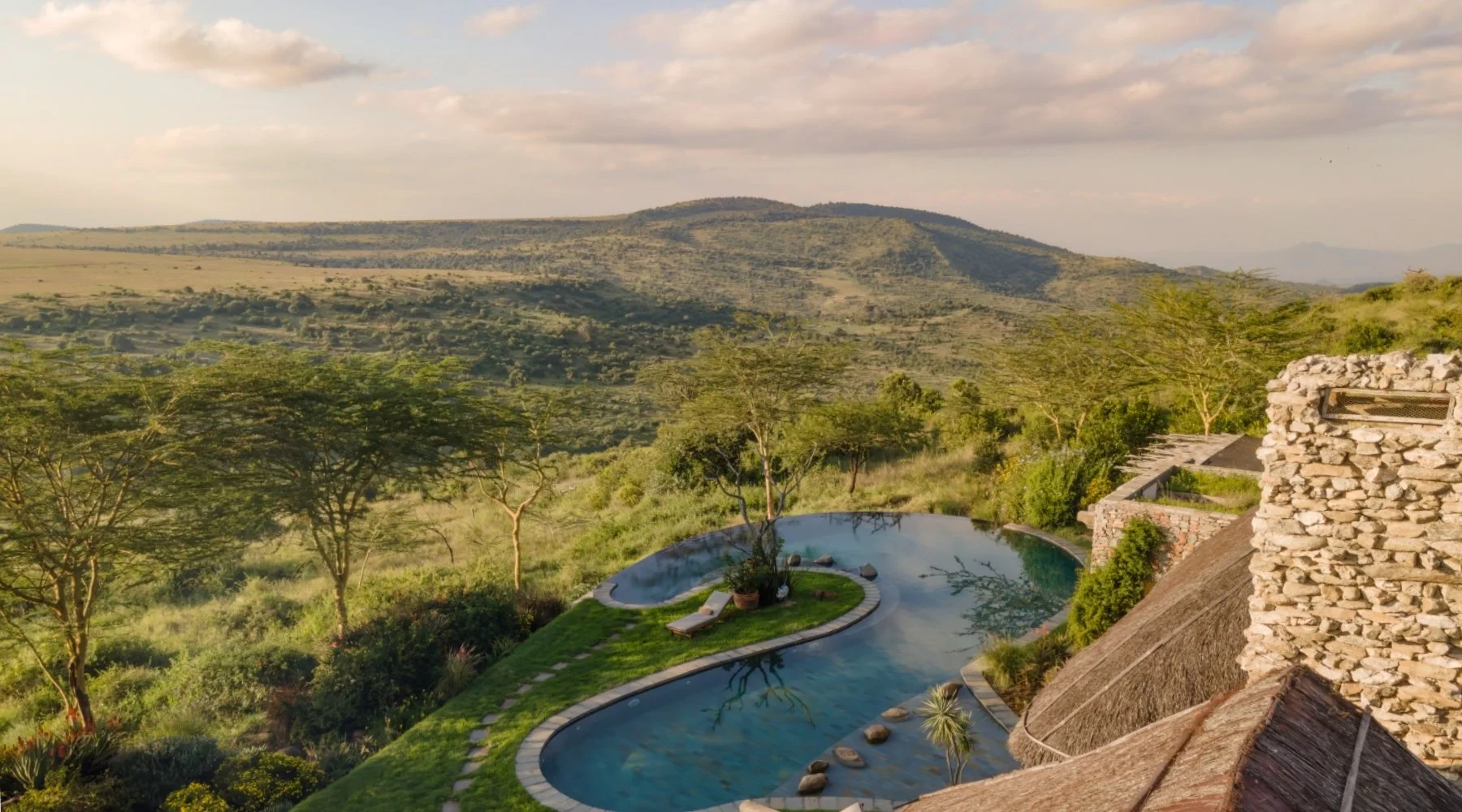
Lengishu
What can $10,000 per person buy you on safari in Kenya?
A budget of around $10,000 per person can create an exceptional safari. The key is making intelligent choices rather than trying to do too much.
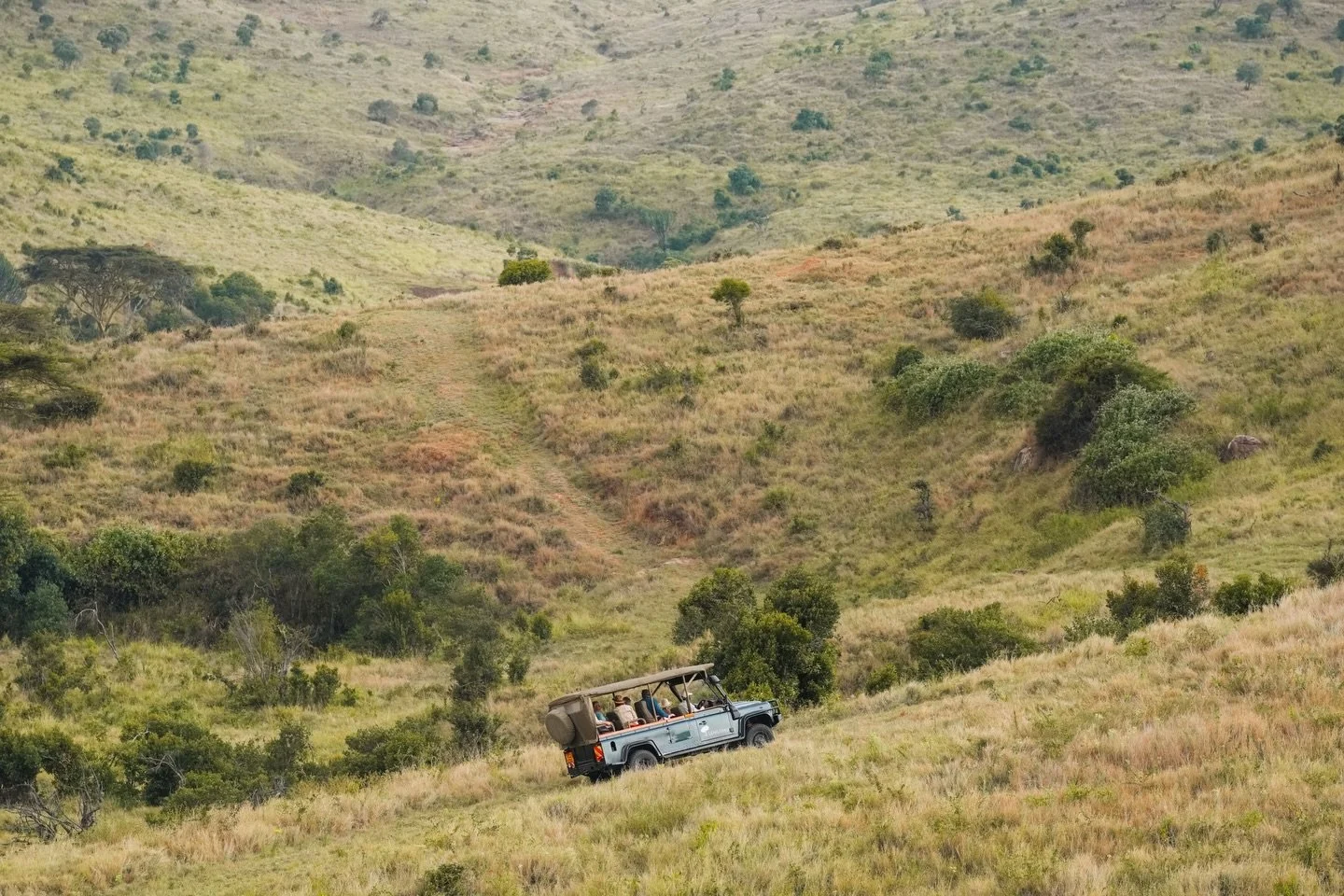
At this level, we would usually focus on two safari destinations, use scheduled light aircraft flights and share game drives and activities with other guests at camp.
Fewer destinations can mean a better safari as well as a more economical one. Every time you move, you add another flight or road transfer. We would rather spend longer in two carefully chosen places than rush between three or four.
Flexibility over dates can also make a significant difference.
Kenya has become strongly associated with a handful of famous travel periods, particularly the months when the Great Migration is expected in the Maasai Mara. But wildlife does not disappear outside these months.
The quieter seasons can be some of our favourite times to travel. There are fewer vehicles, the landscapes change and camps often offer considerably better rates. Some also introduce stay-longer offers, such as staying four nights and paying for three.
Shared guiding is not necessarily a compromise either. A good camp with excellent guides, small vehicles and a flexible approach can still deliver a deeply personal experience.
For travellers wanting a longer holiday, we might also suggest combining a focused safari with a few days on the Kenyan coast rather than adding another safari destination.
At around $10,000 per person, the aim is simple: spend strategically, move less and choose well.
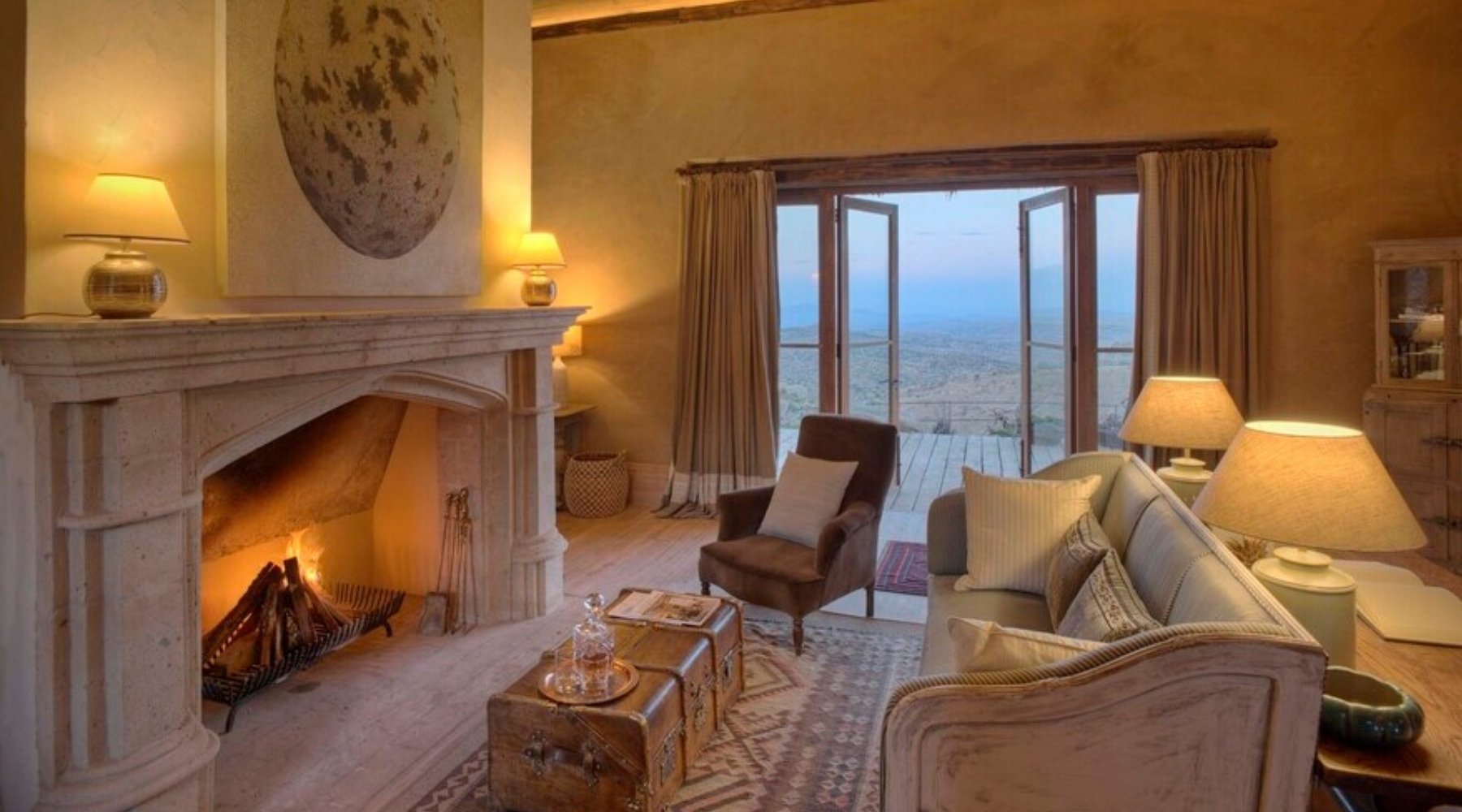
Lengishu
“I returned home realising just how much I needed those 13 days. It was the life refresh I didn’t know I was looking for.”
What can $15,000 per person buy you on safari in Kenya?
At around $15,000 per person, we can start being more selective about where privacy and additional spend will genuinely change the experience.
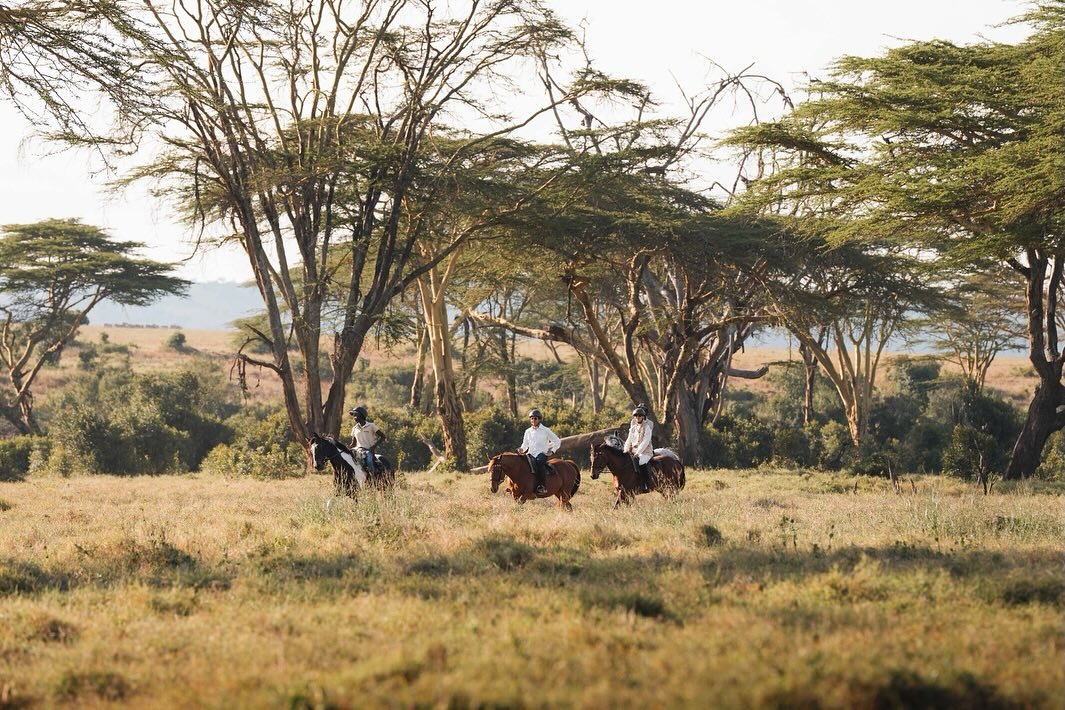
A journey can realistically include three safari destinations, allowing you to experience different landscapes and styles of safari. Perhaps exceptional big-game viewing in one area, a more active safari with walking, riding or cycling in another, and time somewhere more remote and culturally distinct.
The biggest difference at this level is flexibility.
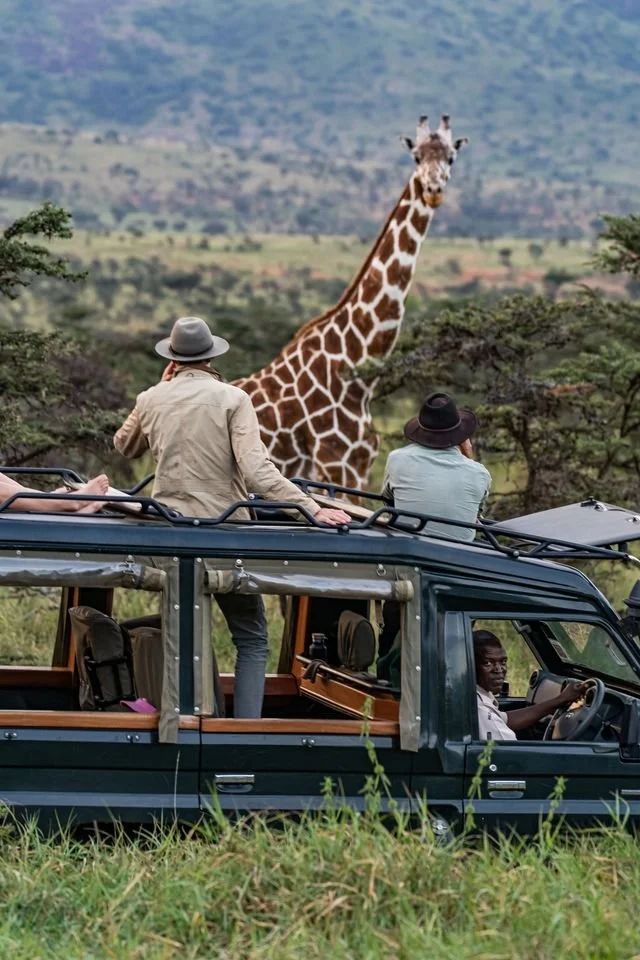
You might share game drives in one destination and have a private vehicle in another. A private vehicle gives you control over the day: when you leave, how long you stay at a sighting and what you choose to focus on.
For families, photographers and travellers with particular interests, that flexibility can be extremely valuable. But we do not believe everything needs to be private simply because the budget allows it.
The same applies to flights. An itinerary at this level might combine scheduled flights with private charters where they genuinely improve the journey. A charter might remove a difficult connection or make a more interesting route possible. Elsewhere, a scheduled flight may work perfectly.
If we had an additional $5,000 per person to spend, we would not automatically use it to upgrade every room. We might use it for a private vehicle where it matters most, a smaller or more remote camp, better routing, a specialist experience or simply more time somewhere exceptional.
The most expensive room does not always produce the most memorable safari.
At around $15,000 per person, the additional budget should buy greater variety and flexibility, used selectively.
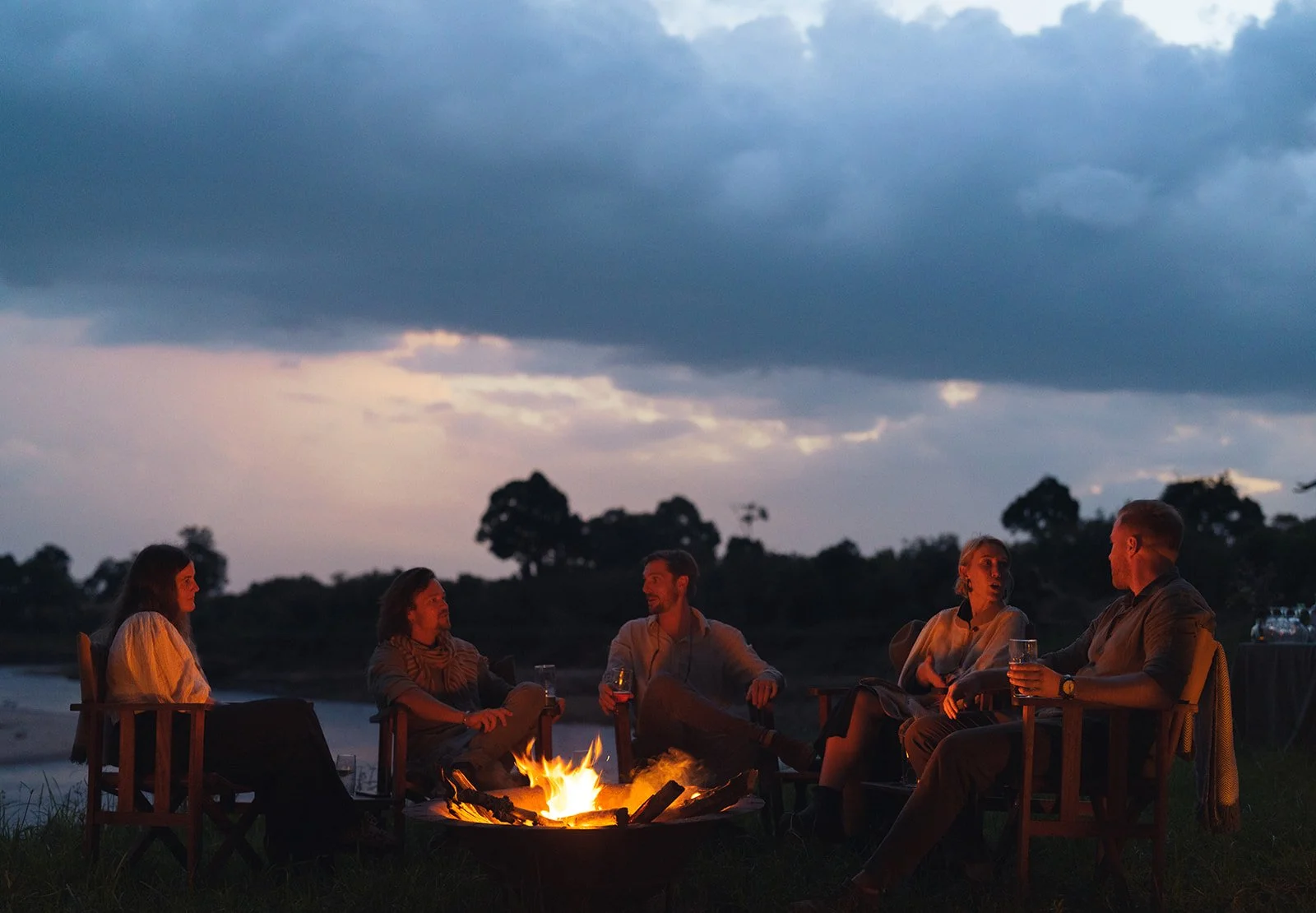
“From the very beginning, they took the time to truly understand what mattered to us. We laughed, cried, gasped and left Africa with the infectious love they have for this extraordinary place.”
What can $25,000+ per person buy you on safari in Kenya?
At $25,000 per person and above, the biggest shift is not necessarily the size of the suite or the thread count of the sheets.
It is the ability to make the journey genuinely private.
A safari at this level might include three or four destinations, private charter flights throughout, a private guide travelling with you and a combination of exceptional camps, exclusive-use houses or private mobile camps.
The defining difference is freedom.
Private charters allow the journey to be designed around you rather than scheduled airline routes and timetables, making it easier to connect remote areas and reducing time spent working around logistics.
Travelling with one private guide throughout the safari also creates a very different experience from having a new guide at every camp. They understand the journey as a whole: what you have already seen, what interests you and how you like to spend your days.
For us, that continuity is one of the most valuable things a higher safari budget can buy.
Exclusive-use accommodation can also completely change the experience for families and groups of friends. A private house gives you your own space, team and rhythm to the day. A private mobile camp takes this further, creating a camp in the wilderness specifically for your group.
At $25,000+ per person, the additional spend increasingly buys privacy, access, continuity and freedom, rather than simply a more expensive bedroom.
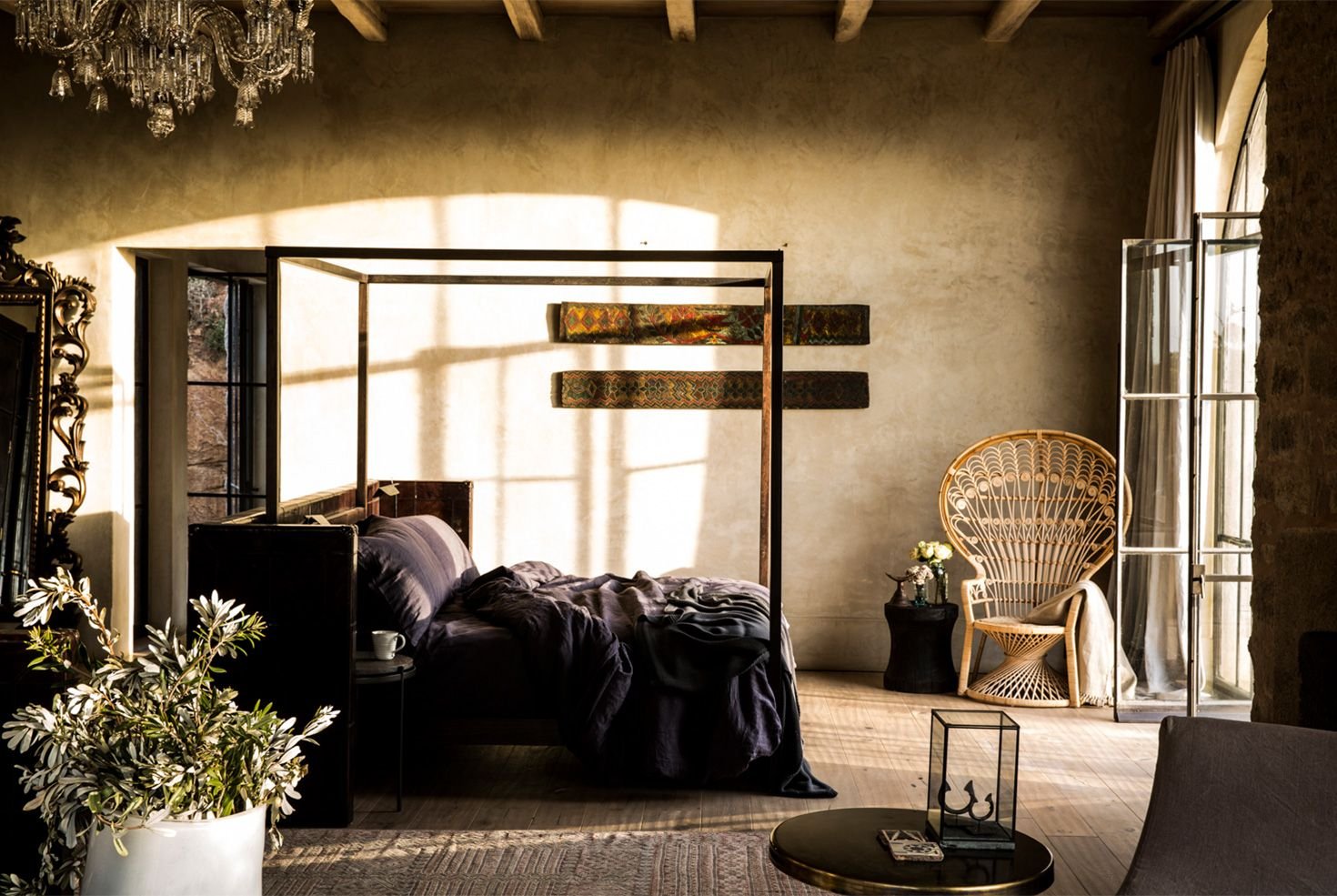
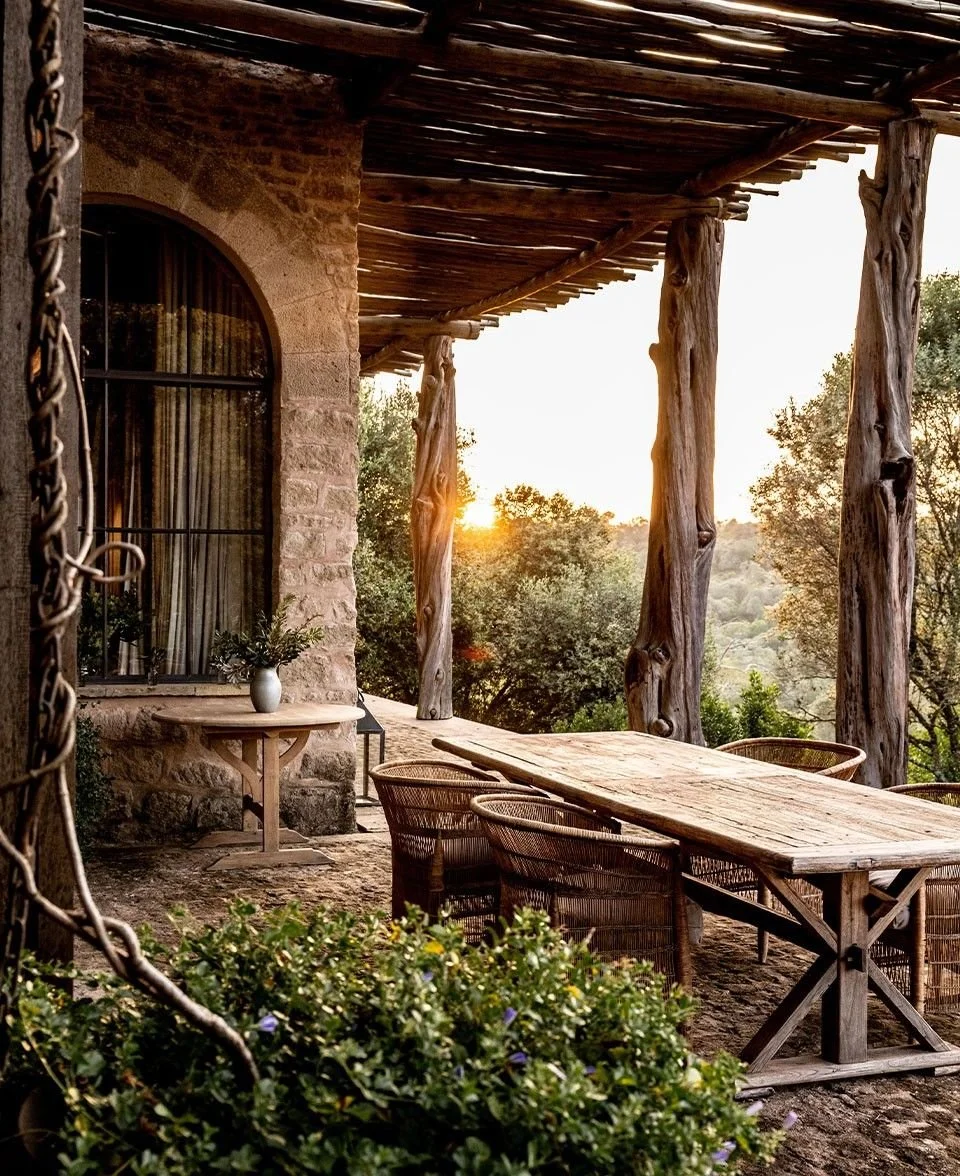
Arijiju
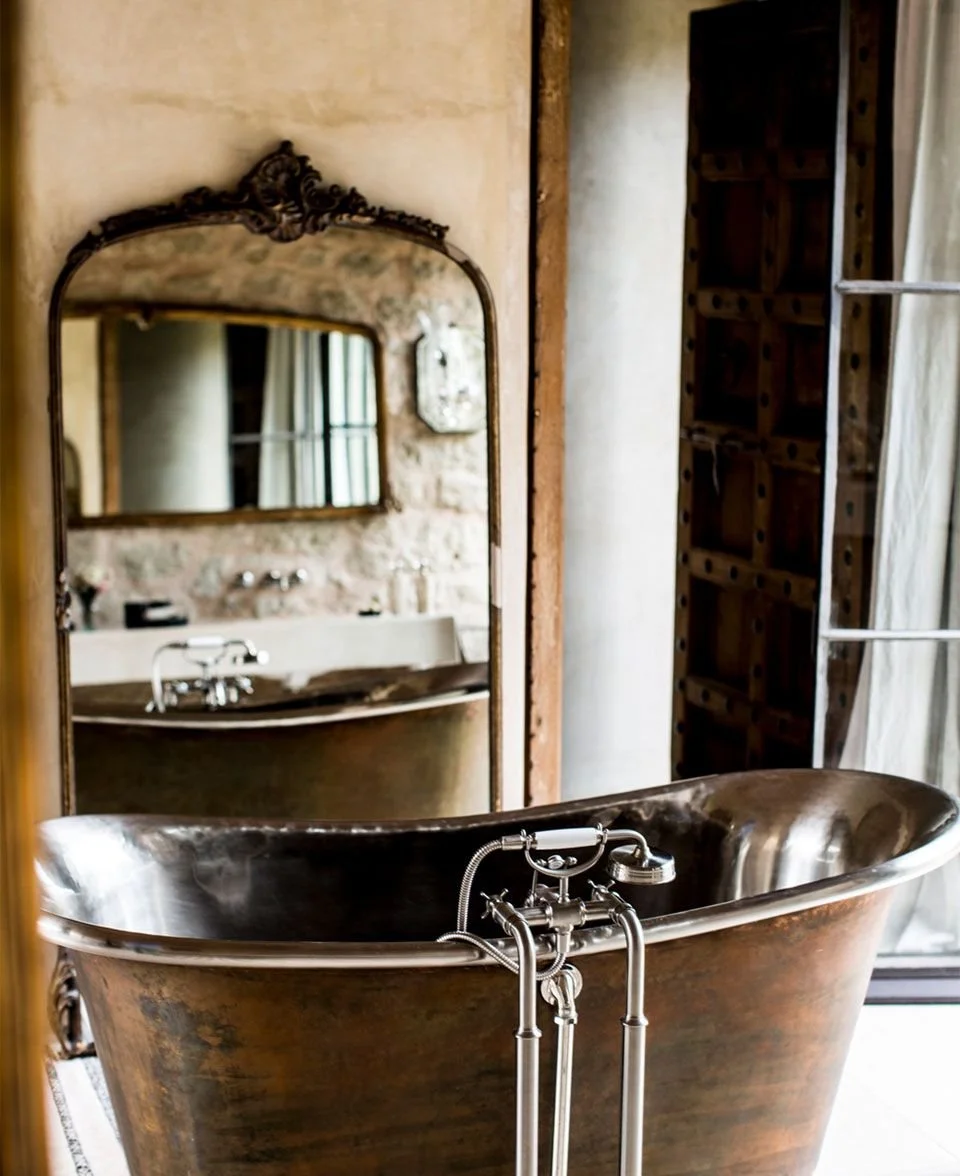
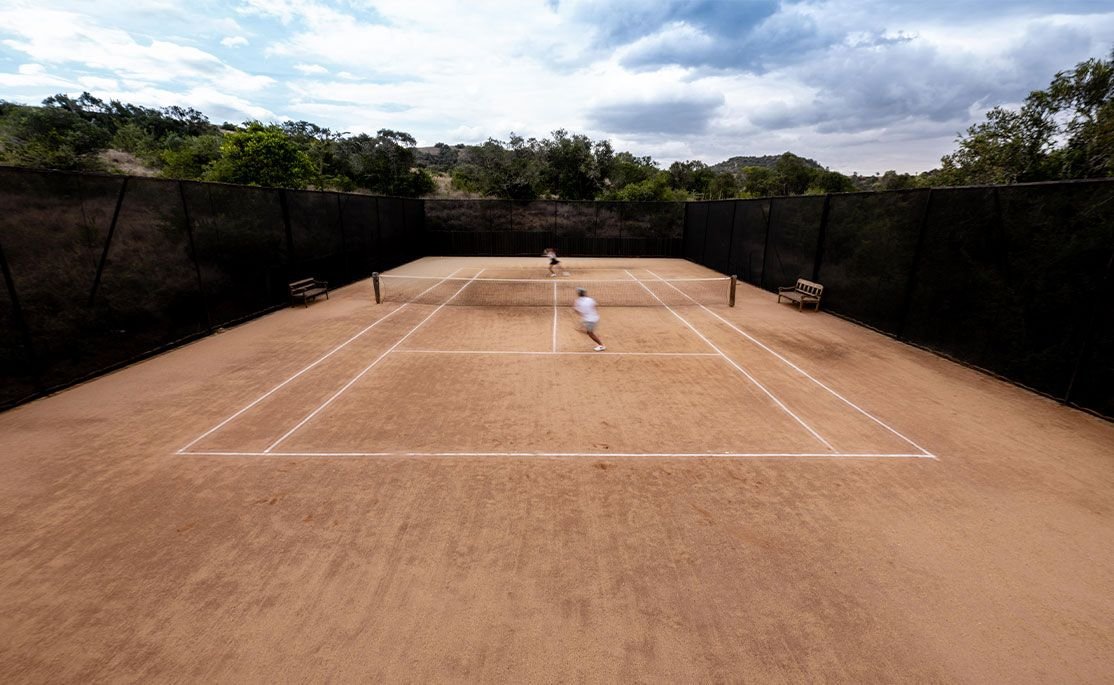
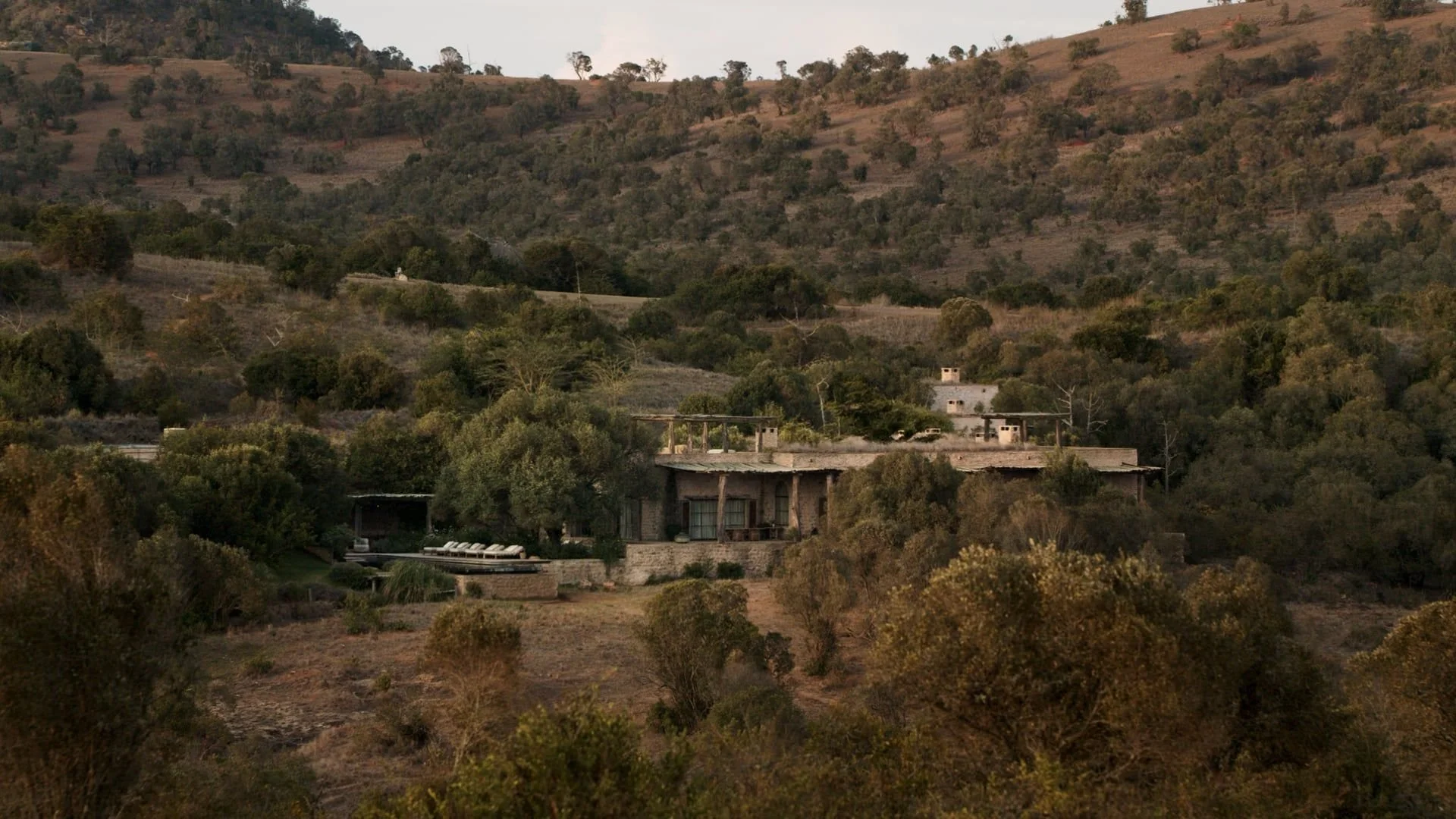
“Hannah & Finlay created a journey that allowed us to experience the magic of Africa without worrying about a single detail. It inspired my London exhibition & gave my son a meaningful connection to his family’s roots.”
Where does spending more genuinely improve a safari?
In our experience, an additional budget makes the greatest difference when it buys better guiding, privacy, access, time, smoother logistics and exclusivity.
An exceptional guide can completely change how you understand what you are seeing. A private vehicle gives you control over the day. A well-used charter can remove hours of awkward connections. Staying longer can be far more rewarding than adding another destination.
There are, of course, other things you can spend money on: larger suites, private pools, spas, beautiful interiors and extensive wine lists.
There is nothing wrong with valuing those things. For some travellers, they are an important part of the holiday.
But a beautiful bathroom cannot guarantee a leopard sighting, and the most expensive lodge is not automatically the one we would choose.
What does our safari price include?
Our safari quotes are designed to show the cost of the journey as a whole, rather than presenting a headline accommodation price and adding the rest later.
Depending on the itinerary, your quote will typically include airport meet and greet, private road transfers, internal scheduled flights or private charters as stated, accommodation, meals and drinks according to the camp inclusions, game drives and guiding, airstrip transfers, park and conservancy fees, emergency evacuation cover and many of the activities offered by the camps.
Those activities might include walking, horse riding, mountain biking, rhino tracking and conservation or community experiences.
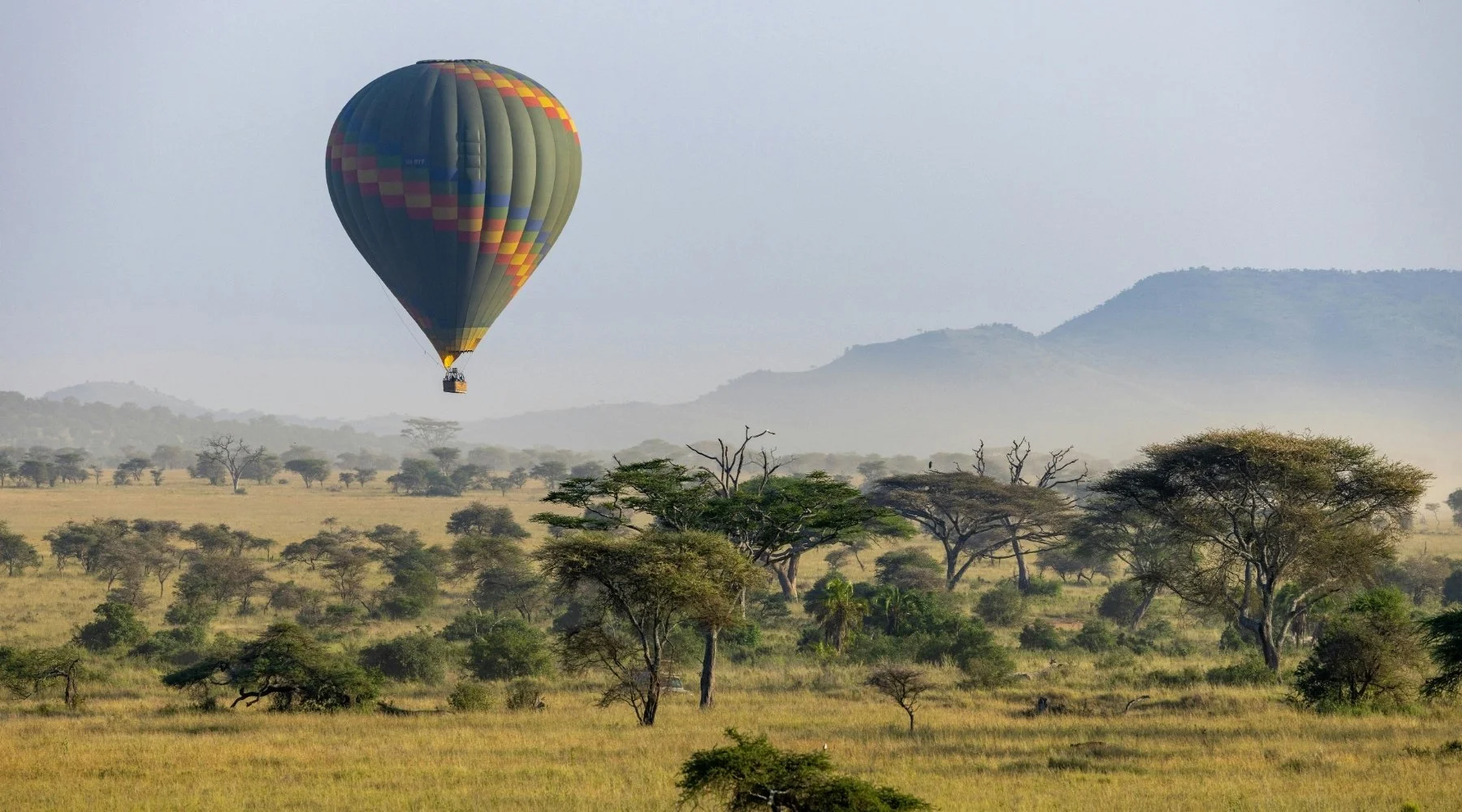
International flights, travel insurance, visas or travel authorisations, gratuities and certain specialist experiences, such as hot-air ballooning or helicopter excursions, usually sit outside the safari cost.
When comparing safari quotes, look at the complete journey rather than simply the nightly accommodation rate.
The right safari is not necessarily the most expensive one
We do not believe the aim of planning a safari is to spend as much as possible. It is to understand what matters to you and use the budget accordingly.
For one person, that might mean an exceptional guide and long days in the field. For another, it is privacy and time with family. Someone else might want to travel somewhere remote, spend their days walking rather than driving, or simply end each day somewhere beautiful with excellent food and a good bottle of wine.
There is no universally right way to spend a safari budget.
When you first speak to us, it is incredibly helpful to have even a ballpark idea of what you are comfortable spending. It does not lock you into anything. It simply helps us narrow down the possibilities and focus on the camps, destinations and experiences that are genuinely the right fit for you.
Tell us your dates, who you are travelling with, what matters to you and roughly what you would like to spend. From there, we can start shaping the right safari for you.
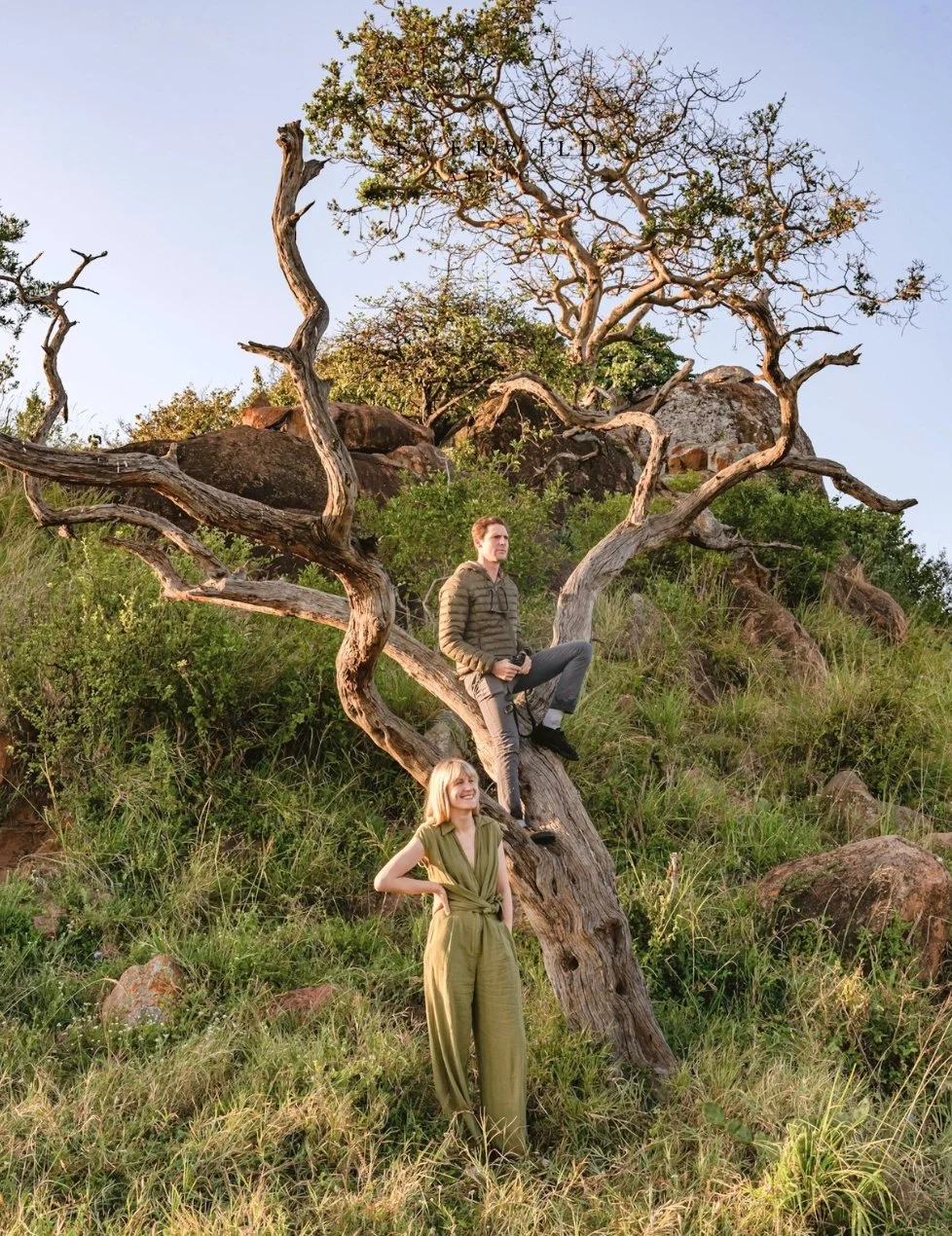
Kenya has been our home, our greatest teacher & the inspiration behind Everwild.
Over the years we've learnt that the most memorable safaris aren't defined by the number of wildlife sightings but by the people you meet, the stories you hear & the moments in between. Following fresh tracks at first light. Sharing stories around the campfire. Spending time with the guides, landowners & communities whose lives are deeply connected to these landscapes.
Those experiences are built on trust, time & relationships.
As a family-run company based in Kenya, we personally design every journey around the people, places and experiences we know best. Many are guided and hosted by us, while our trusted partners across East & Southern Africa allow us to extend the same level of care, local knowledge and personal approach wherever your adventure leads.Through our partnership with The Original Ker & Downey, we're proud to continue nearly 80 years of pioneering mobile safaris, combining that heritage with our own way of exploring Africa.
Our hope is that you'll leave with more than unforgettable wildlife encounters. We hope you'll return home with a deeper connection to the places you've visited, the people who welcomed you and a desire to protect these remarkable landscapes for generations to come.
We'd be honoured to share them with you.
Founders, Everwild Africa
Hannah & Finlay Marrian,
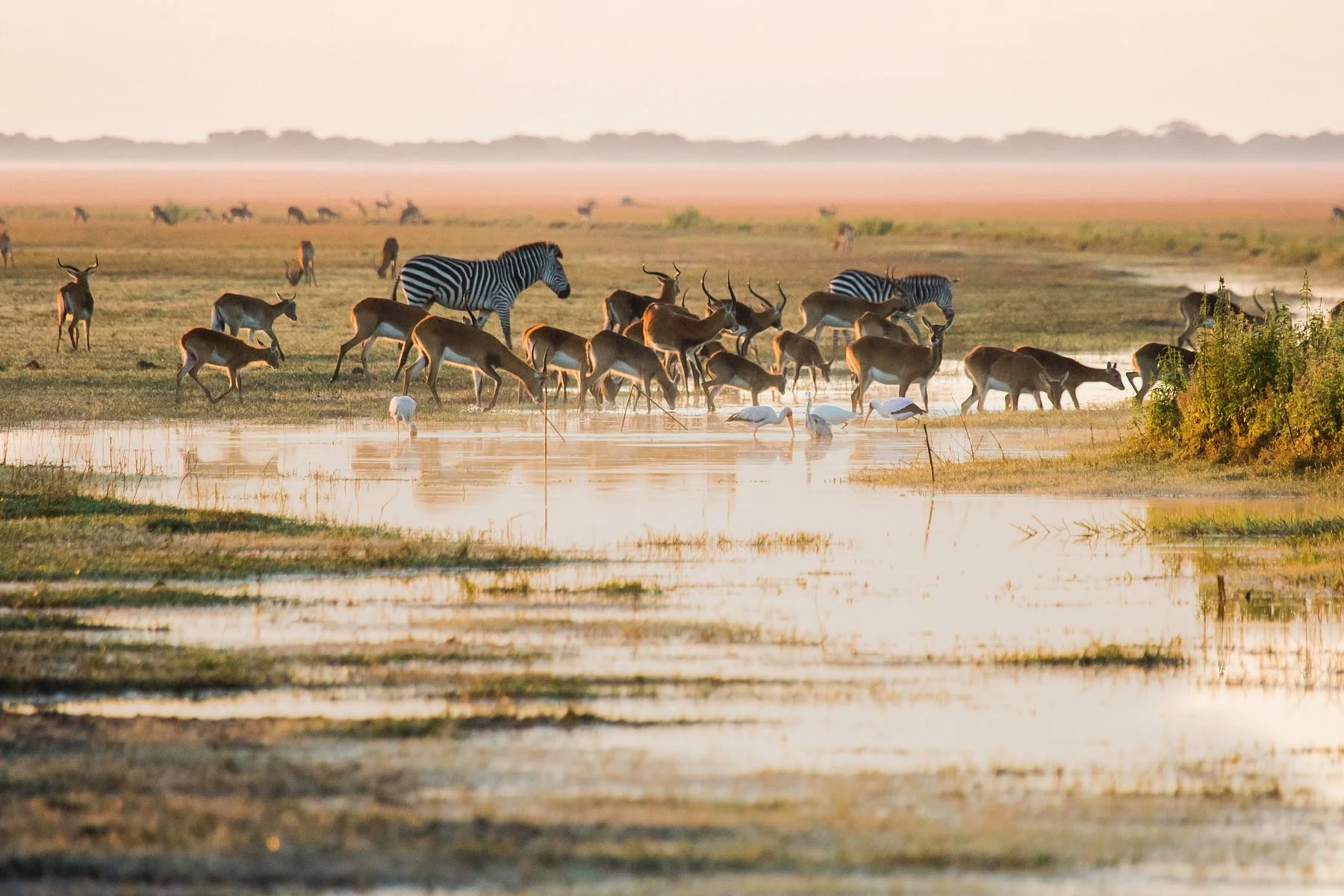
This September we’ll host one Private Expedition for a group of up to 12 guests.
September offers the final opportunity this year to experience the Great Migration in the Maasai Mara before the herds gradually begin their journey south again.
We take on a limited number of private safaris each year, allowing us to give every journey our full attention. So, only one spot is open for this September.
Or get in touch for the full itinerary: safaris@everwildafrica.com