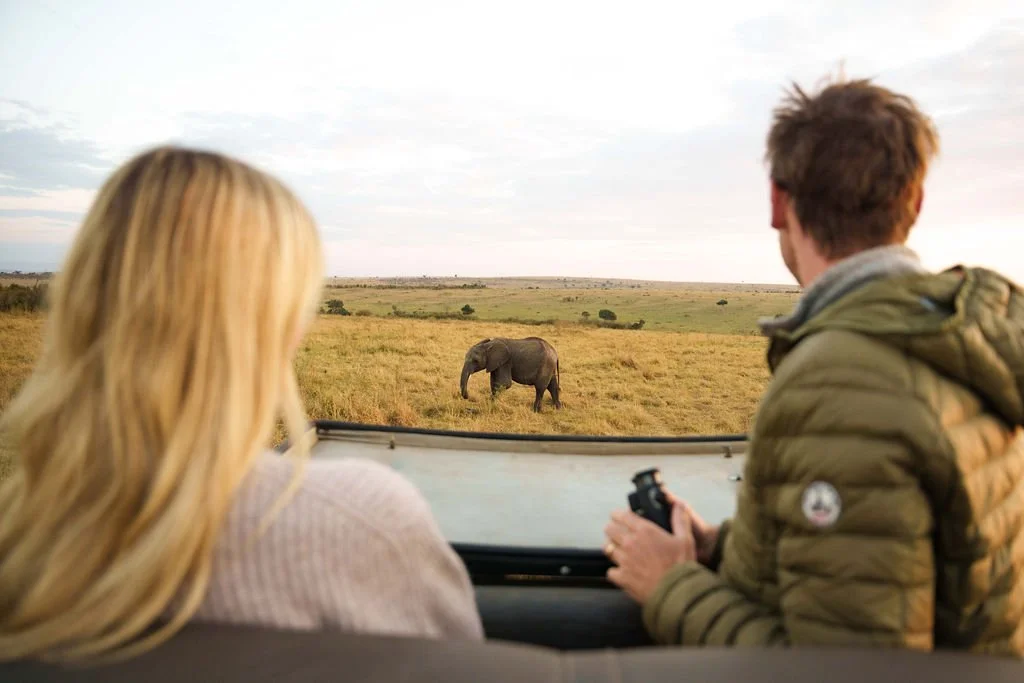
What We Carry Forward: 80 Years of Safari
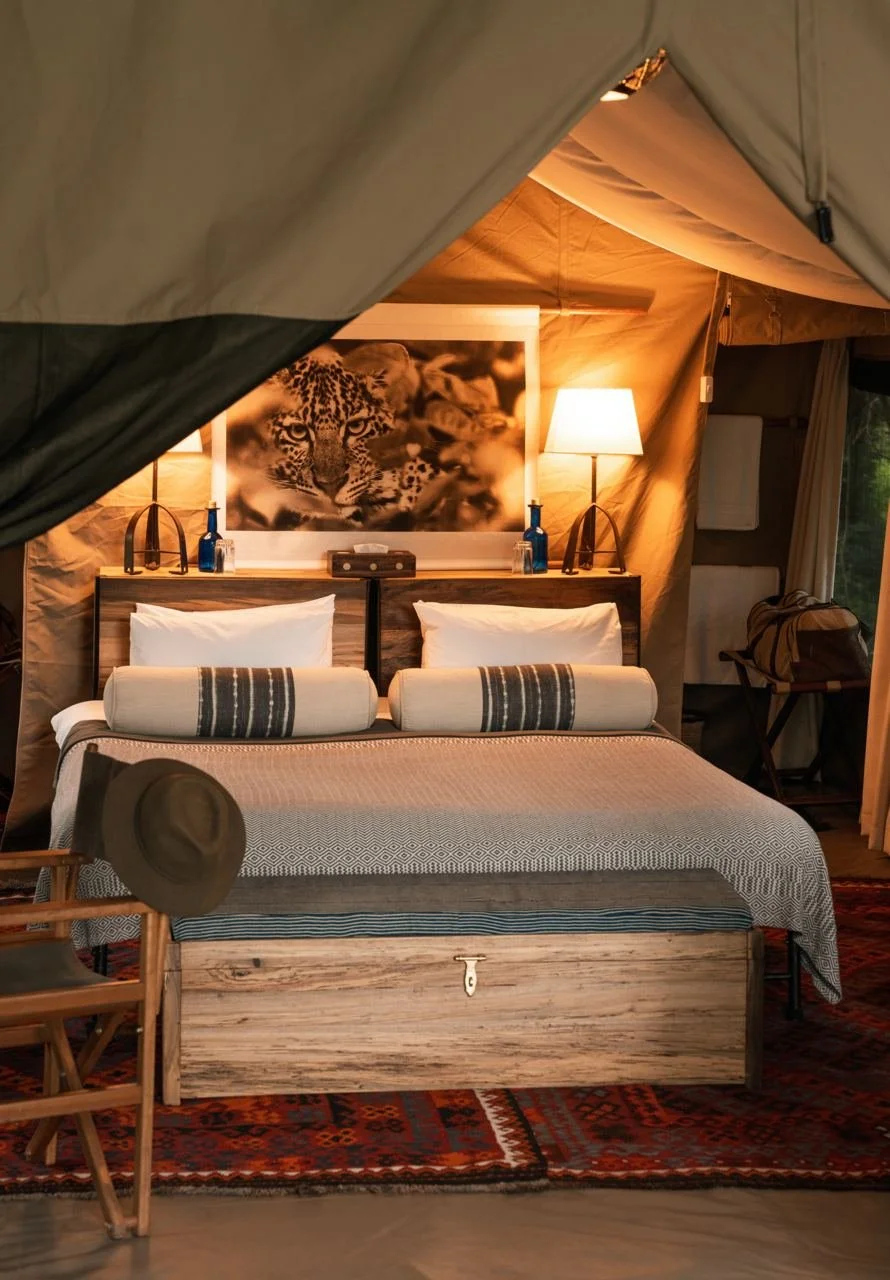
There is a lovely moment when you arrive in a mobile camp and realise that, somehow, everything is there.
Your bags have found their way to your tent. There is hot water for a shower, something delicious being prepared for dinner, and a chair in just the right spot to watch the evening settle in.
Making all this happen in the bush takes rather more work than it appears. Behind it is a team whose knowledge, ingenuity and care are as much a part of safari as the guide beside you.
This year, our partners at Ker & Downey celebrate 80 years of safari. We’ve worked with them since 2020, bringing our own approach to hosting and private guiding together with their experience in mobile camping. The anniversary feels like a good moment to look at where it all began, and the traditions we’re delighted to carry forward.
Education in the Bush
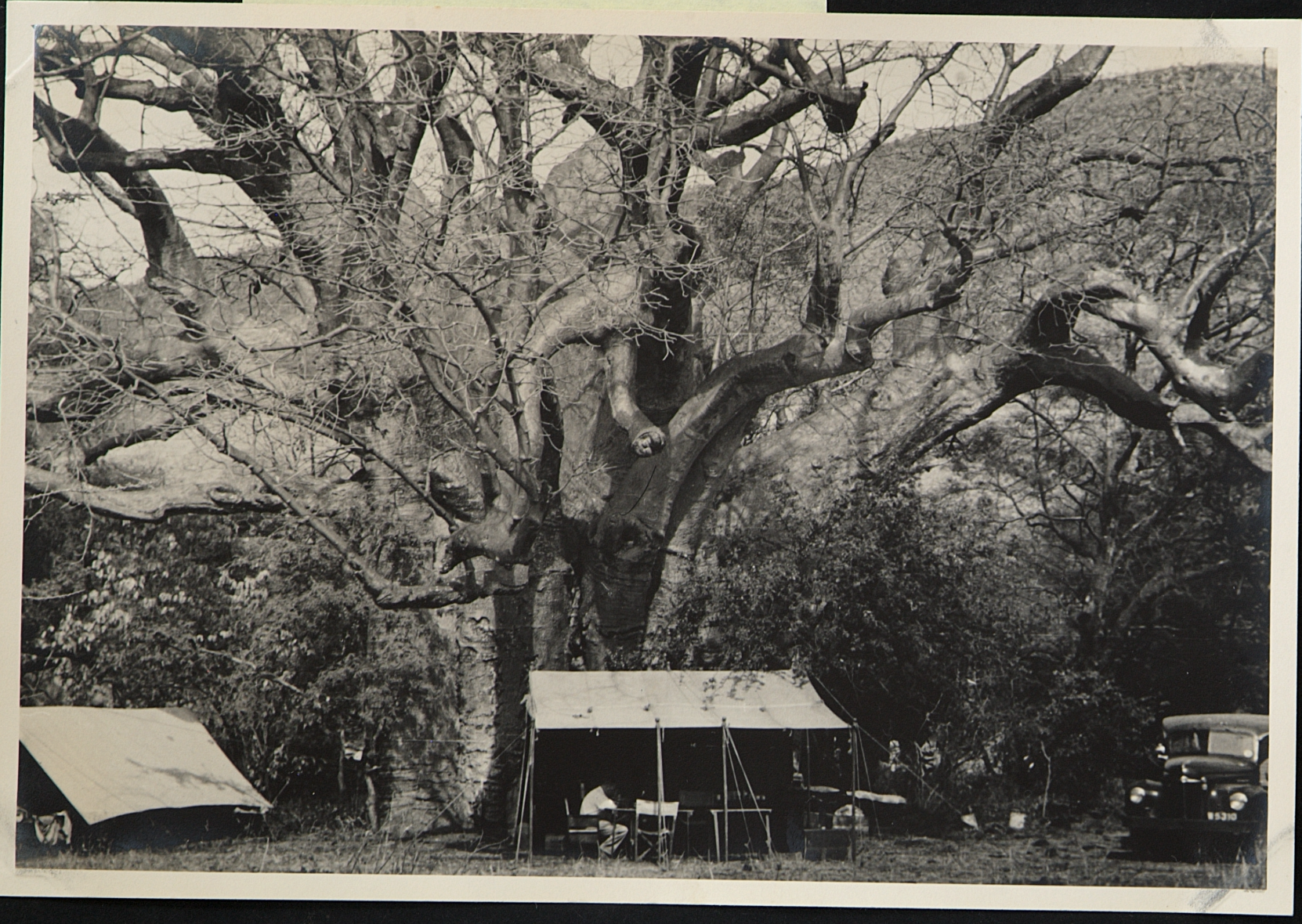
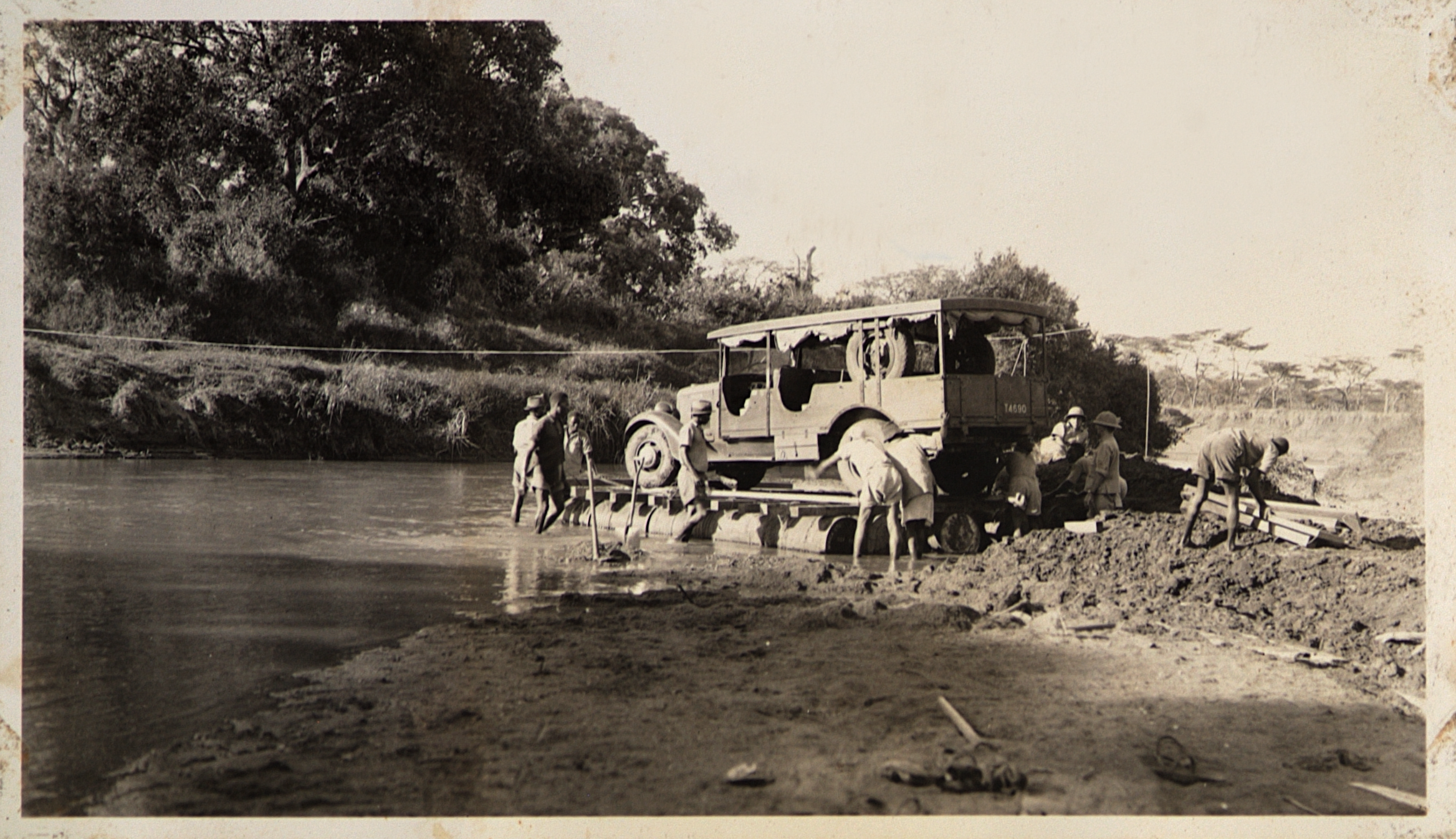
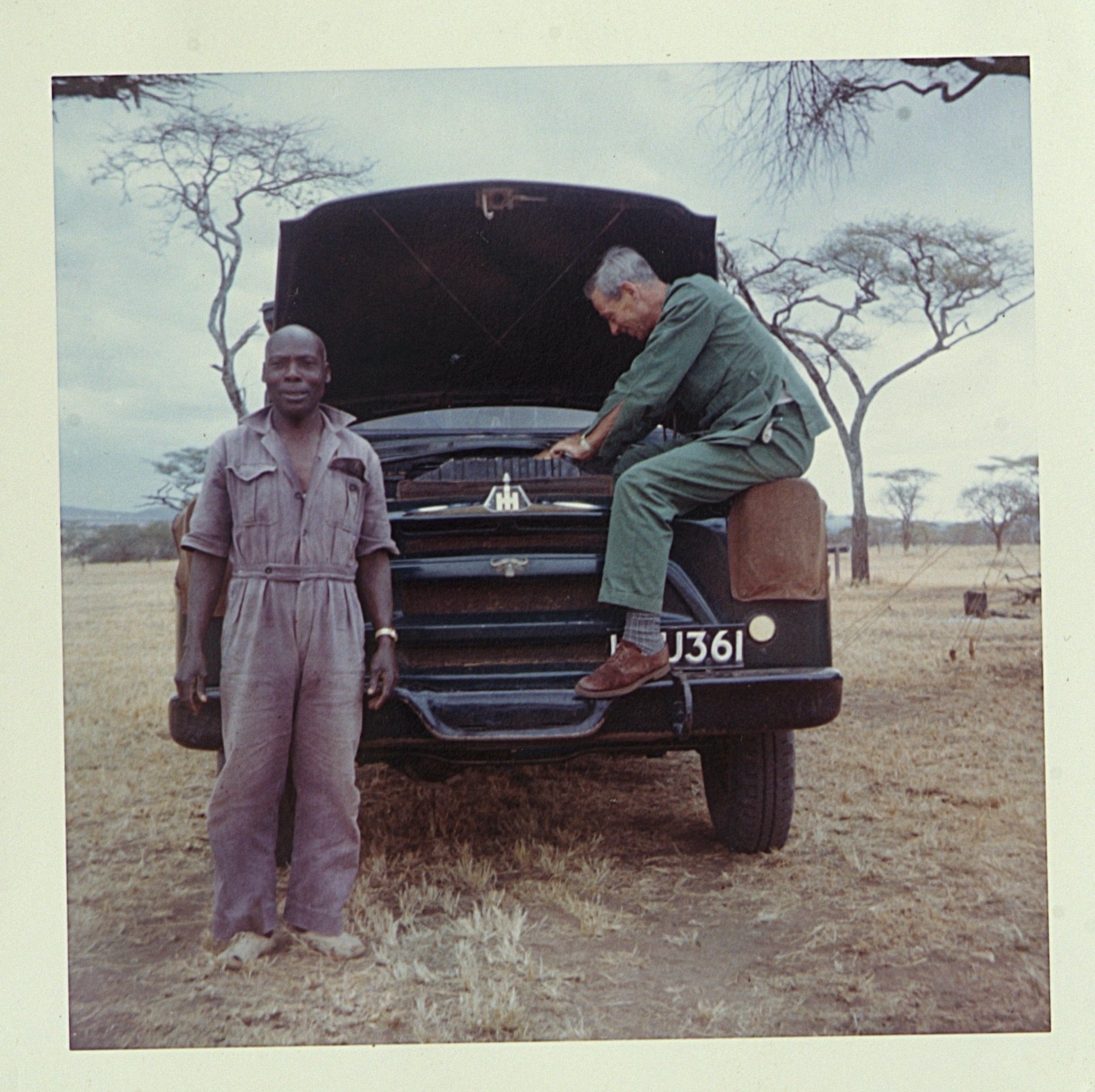
When Donald Ker and Syd Downey founded Ker & Downey in 1946, safaris could last for weeks or months. Roads were unpredictable, communication was limited, and a guide needed to be a naturalist, mechanic, medic and problem-solver, sometimes all before lunch!
Much of that knowledge came from people who knew the land intimately. Trackers, drivers and camp crews taught generations of guides how to find their way, recognise animal behaviour and manage the practical business of travelling through the bush.
Tony Archer, who guided in the 1960s, remembered Abakuna, a brilliant herbalist who taught him about bush plants, and Wilson Owaka Yonga, his driver, who taught him how to drive in the wild. Much of the craft of safari was learned this way: out in the bush, in good company, with someone more experienced showing you what to look for.
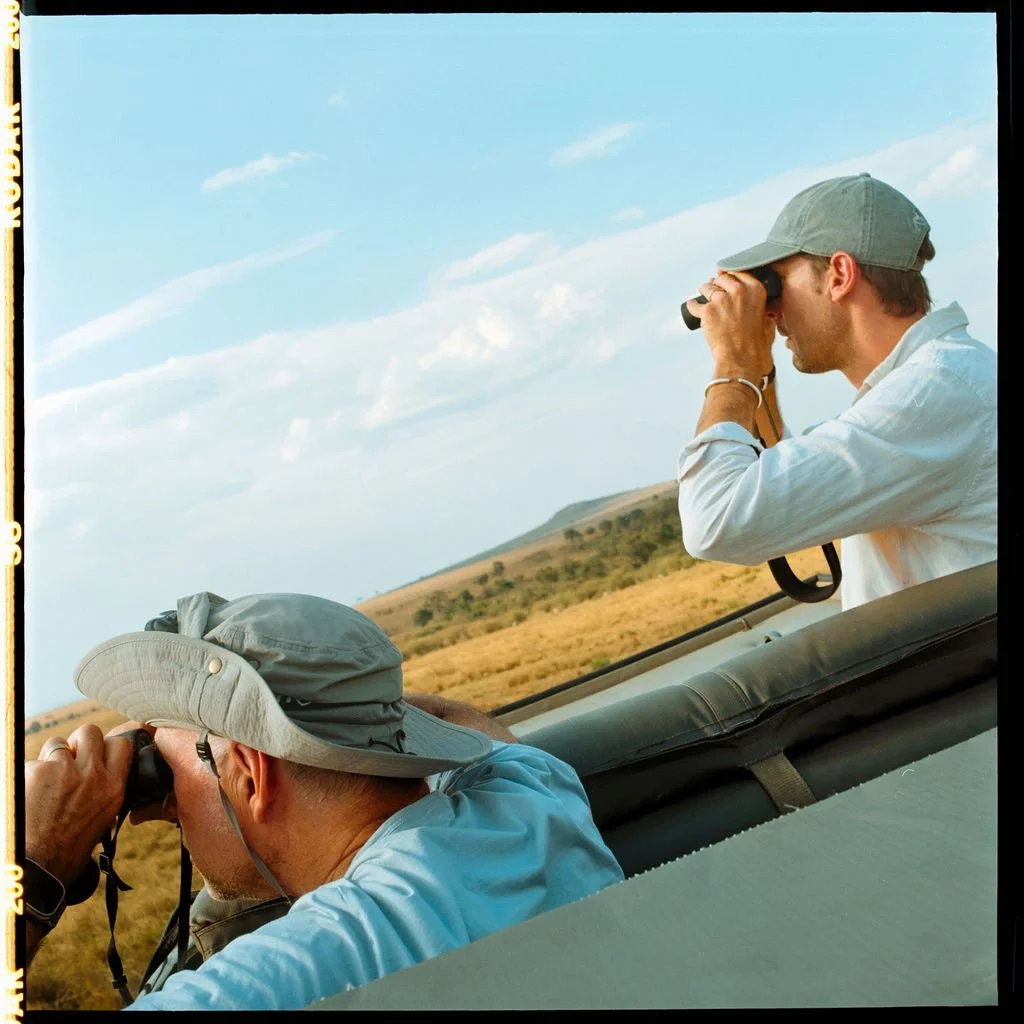
You can still see the value of that experience today. It might be a guide noticing something in the grass that everyone else has missed, or a camp crew knowing exactly how to make guests comfortable when the weather has other ideas.
Safari on the Silver Screen
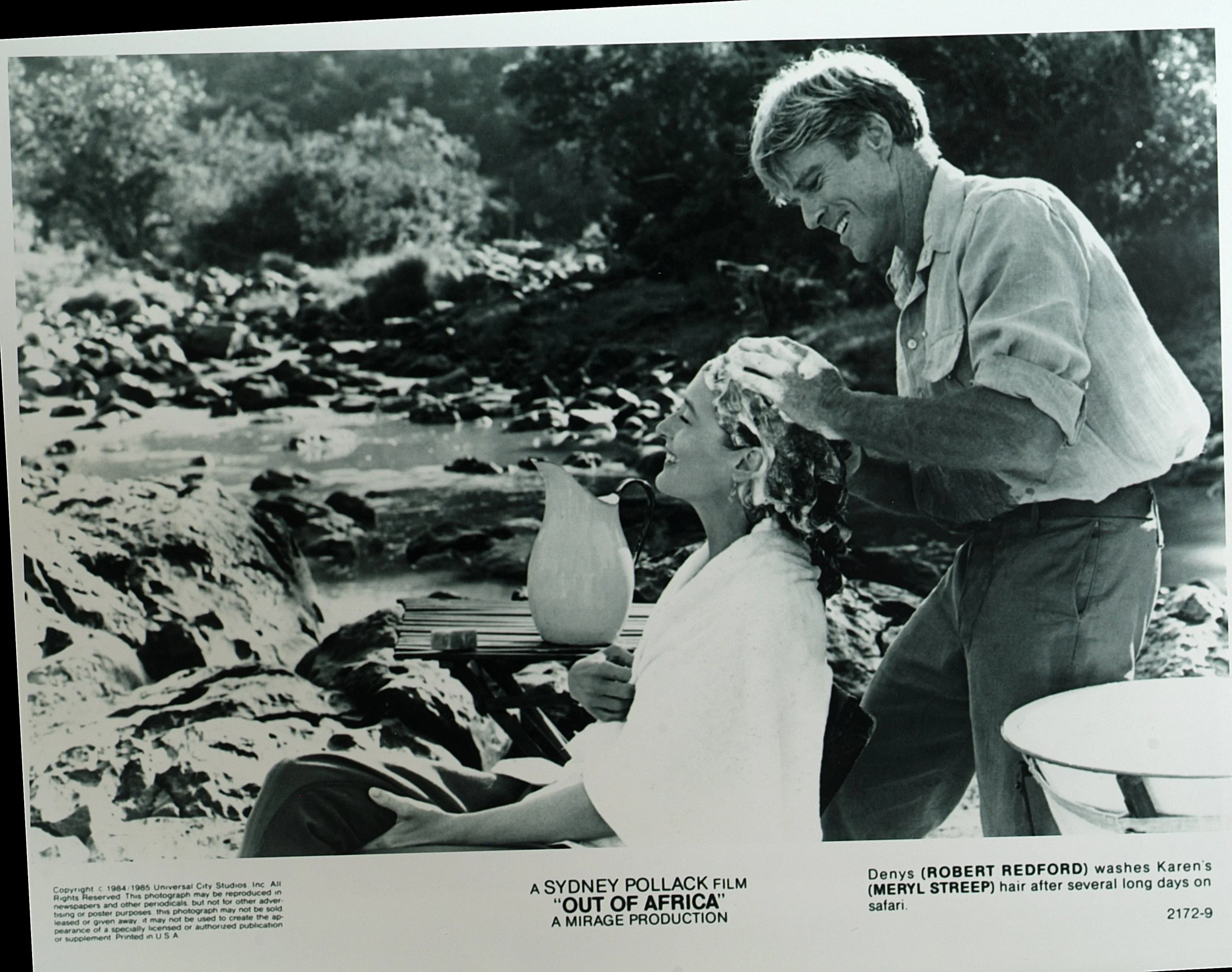
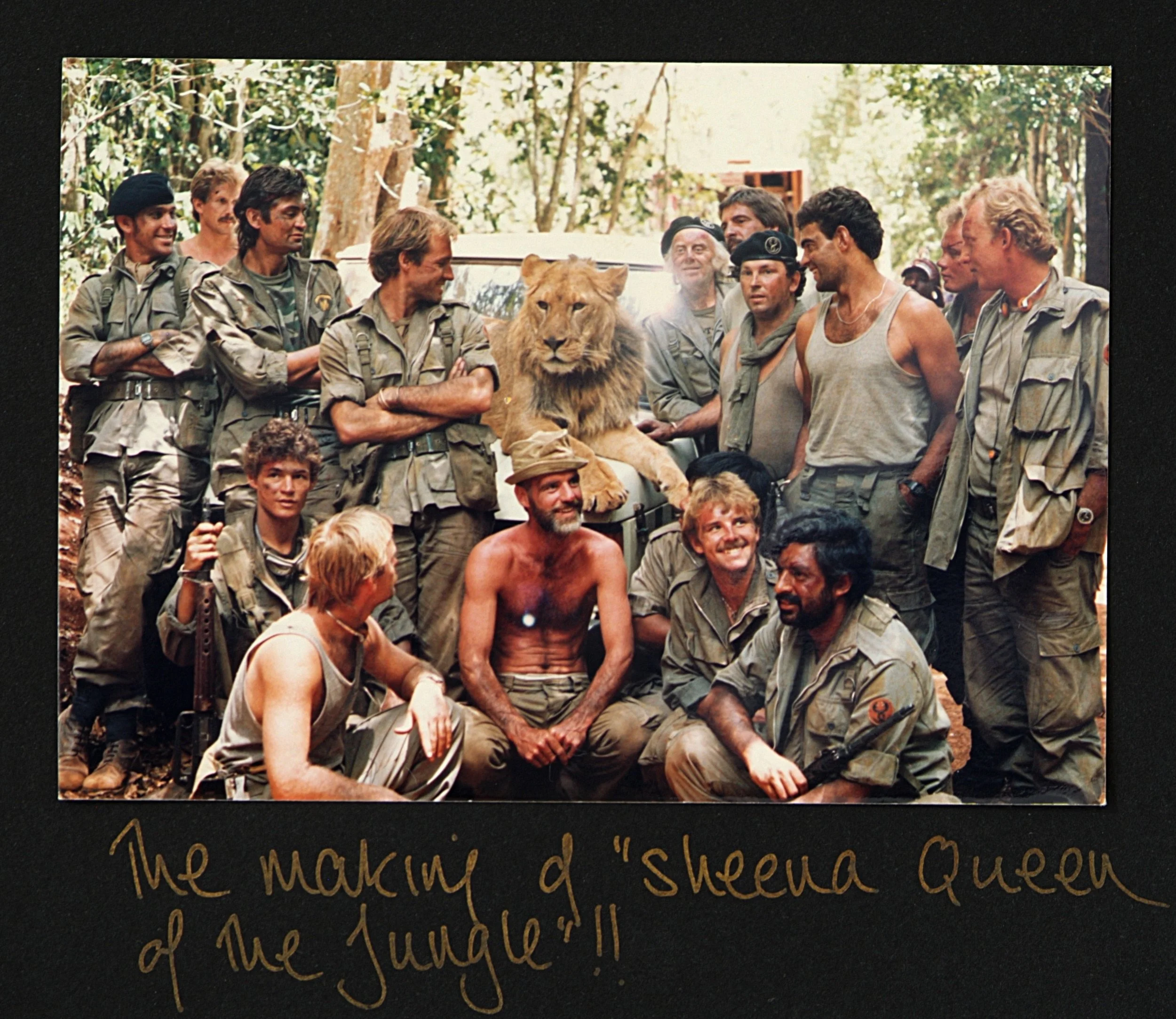
Ker & Downey’s history also has a distinctly cinematic chapter. Its first safari was connected to The Macomber Affair, and later work included Mogambo, Out of Africa and Gorillas in the Mist.
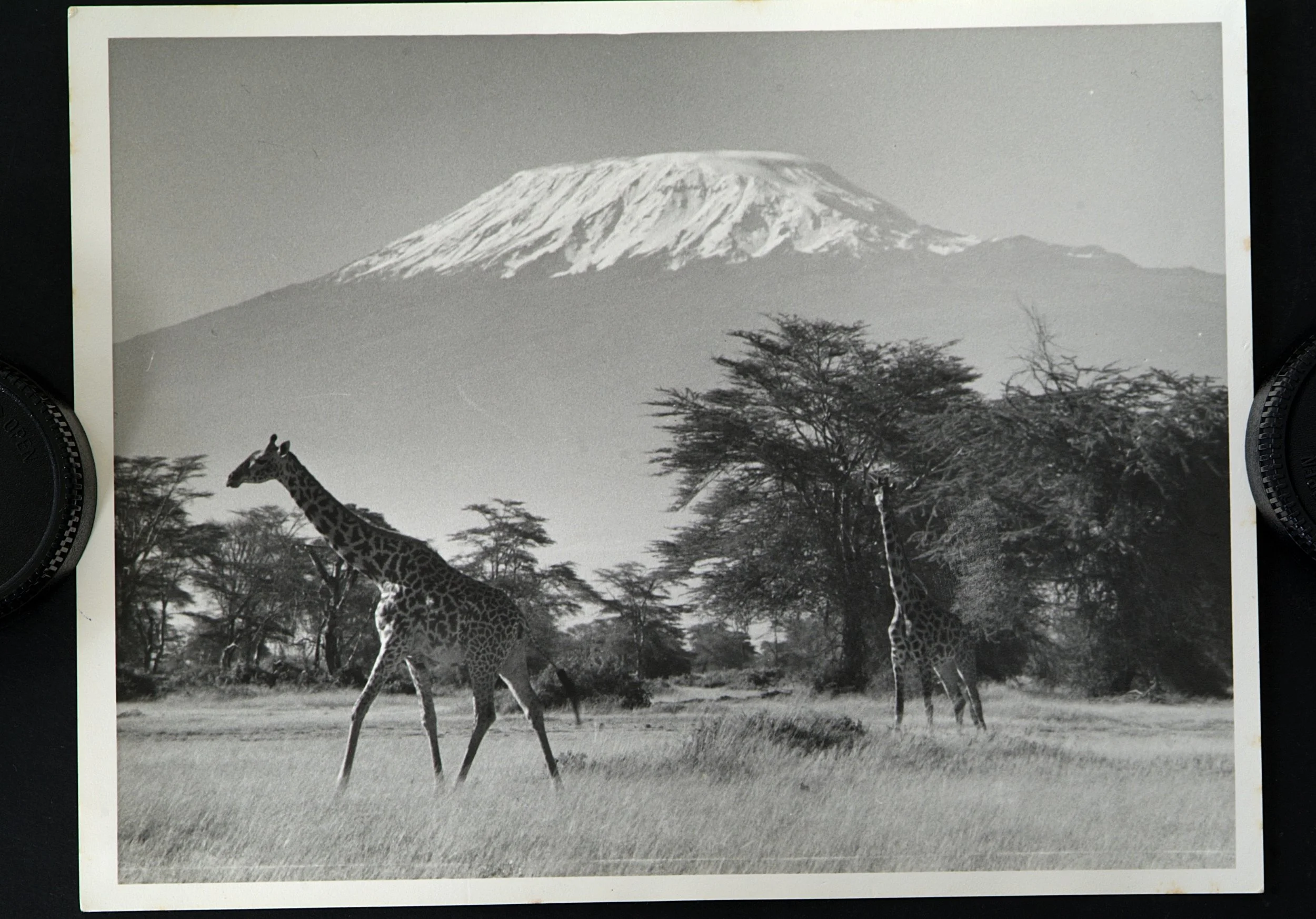
For many people, films like these offered a first glimpse of East Africa. The landscapes became familiar long before they ever stepped onto a plane.
Of course, being here is a different pleasure altogether. A film cannot quite give you the smell of the bush after rain, the sound of an animal moving beyond your tent, or the considerable excitement of discovering what made those tracks outside overnight.
Those are the details that become your own stories.
A Home Under Canvas
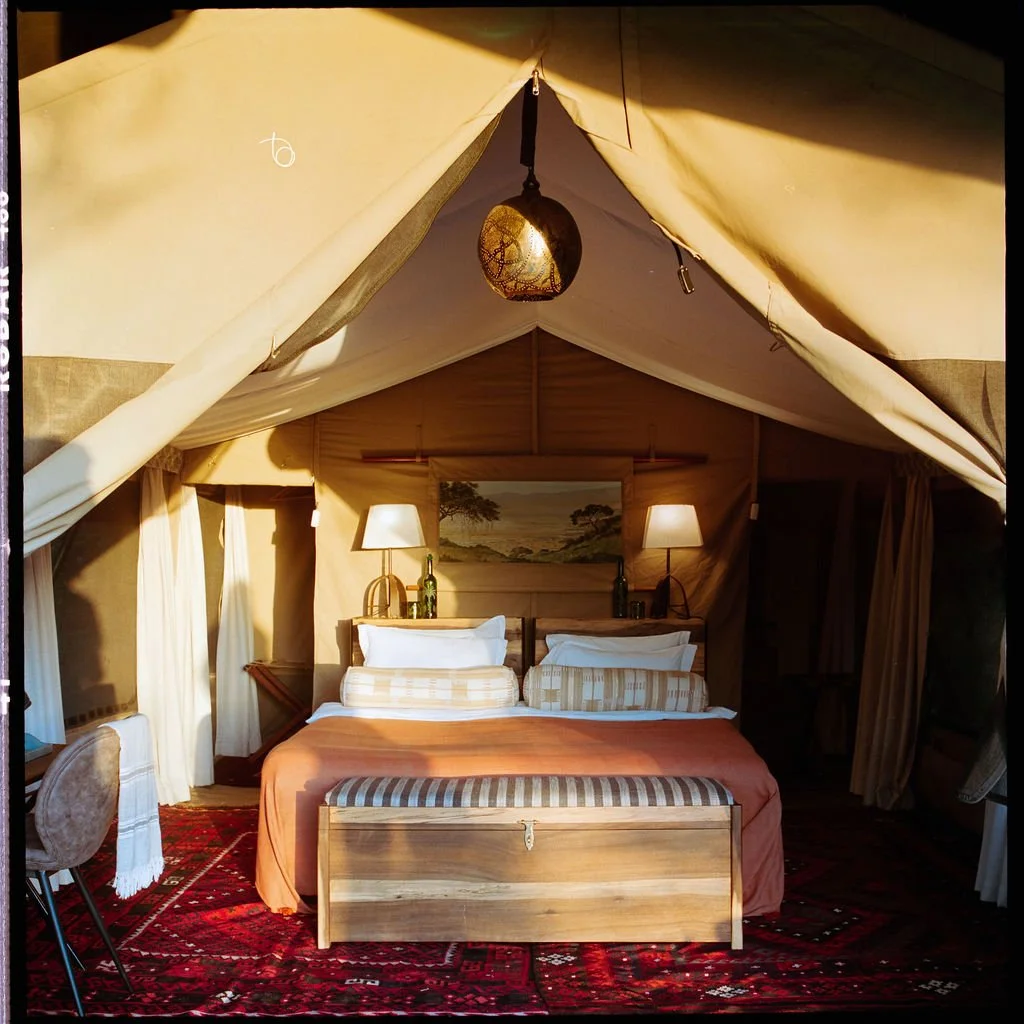
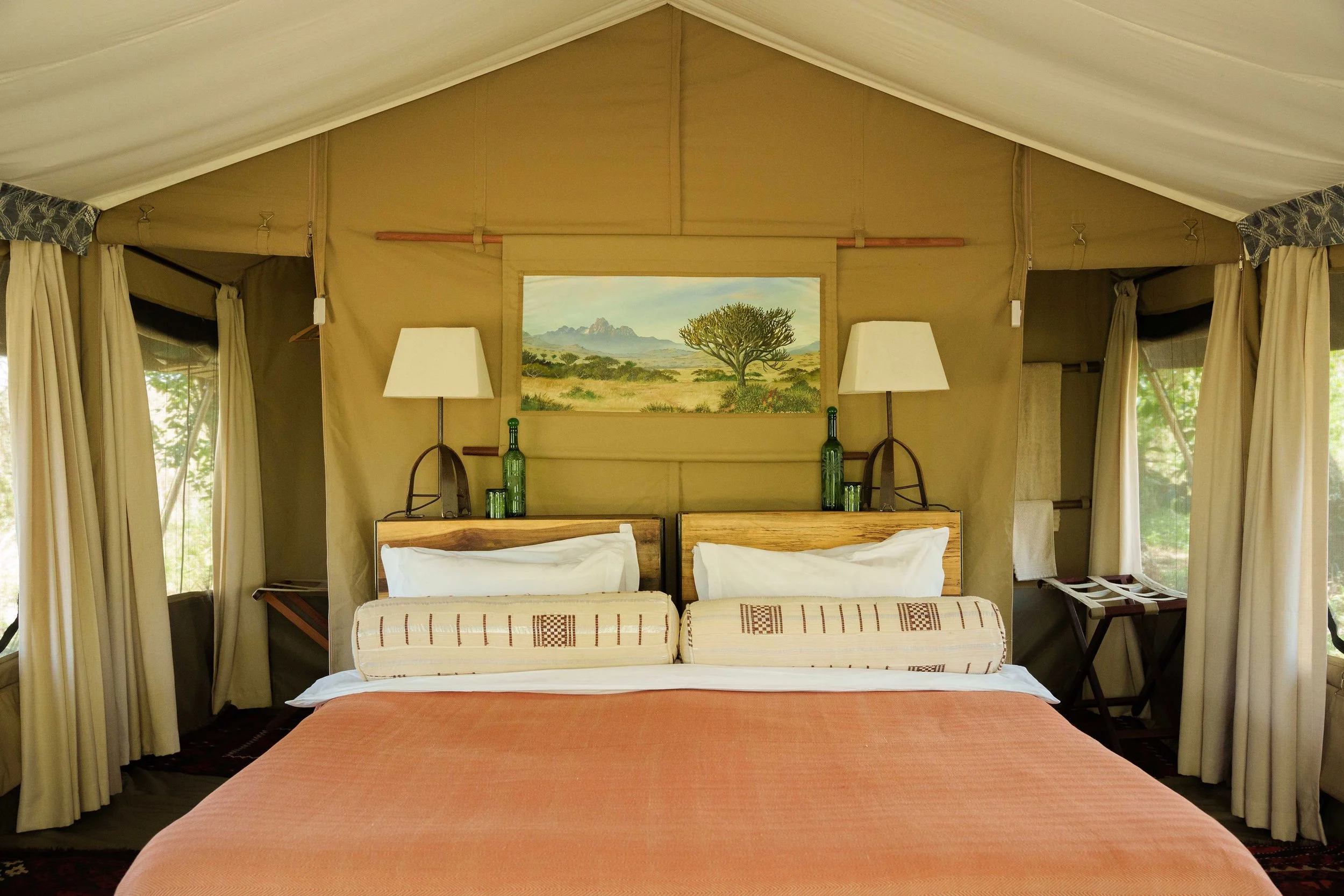
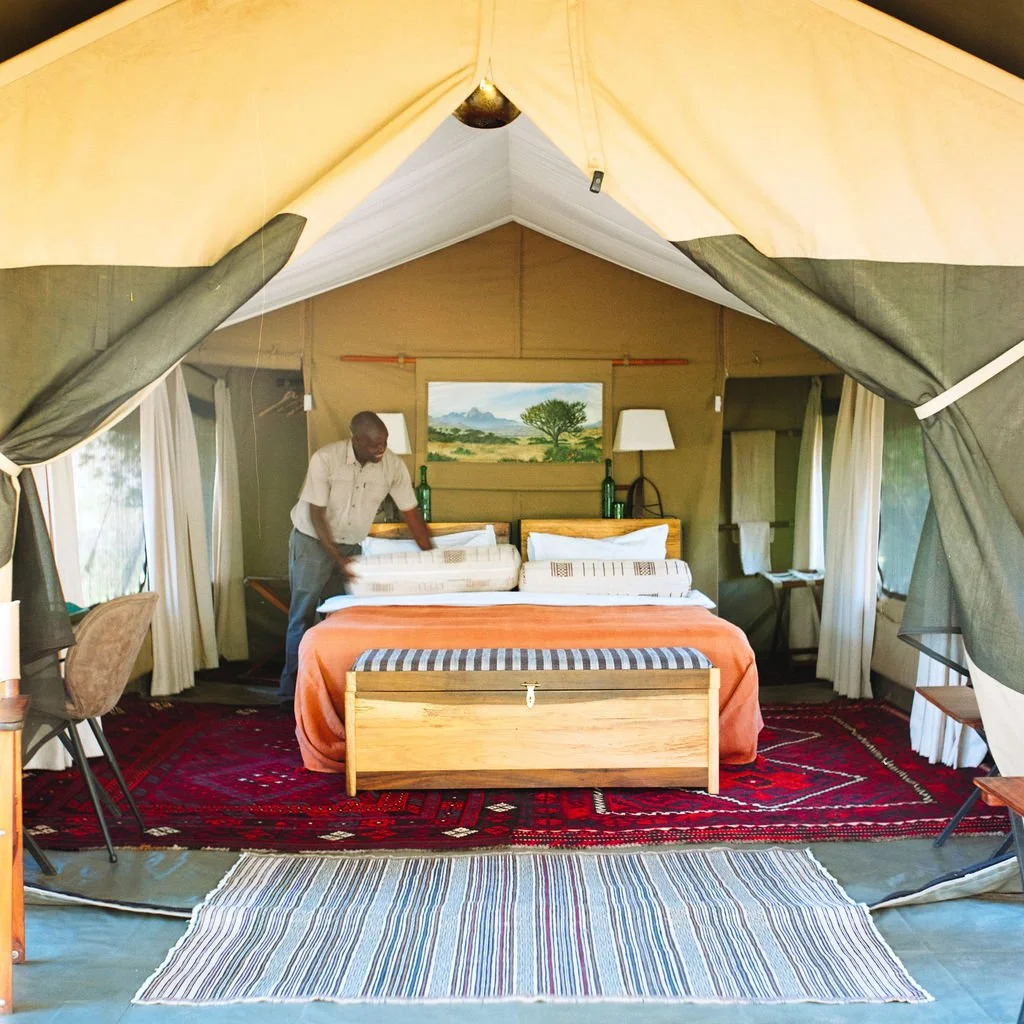
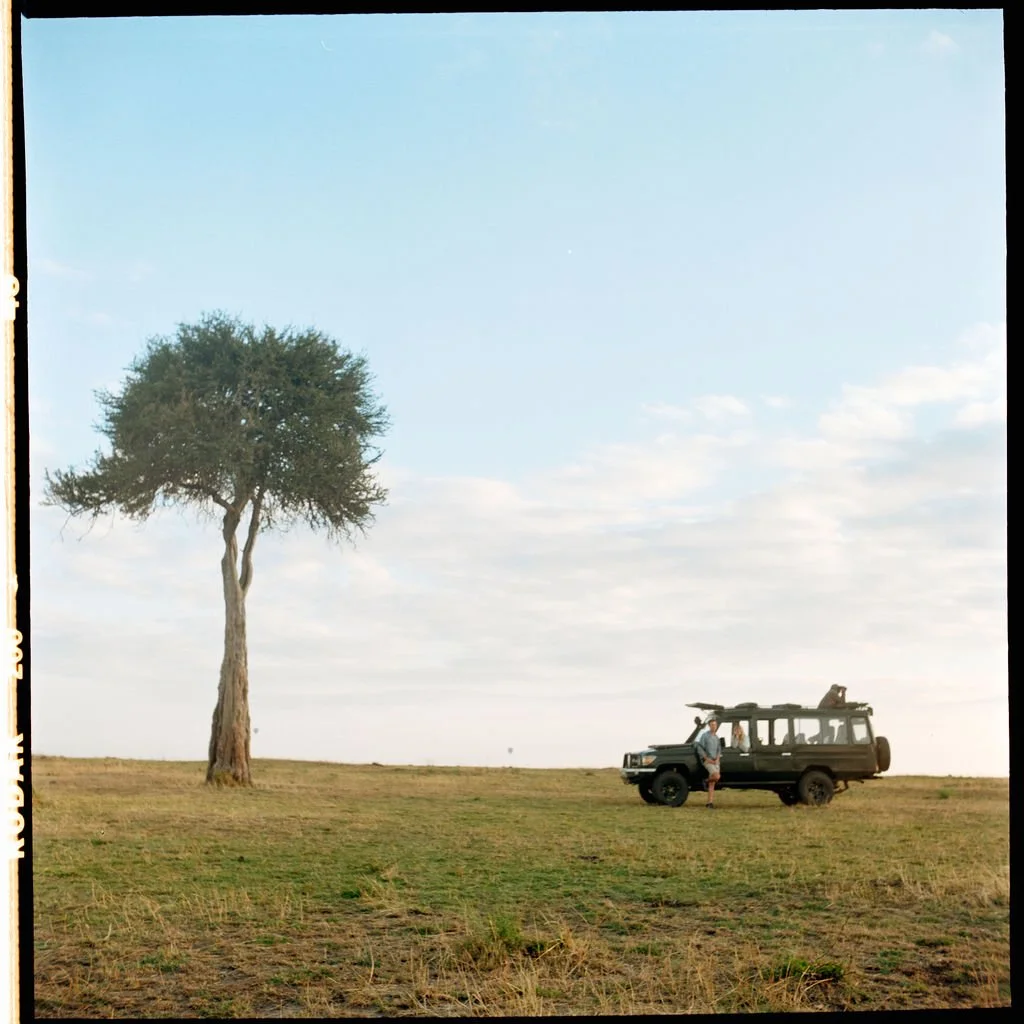
Mobile camping has long been at the heart of Ker & Downey’s approach. It allows the camp to serve the journey, with sites chosen to suit the season, the landscape and the route.
The team prepares everything before guests arrive and packs it away after they leave. A move between locations involves a great deal of planning, loading and setting up again. Guests are spared most of the logistics, which is exactly as it should be.
What they get is the pleasure of a temporary home somewhere extraordinary.
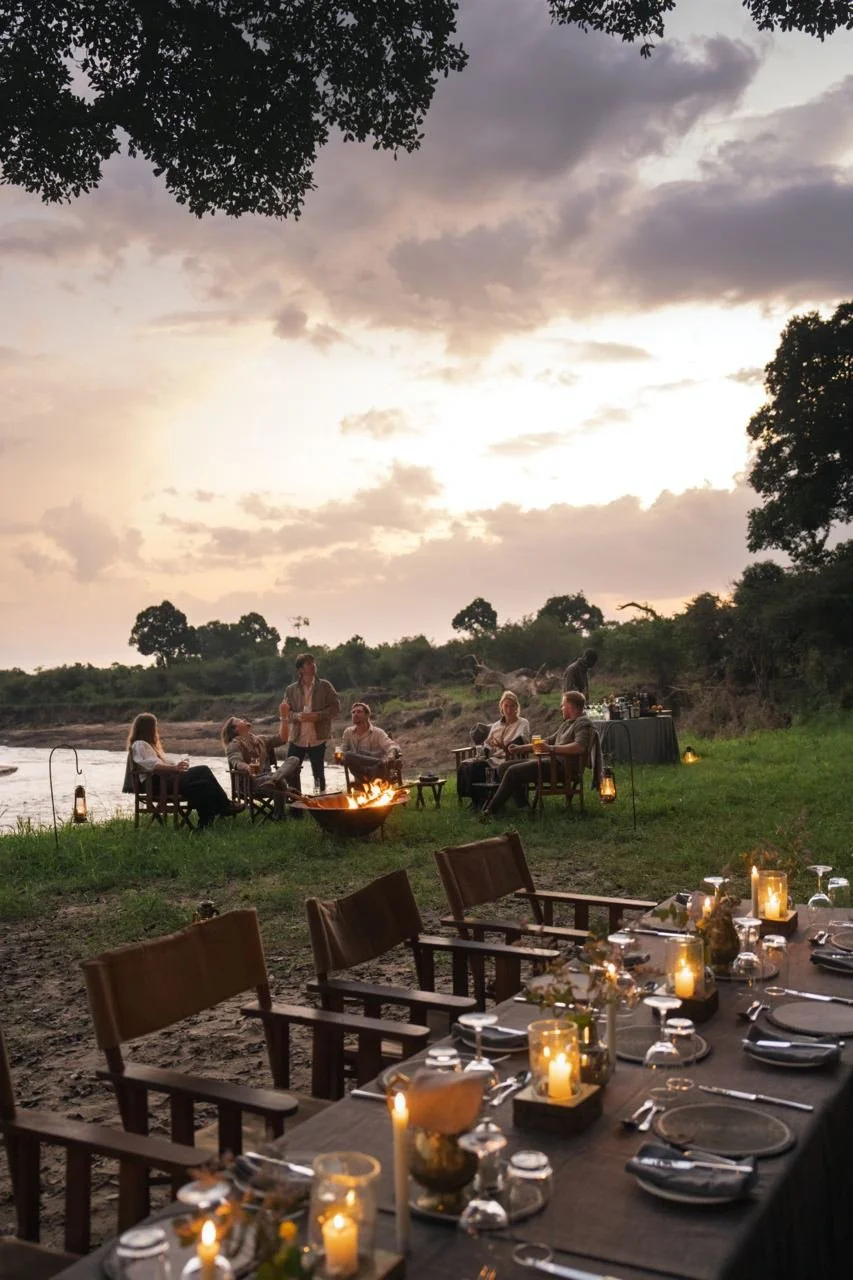
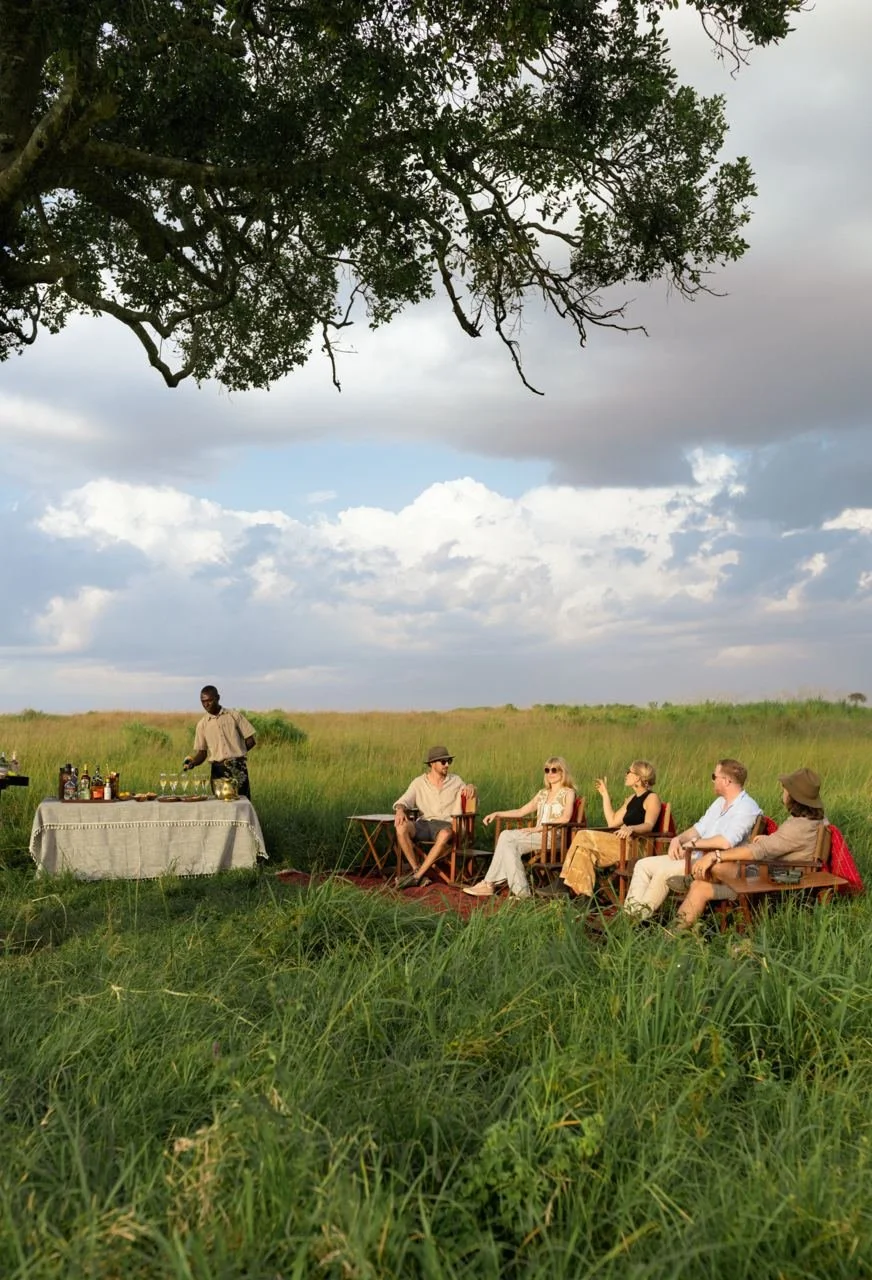
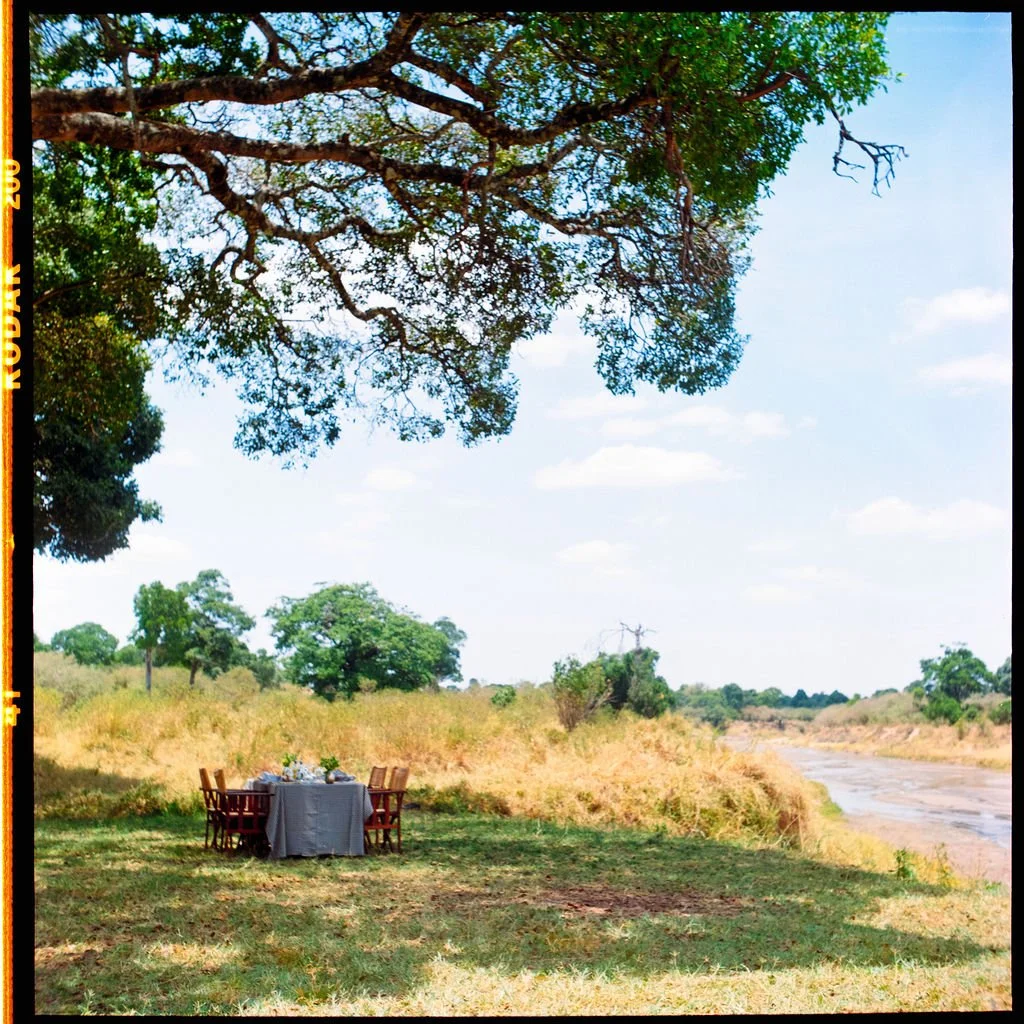
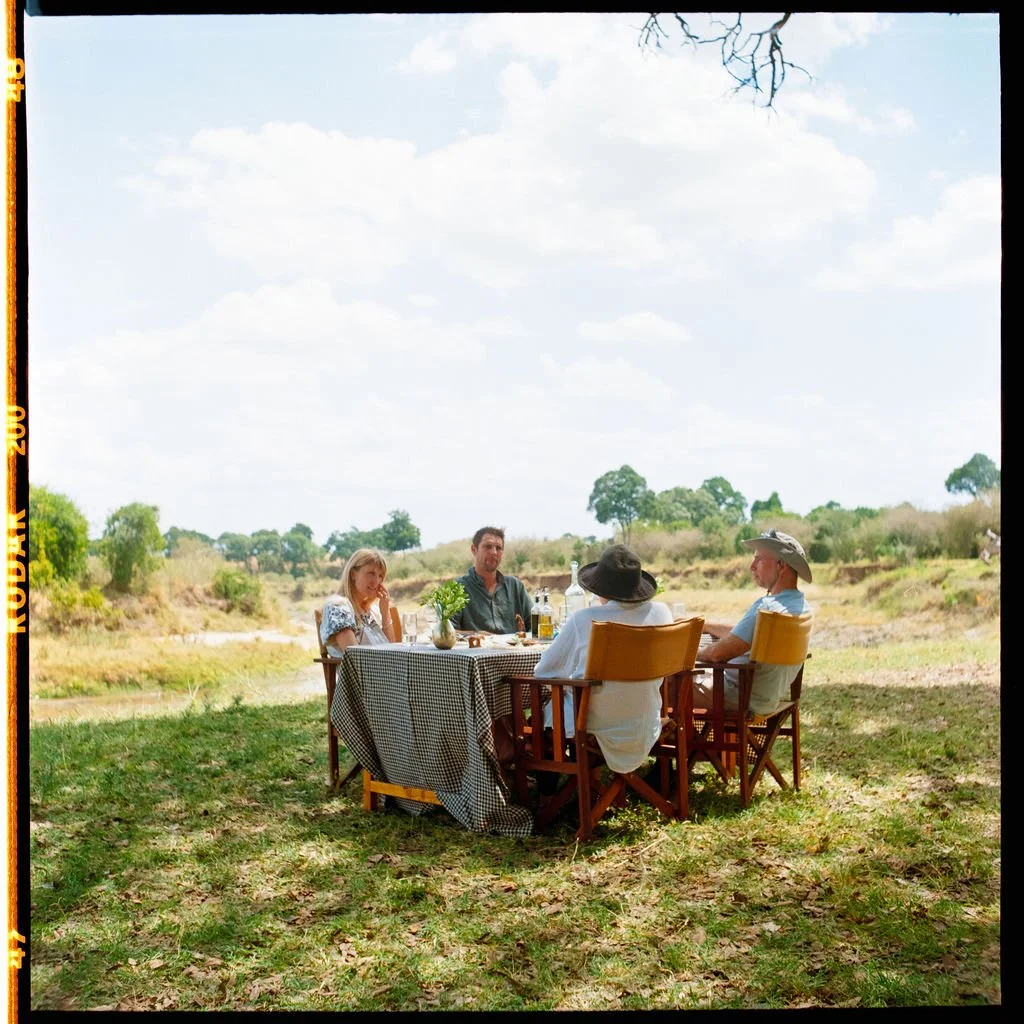
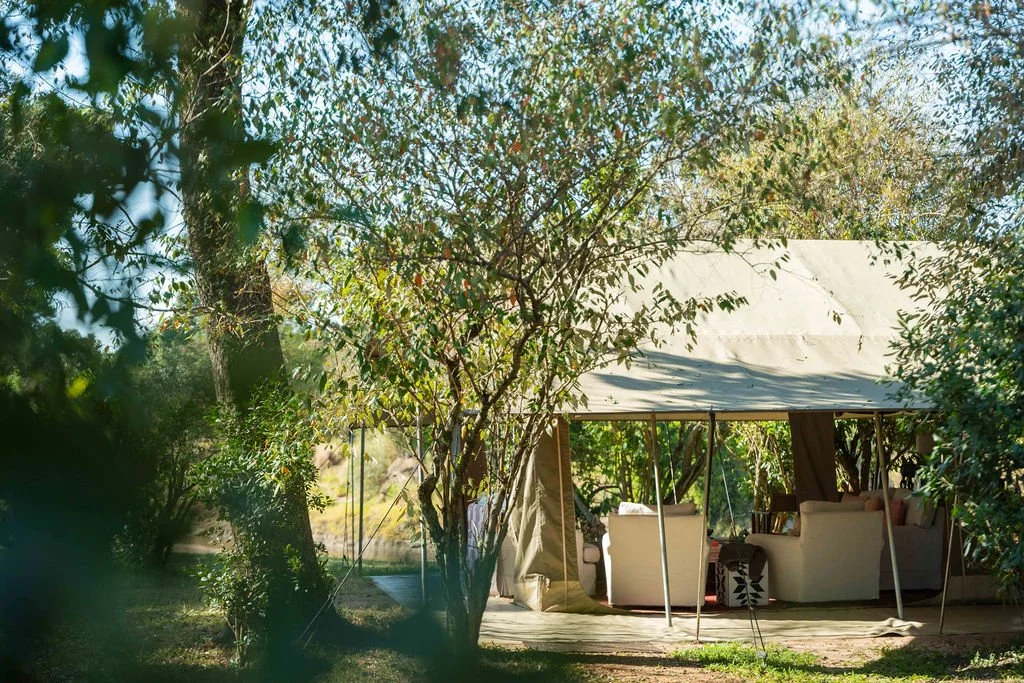
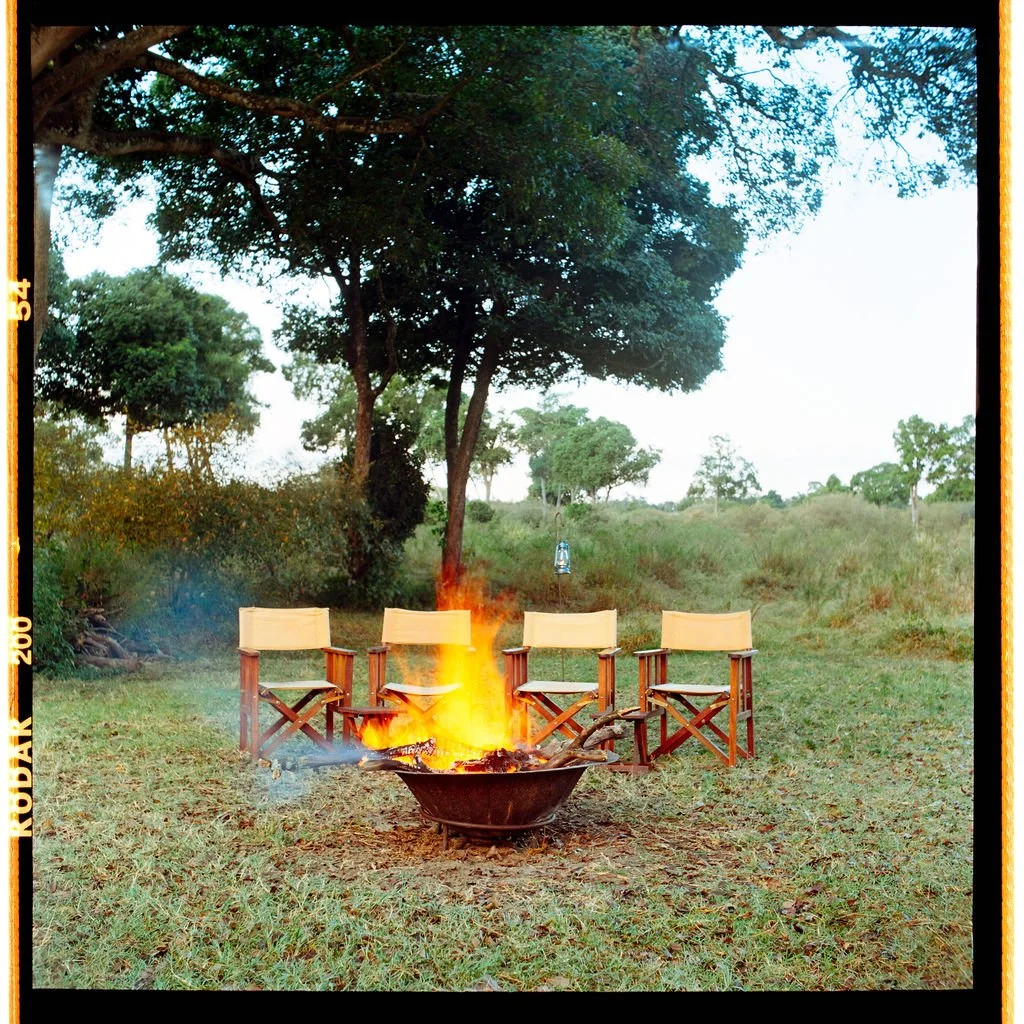
There is something wonderfully sociable about camp life. Breakfast plans are discussed over coffee. People return from a drive with competing versions of the same sighting. A drink around the fire becomes dinner, and dinner becomes a conversation nobody is quite ready to leave.
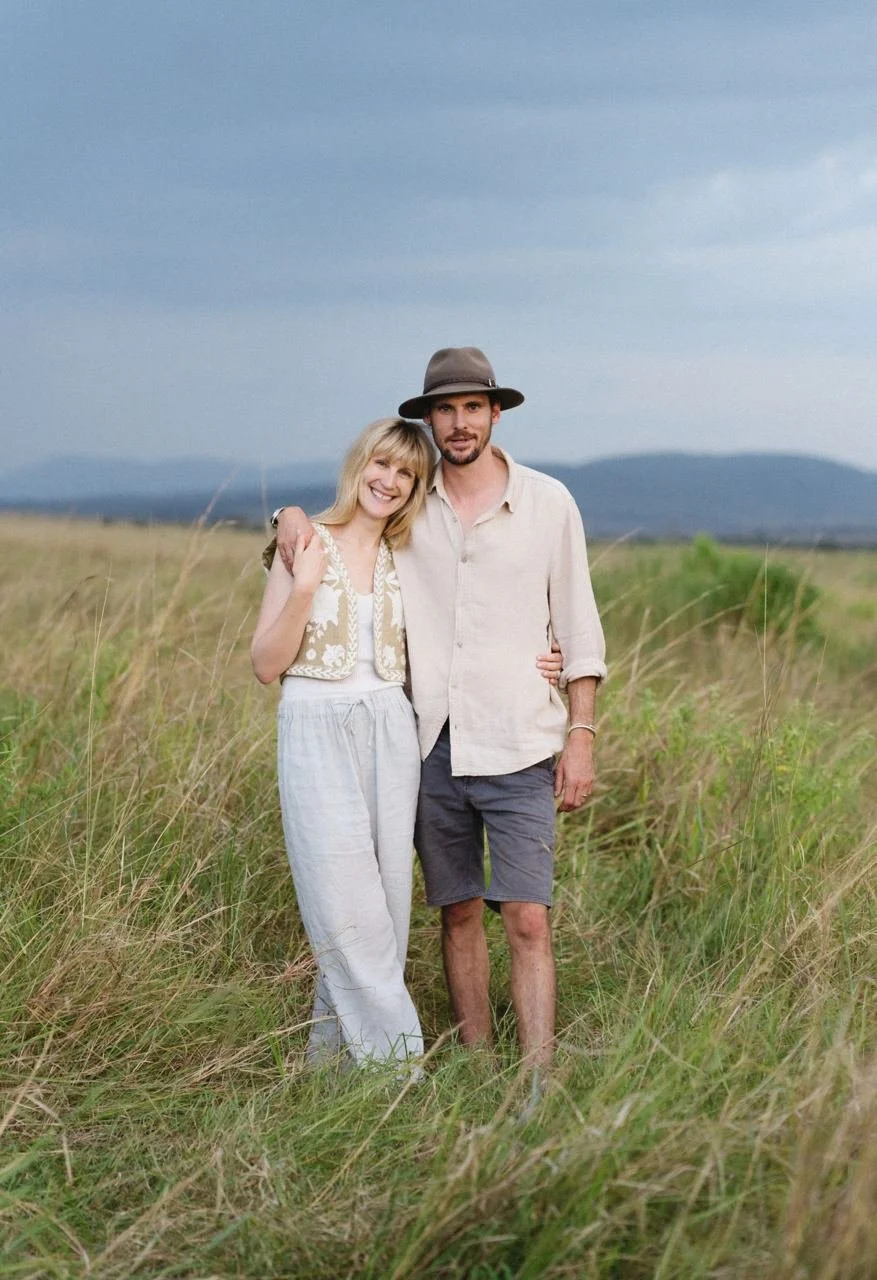
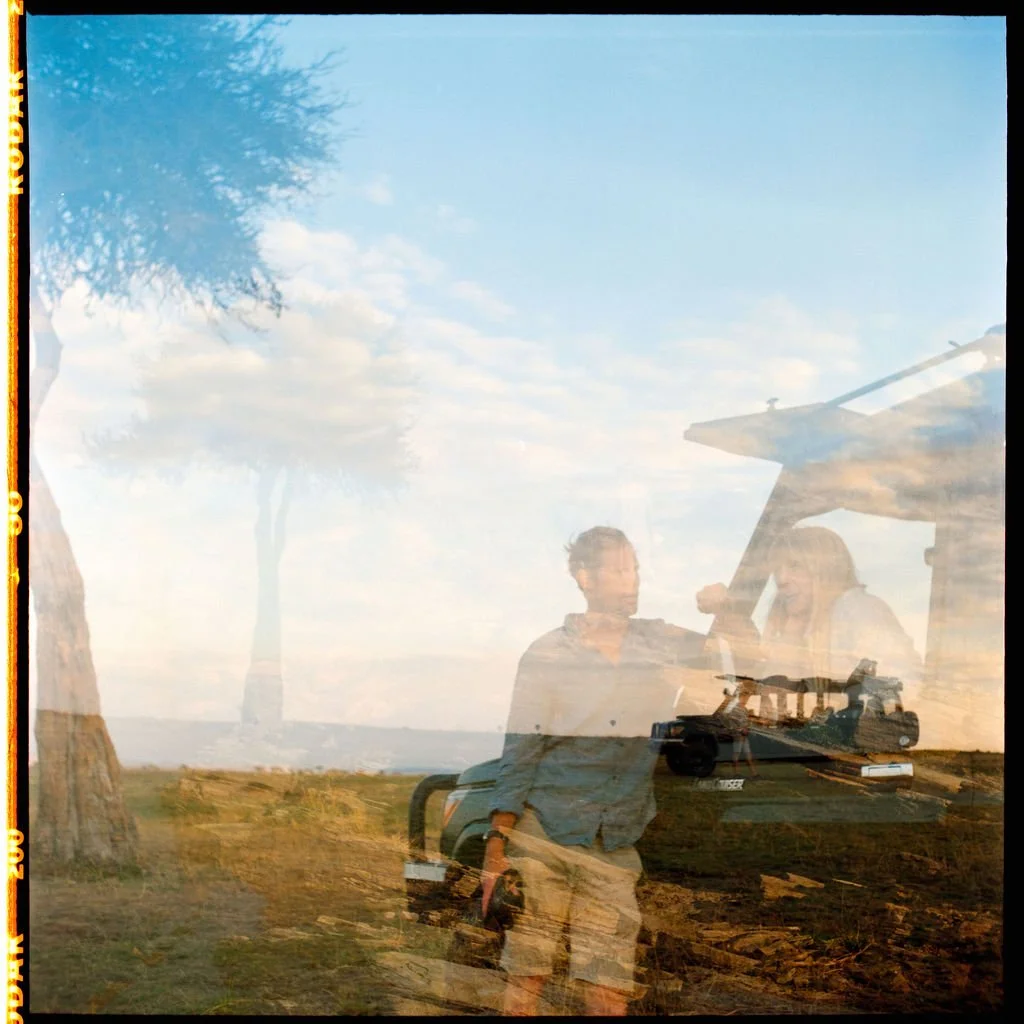
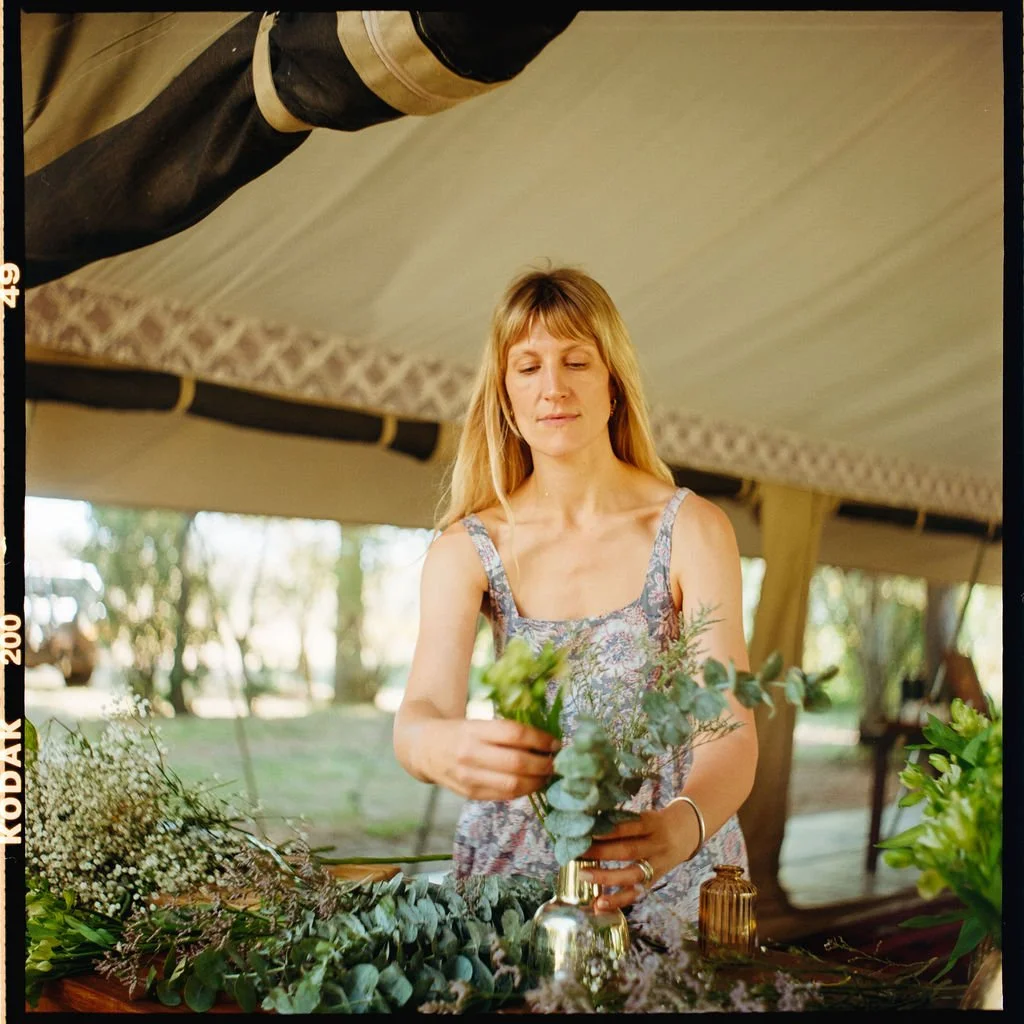
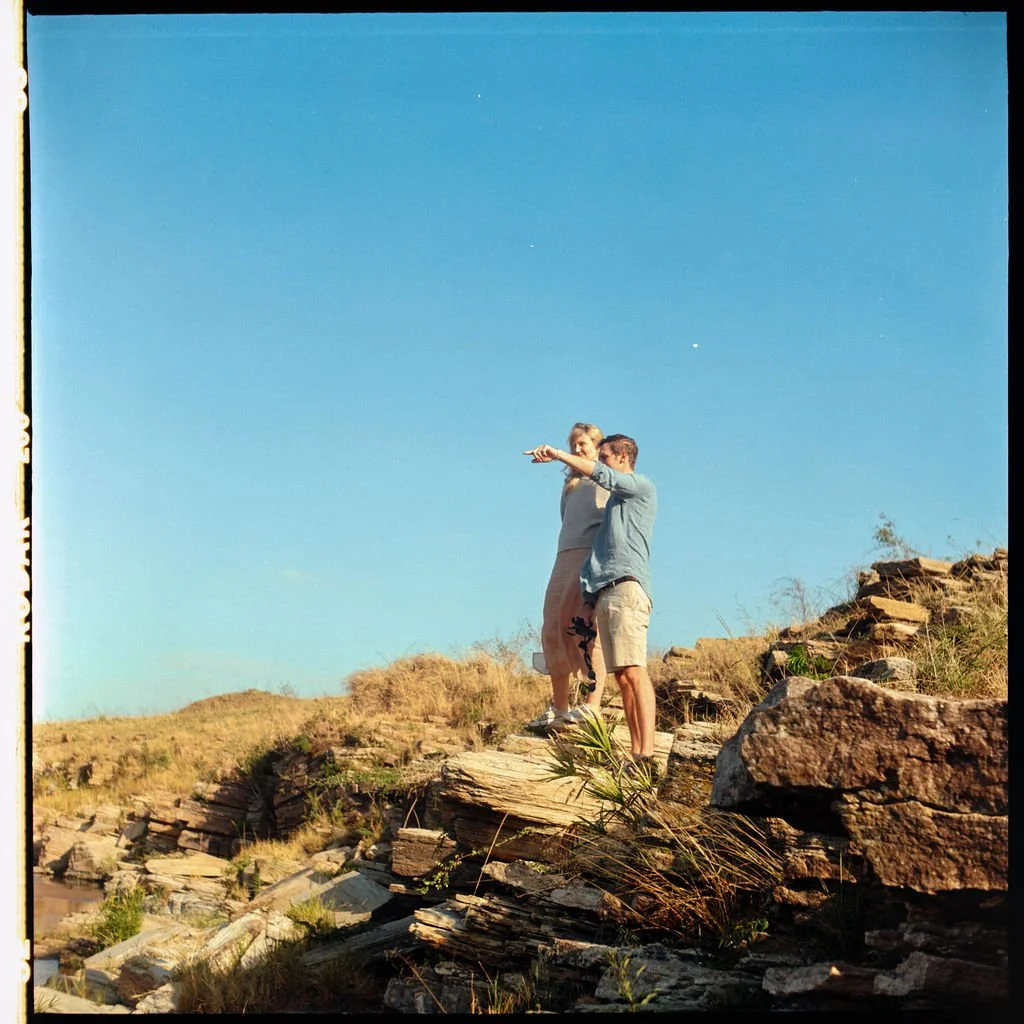
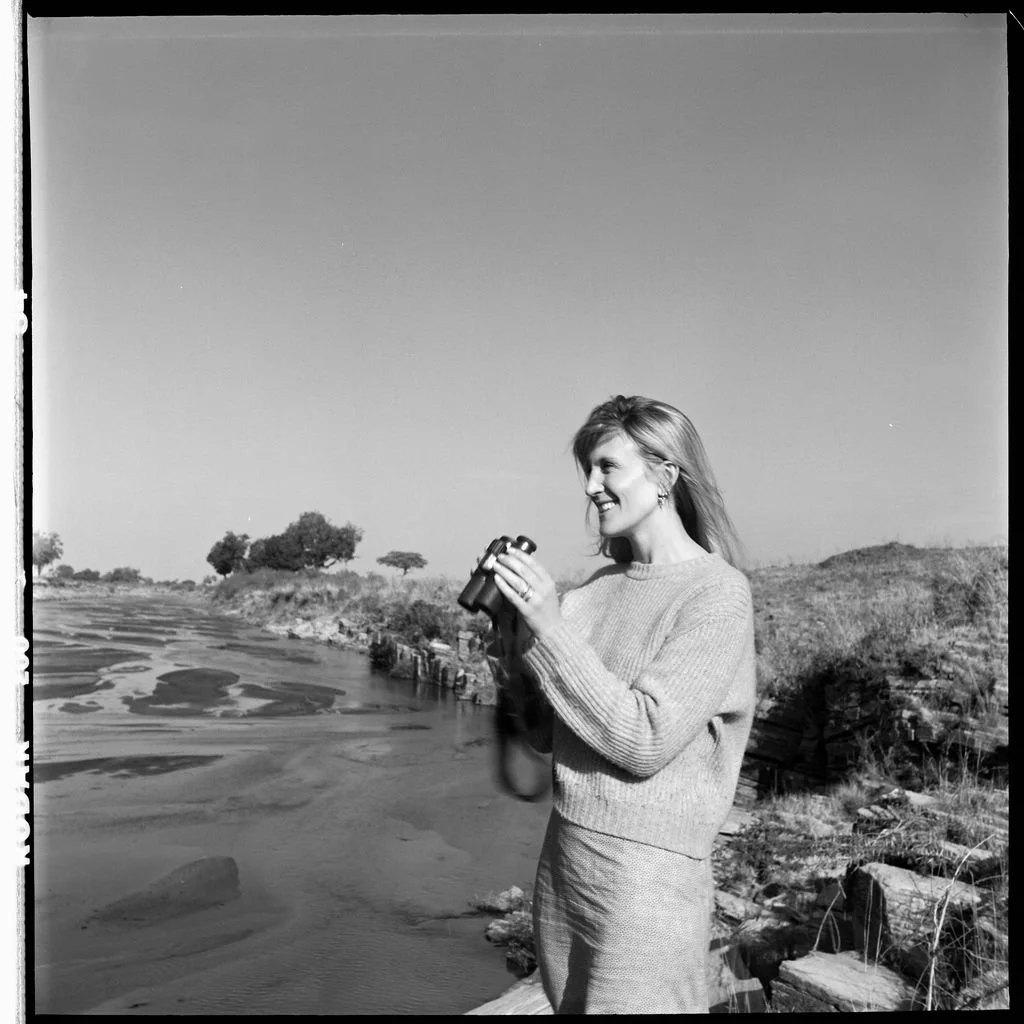
This is where we bring our own character to the tradition. Hannah’s love of food, textiles and welcoming people shapes life in camp, while Finlay brings his guiding experience and photographer’s eye to the days out exploring. The camp becomes a place for your family and friends to settle in together, with a team looking after the details.
A Changing Relationship with Wildlife
The history deserves an honest telling. Ker & Downey began in the era of professional hunting. By the early 1960s, Donald Ker and Syd Downey had moved away from hunting towards photographic safaris, and wildlife protection became an increasingly important part of their work.
Syd advocated for the protection of lionesses, female rhinos and cheetahs in the Maasai Mara, and both founders supported efforts to protect the Mara itself.
That change is part of the story, too. Over eight decades, safari has evolved alongside our understanding of wildlife and our responsibilities towards the places we visit.
Tony Seth-Smith, another guide from the 1960s, believed his greatest contribution to conservation was helping guests appreciate wild things and wild places, including those closer to their own homes.
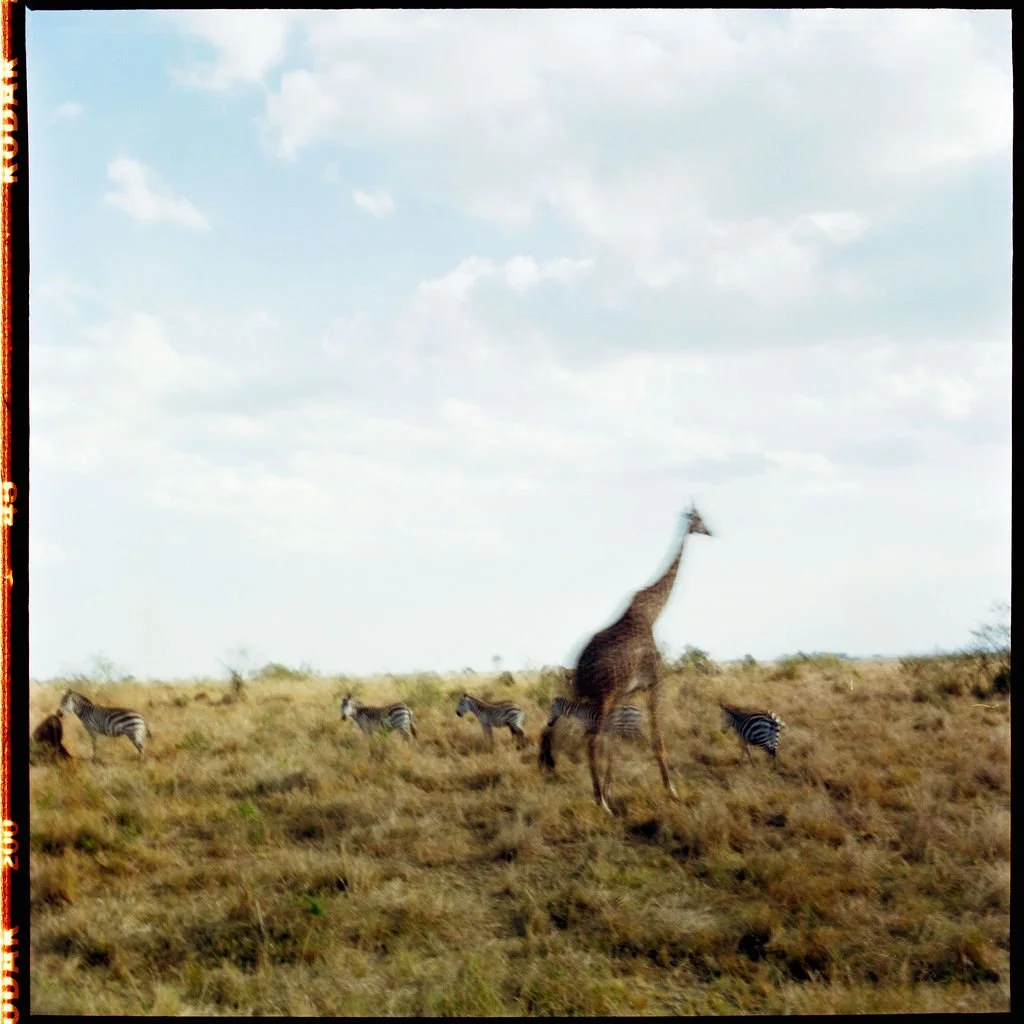
It is an idea that still resonates. Spending time watching an elephant family, or learning what a small bird needs to survive, gives you something more lasting than a photograph. It gives you a reason to care.
The Next Chapter
We wouldn’t wish to bring back every aspect of safari in 1946. A reliable vehicle and a hot shower have much to recommend them!
But there is plenty worth keeping: the resourcefulness of a good camp team, knowledge generously shared, and the pleasure of taking your time in a place that rewards curiosity.
Our partnership with Ker & Downey gives us a wealth of experience to draw on, alongside relationships with landowners, conservancies and communities that help make these journeys possible. We add our own ideas, our own hospitality and, of course, the people who come with us.
Eighty years on, there are still stories waiting to be brought home.
If you’re curious about life under canvas today, take a look at our private mobile camping safaris.
Or get in touch directly: safaris@everwildafrica.com